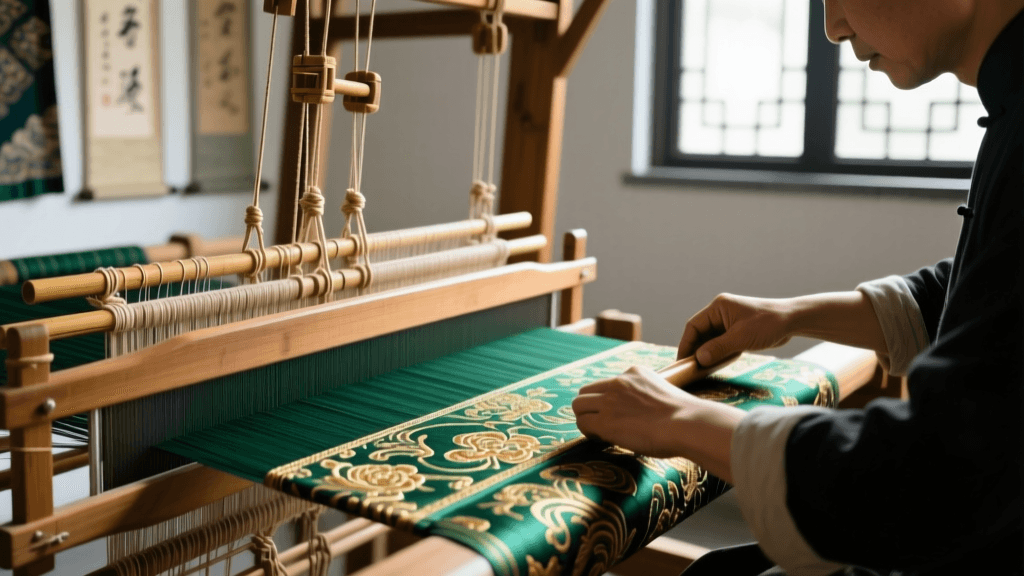
Top Wasai Kimono Tailoring Workshops 2026: Kyoto & Online
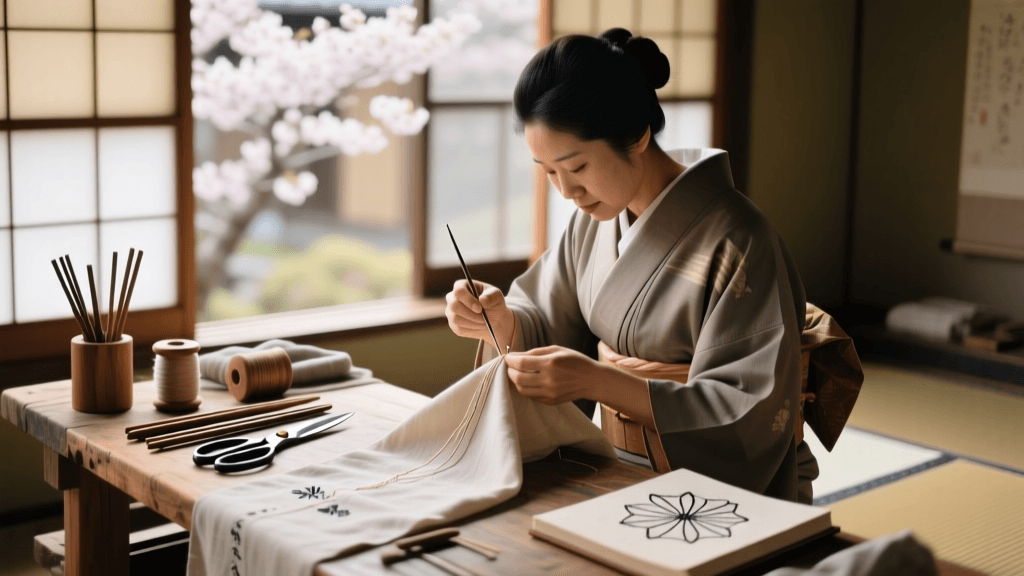
The Resurgence of Wasai: Traditional Kimono Tailoring in 2026
The art of wasai (和裁), or traditional Japanese garment tailoring, is experiencing a profound renaissance in 2026. As the global fashion industry grapples with the environmental impact of fast fashion, the zero-waste philosophy inherent in kimono construction has captured the attention of textile artists, sustainable designers, and cultural preservationists worldwide. Unlike Western tailoring (yosai), which relies on curved seams, complex darts, and permanent alterations to contour the body, wasai utilizes straight-line cutting and temporary basting. This ingenious approach ensures that every inch of the precious silk, hemp, or cotton textile can be unpicked, cleaned, and re-tailored for future generations.
For those seeking to master this meditative and highly technical craft, Kyoto remains the undisputed epicenter of learning. This comprehensive guide explores the premier wasai workshops and seminars available in 2026, equipping you with the knowledge to choose the right program for your skill level, whether you are traveling to Japan or studying from abroad.
The Philosophy of Zero-Waste Garment Construction
At the heart of wasai is a deep, intrinsic respect for the textile. The fabric is not merely a medium to be cut and discarded; it is a continuous, sacred canvas. When you enroll in a traditional kimono tailoring seminar, you are not just learning how to sew; you are learning the geometry of the loom. Standard kimono bolts (tanmono) are woven to a specific width, usually around 36 centimeters. The tailor must calculate the wearer's dimensions and map the garment panels—such as the migoro (body panels), sode (sleeves), and okumi (overlapping front panels)—without generating offcuts.
According to the UNESCO Intangible Cultural Heritage frameworks, traditional craftsmanship like wasai is vital for maintaining cultural diversity and fostering human creativity in an increasingly homogenized world. By learning these techniques, modern makers are actively participating in the preservation of intangible cultural assets.
Top In-Person Wasai Workshops in Kyoto (2026 Schedule)
The Comprehensive Yukata & Hitoe Masterclass (Nishijin District)
Running for six weeks during the spring and autumn semesters of 2026, this intensive seminar is designed for intermediate sewists who already possess a foundational understanding of hand-sewing. Students begin by constructing a yukata (unlined cotton summer kimono) to master the foundational straight seams and the shitsuke (basting) technique. The final three weeks are dedicated to the hitoe (unlined silk kimono), introducing the challenging kuke (blind stitching) required to hide all raw edges inside the garment, ensuring a flawless exterior drape.
Tuition for the 2026 intensive is approximately ¥180,000 (around $1,200 USD), excluding the cost of your personal tanmono bolt. Classes are conducted in Japanese, but real-time translation headsets and bilingual teaching assistants are now standard for international cohorts.
The Higashiyama Silk Basting & Tension Weekend
For international visitors who cannot commit to a month-long stay, this weekend intensive focuses entirely on fabric manipulation and tension control. Using harite (tension pins) and a kakudai (cutting board), students learn how to stretch and align slippery silk crepe (chirimen) before cutting. This seminar costs ¥45,000 and includes a premium silk starter kit, making it an excellent introduction to the physical demands of traditional Japanese sewing.
Hybrid and Online Wasai Seminars for Global Students
For those unable to travel to Japan, 2026 has seen a massive improvement in hybrid learning models, supported by cultural exchange grants from organizations like The Japan Foundation. The Global Wasai Online Academy offers a 12-week virtual seminar. Students receive a curated tanmono bolt shipped internationally, and weekly live-streamed sessions from Kyoto-based masters provide real-time feedback via multi-angle studio cameras. This program is ideal for sustainable fashion designers looking to integrate zero-waste pattern drafting into their contemporary collections.
2026 Workshop Comparison Chart
| Program Type | Duration | Estimated Cost (USD) | Skill Level | Materials Included? |
|---|---|---|---|---|
| Nishijin Masterclass | 6 Weeks | $1,200 | Intermediate | No (Bring own Tanmono) |
| Higashiyama Weekend | 2 Days | $300 | Beginner | Yes (Silk Starter Kit) |
| Hybrid Online Academy | 12 Weeks | $850 | All Levels | Yes (Shipped Globally) |
The 2026 Wasai Toolkit: What You Need to Buy
Before attending any seminar, you must familiarize yourself with the traditional tools of the trade. While Western sewing relies on chalk, pins, and heavy shears, wasai requires a specialized kit designed to protect delicate fibers.
- Shaku (Bamboo Ruler): Unlike standard tape measures, the shaku is a rigid bamboo ruler used to measure and fold fabric with absolute precision. In 2026, modern artisans often use laser-etched bamboo rulers for enhanced visibility, costing around $40 USD.
- Hera (Marking Spatula): A smooth, ox-bone or bamboo spatula used to mark fabric by creasing it, completely eliminating the need for ink or chalk that could stain antique silks. A high-quality artisan hera costs approximately $25 USD.
- Kote (Traditional Iron): The kote is a specialized iron used to press seams flat without stretching the bias. The latest 2026 models feature digital temperature controls and wireless heating bases, allowing tailors to move freely around the kakudai without tripping over cords. Expect to invest around $150 USD for a professional-grade digital kote.
- Kakehari (Tension Pin): A large, needle-like pin attached to a weighted cord, used to anchor the fabric to the cutting board and maintain tension while sewing long, straight seams.
Cultural Etiquette and Studio Expectations
Studying in a traditional Kyoto atelier requires adherence to strict cultural etiquette. The studio is considered a sacred space of focus and preservation. Before handling any silk, students must wash their hands and ensure their nails are filed smooth to prevent snagging. Eating, drinking (except for sealed water bottles), and loud conversations are strictly prohibited near the cutting boards.
Furthermore, the concept of mottainai (a sense of regret concerning waste) is deeply embedded in the curriculum. Dropping a spool of silk thread or mishandling a bolt of fabric is not just a financial mistake; it is viewed as a disrespect to the weavers, dyers, and farmers who brought the materials into existence. For the latest information on traveling to Japan for cultural study, including updated tourist visa waivers and cultural activity permits, always consult the Japan National Tourism Organization before booking your flights.
Final Thoughts on Preserving Intangible Heritage
Learning wasai in 2026 is about much more than acquiring a new sewing skill; it is an act of cultural preservation and a rebellion against disposable fashion. Whether you choose the immersive, six-week masterclass in the historic Nishijin weaving district or opt for a hybrid online seminar, the techniques you learn will fundamentally change how you view textiles, geometry, and sustainability. By mastering the straight line, you are helping to ensure that the elegant, zero-waste silhouette of the kimono continues to inspire generations of makers to come.