2026 Wafuku Guide: Styling Haori and Hakama for Modern Streetwear
The Renaissance of Wafuku in 2026 Global Fashion
As the global fashion industry navigates the stringent sustainability mandates and circular economy directives of 2026, discerning style enthusiasts are increasingly turning away from fast fashion and toward heritage garments. At the forefront of this sartorial shift is Wafuku, the umbrella term for traditional Japanese clothing. Unlike Western clothing (Yofuku), which is tailored to the three-dimensional curves of the body, Wafuku is constructed from flat, geometric panels of fabric. This architectural approach not only minimizes textile waste during production but also allows the garments to be easily disassembled, cleaned, and re-tailored, making them inherently sustainable. According to the Victoria and Albert Museum's extensive archives on Japanese dress, the structural geometry of these garments represents a masterclass in zero-waste design. In 2026, integrating pieces like the Haori and Hakama into contemporary streetwear is no longer a niche subculture; it is a mainstream expression of mindful, artisanal luxury.
Deconstructing the Haori: The Ultimate Layering Piece
The Haori is a traditional Japanese hip- or thigh-length jacket worn over a kimono. Historically, it served as a protective outer layer against the elements and a canvas for displaying family crests (kamon) or subtle aesthetic preferences through the hidden lining (uragawa). In the context of 2026 streetwear, the Haori has emerged as the ultimate transitional layering piece, replacing the ubiquitous denim jacket or bomber.
Fabric Choices and Textile Heritage
When sourcing a Haori for modern wear, the textile dictates the drape and formality. For a rugged, everyday streetwear look, vintage Oshima Tsumugi is highly coveted. This mud-dyed silk features a matte finish and a subtle, intricate kasuri (splash) pattern that pairs exceptionally well with modern organic cotton and raw denim. For those seeking a more fluid, avant-garde silhouette, Haori crafted from modern Tencel-silk blends offer a beautiful drape while adhering to 2026 eco-conscious manufacturing standards. Techniques like Yuki-tsumugi, recognized by UNESCO's Intangible Cultural Heritage registry, continue to produce some of the most durable and breathable silk textiles in the world, ensuring these garments can be passed down through generations.
Styling the Haori for the Modern Wardrobe
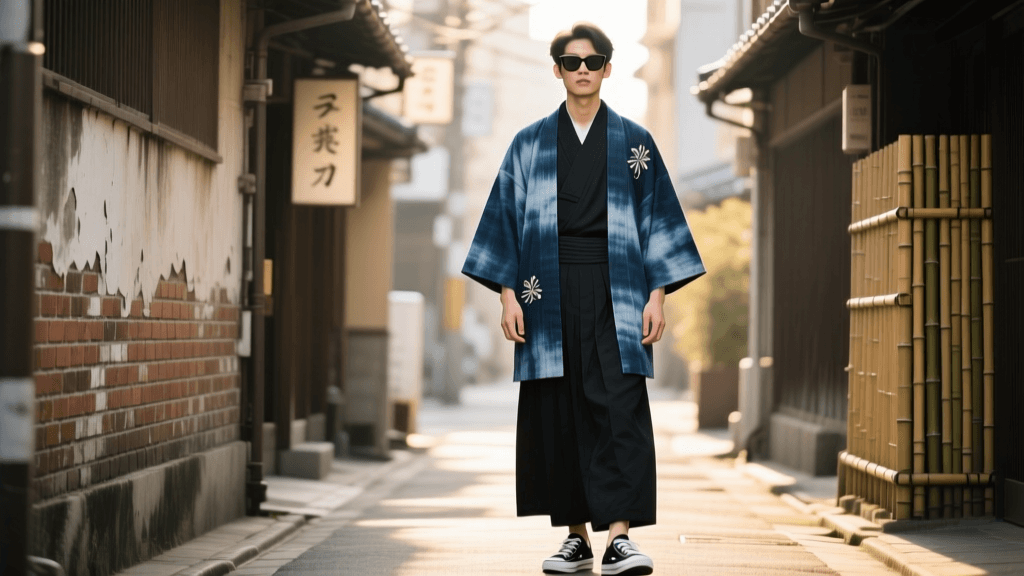
The key to styling a Haori in 2026 lies in playing with proportions and juxtaposing traditional craftsmanship with minimalist contemporary basics. Because the Haori features a straight, boxy cut with wide, open sleeves, it requires a streamlined base to prevent the outfit from looking overwhelming. Pair a mid-thigh length Haori with a fitted, ribbed merino wool turtleneck and high-waisted, wide-leg pleated trousers. Leave the Haori open to showcase the inner layers; the traditional Haori-himo (woven front cords) can be tied in a simple knot or removed entirely for a cleaner, more modern neckline. This combination creates a striking silhouette that honors the garment's history while functioning perfectly in a modern urban environment.
Hakama: From Martial Arts to High-Street Silhouettes
The Hakama is a traditional Japanese lower garment characterized by its deep, structured pleats and flowing silhouette. Originally worn by samurai and nobility to conceal footwork and denote status, the Hakama is deeply embedded in Japanese culture. As documented by The Metropolitan Museum of Art's Heilbrunn Timeline of Art History, the evolution of the Hakama reflects broader shifts in Japanese society, from the battlefields of the Sengoku period to the academic halls of the Meiji era. Today, the Hakama's dramatic volume makes it a favorite among avant-garde designers and streetwear aficionados alike.
Understanding the Silhouette: Umanori vs. Andon
There are two primary types of Hakama: Umanori (divided, resembling wide-leg trousers) and Andon (undivided, resembling a long pleated skirt). For 2026 streetwear applications, the Umanori Hakama is generally preferred due to its practicality and mobility. The traditional Umanori features five pleats in the front and two in the back, symbolizing the seven virtues of the samurai. Modern adaptations often utilize stiff, sustainable hemp-cotton blends that hold the pleat structure beautifully without the delicate care required by pure silk.
Contemporary Proportions and Pairings
Styling the Hakama requires a careful balance of volume. Since the lower half of the body is enveloped in significant fabric, the upper body should be relatively tailored or intentionally cropped. A popular 2026 styling technique involves pairing a striped Sendai-hira Hakama with a cropped, structured jacket—such as a modern interpretation of a Noragi (field worker's jacket) or a minimalist leather moto jacket. The waistband (koshiita) of the Hakama, traditionally a stiff backboard, is often softened in contemporary reproductions to allow for comfortable seating in modern environments. Secure the Hakama with a simple, modern leather belt threaded through the traditional ties, blending Edo-period utility with modern hardware.
2026 Wafuku Styling Matrix
To help visualize how these traditional garments can be integrated into your daily rotation, refer to the styling matrix below. This guide accounts for current 2026 weather patterns and urban lifestyle demands.
| Garment | Traditional Context | 2026 Streetwear Application | Recommended Footwear |
|---|---|---|---|
| Oshima Tsumugi Haori | Casual outerwear for merchants and townspeople | Layered over a heavyweight cotton hoodie and relaxed-fit selvedge denim | Chunky suede desert boots or minimalist leather sneakers |
| Umanori Hakama (Hemp Blend) | Formal wear for samurai and martial artists | Paired with a fitted turtleneck and a cropped technical bomber jacket | Modern Tabi boots or thick-soled derby shoes |
| Meisen Silk Haori | Everyday wear for women in the Taisho and Showa eras | Worn open over a slip dress or wide-leg linen trousers for summer evenings | Strappy leather sandals or woven espadrilles |
| Obi (Repurposed) | Sash used to secure the kimono | Wrapped over oversized blazers as a statement belt, or used as a luxury bag strap | N/A (Accessory) |
Footwear and Accessories: Completing the 2026 Look
No Wafuku integration is complete without addressing footwear. The traditional Tabi sock, characterized by its split-toe design, has been fully embraced by global footwear brands in 2026. Modern Tabi boots, crafted from sustainable vegan leathers and recycled rubber soles, provide the perfect anchor for the wide hems of the Hakama. For warmer months, contemporary interpretations of the Zori and Geta sandals are being produced with ergonomic, memory-foam footbeds and weather-resistant synthetic straps, allowing for all-day comfort during urban commutes.
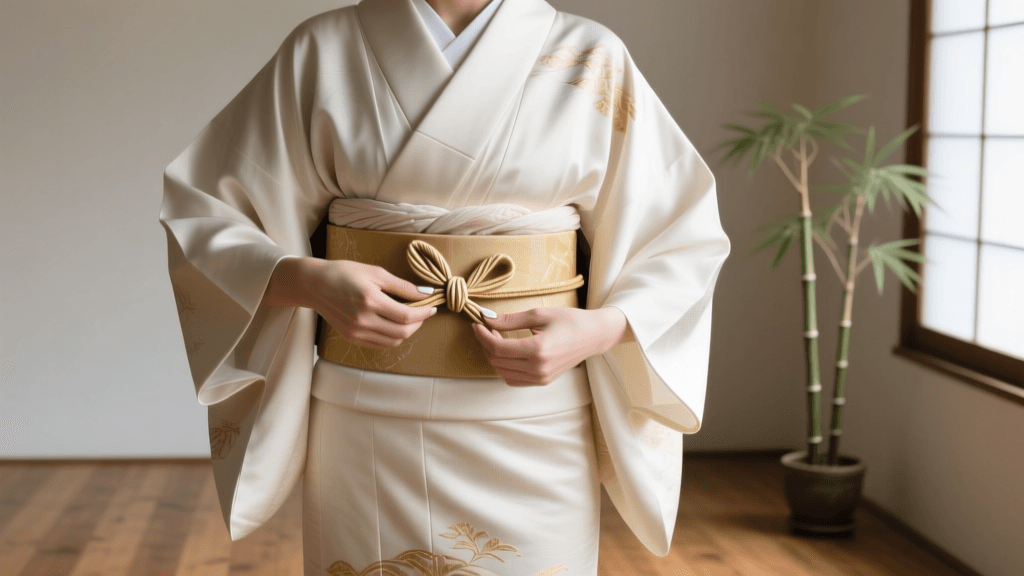
Accessories also play a crucial role. The traditional kinchaku (drawstring pouch) is being replaced by modern crossbody bags crafted from upcycled kimono silk. Furthermore, vintage Obi belts are increasingly being repurposed by 2026 designers as striking, wide sashes worn over oversized tailoring, bridging the gap between traditional Japanese textile art and contemporary European silhouette design.
Sourcing and Caring for Heritage Garments
As the demand for authentic Wafuku grows in 2026, so does the importance of ethical sourcing. While fast-fashion retailers may offer mass-produced 'kimono-style' jackets, true enthusiasts seek out vintage markets in Tokyo, such as the famous Oedo Antique Market, or commission pieces directly from artisans in Kyoto and Kanazawa. When purchasing vintage, always inspect the seams for signs of 'tatami-mushi' (carpet beetles) and ensure the silk has not suffered from dry rot. Prices for a high-quality vintage Haori typically range from $120 to $450, while a newly commissioned, artisan-woven Hakama can easily exceed $1,500.
Caring for Wafuku requires a departure from modern laundry habits. Traditional silk garments should never be machine washed. Instead, rely on 'kage-boshi' (shade drying) after airing them out, and use professional cleaners who specialize in heritage textiles. When storing your Haori and Hakama, avoid wire hangers, which will distort the shoulder seams. Instead, fold the garments along their original geometric seam lines using the traditional 'tatami' folding method, and store them flat in breathable cotton covers with natural camphor wood blocks to deter pests.
Conclusion
The integration of Wafuku into modern streetwear is a testament to the timelessness of Japanese design. By embracing the Haori and Hakama in 2026, we are not merely adopting a trend; we are participating in the preservation of centuries-old textile traditions and championing a more sustainable, thoughtful approach to fashion. Whether you are draping a vintage silk Haori over a minimalist turtleneck or stepping out in the dramatic pleats of a hemp Hakama, you are wearing a piece of history, reimagined for the future.