Authentic Ukrainian Vyshyvanka Patterns & Sourcing Guide for 2026
The Living Heritage of the Vyshyvanka in 2026
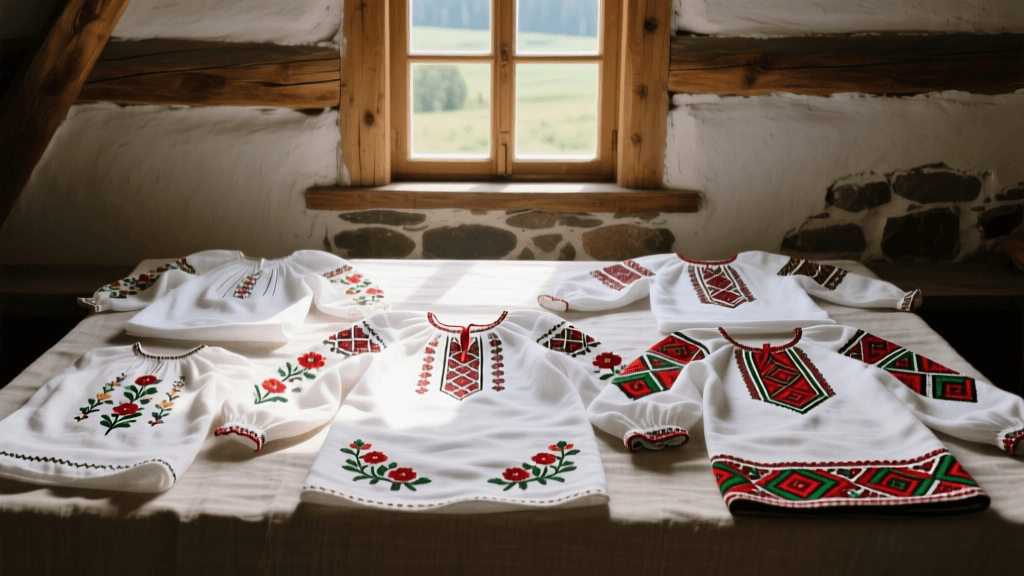
The Ukrainian vyshyvanka is far more than a simple garment; it is a woven manuscript of Eastern European history, identity, and spiritual protection. As we navigate the global fashion and cultural heritage landscape of 2026, the demand for authentic, hand-loomed, and meticulously embroidered Slavic folk dress has reached unprecedented heights. Collectors, cultural enthusiasts, and descendants of the diaspora are increasingly rejecting mass-produced, factory-printed imitations in favor of genuine artisan craftsmanship. According to cultural heritage advocates at The Ukrainian Museum, the preservation of traditional textile techniques has become a vital form of cultural resilience. This comprehensive guide explores the distinct regional embroidery patterns of Ukraine, providing you with the knowledge to identify, source, and care for authentic pieces in today's market.
Decoding Regional Embroidery Patterns
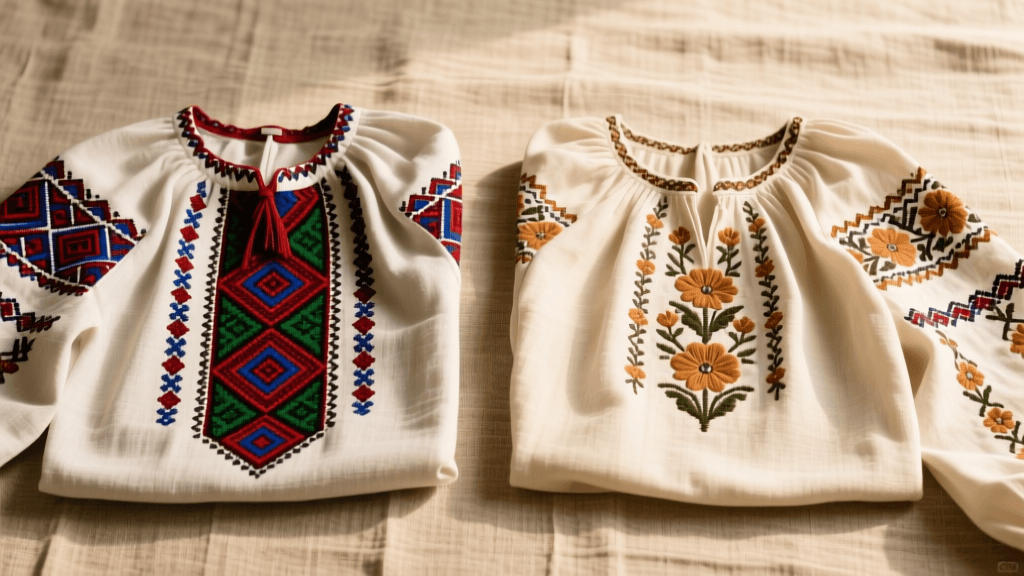
Ukraine's vast geographical and historical landscape has given rise to dozens of distinct embroidery styles. Historically, a person's village of origin could be identified simply by the stitch, color palette, and motif of their shirt. In 2026, master artisans continue to preserve these hyper-local traditions, making it essential for buyers to understand the visual language of the major regions.
Poltava: The Elegance of White-on-White
The Poltava region, located in central Ukraine, is world-renowned for its bila po bilomu (white-on-white) embroidery. This technique relies on texture and light rather than contrasting colors. Artisans use complex cutwork (lyshva), satin stitch, and hemstitching to create intricate geometric and floral patterns that cast subtle shadows on the natural linen. In 2026, a genuine hand-stitched Poltava shirt is considered the pinnacle of artisanal luxury, often requiring over 300 hours of meticulous labor to complete the collar, cuffs, and central chest panel.
Hutsulshchyna: Vibrant Geometrics of the Carpathians
High in the Carpathian Mountains, the Hutsul people developed a bold, vibrant style that contrasts sharply with the understated elegance of the central plains. Hutsul embroidery is characterized by dense geometric patterns, primarily executed in cross-stitch and a unique reverse-side technique called nyzynka. The color palette is striking, utilizing deep oranges, bright yellows, forest greens, and stark blacks. The motifs often feature stylized trees of life, eight-pointed stars, and rhombuses, reflecting the rugged, mystical environment of the highlands.
Bukovina: Metallic Threads and Nature Motifs
Bordering Romania, the Bukovina region showcases a folk dress tradition heavily influenced by cross-cultural exchange and historical wealth. Bukovinian vyshyvankas are famous for their lavish use of metallic gold and silver threads, glass beads, and silk. The motifs lean heavily toward nature, featuring curling vines, oak leaves, grapes, and elaborate floral wreaths. The incorporation of heavy beadwork along the cuffs and collar makes these garments exceptionally heavy and opulent, often worn during major festivals and weddings.
Volyn: Dense Red and Black Symbolism
In the northwestern region of Volyn, the embroidery tradition is deeply rooted in ancient agrarian symbolism. The dominant colors are deep red and black, woven into dense, repeating geometric bands. The red represents life energy, blood, and love, while the black symbolizes the fertile earth and ancestral protection. The stitches are typically tight and uniform, creating a durable, almost armor-like textile over the shoulders and chest, designed to protect the wearer from spiritual harm.
The Symbolism of Color and Geometry
Understanding the semiotics of Eastern European folk dress is crucial for authentic appreciation. As documented by researchers at the Encyclopedia of Ukraine, every element of the vyshyvanka carries specific meaning. The rhombus, often divided into four smaller squares with dots inside, represents a sown field and is a powerful symbol of fertility and prosperity. The circle symbolizes the sun, eternity, and the cyclical nature of life. Crosses, particularly the equal-armed Greek cross, serve as ancient solar symbols and protective wards against malevolent forces. When commissioning a piece in 2026, many buyers request specific motifs to align with their personal intentions, such as a wedding shirt featuring heavy fertility symbols or a graduation gift adorned with the tree of life.
Comparative Guide to Regional Vyshyvanka Styles
To help you navigate the market, the following table summarizes the key characteristics and current 2026 market expectations for the major regional styles.
| Region | Primary Colors | Key Motifs & Stitches | Fabric Base | Avg. 2026 Commission Cost (USD) |
|---|---|---|---|---|
| Poltava | White on White | Cutwork, Satin Stitch, Hemstitch | Handwoven Linen | $800 - $1,500+ |
| Hutsulshchyna | Orange, Yellow, Green, Black | Cross-stitch, Nyzynka, Geometrics | Heavy Linen or Hemp | $450 - $900 |
| Bukovina | Multi-color, Gold, Silver | Beadwork, Metallic Thread, Florals | Finer Linen or Cotton | $600 - $1,200 |
| Volyn | Deep Red and Black | Dense Geometrics, Agrarian Stars | Mid-weight Linen | $350 - $700 |
How to Identify Authentic Hand-Stitched Garments
With the rise of advanced computerized embroidery machines, the market in 2026 is flooded with high-quality replicas that can easily deceive the untrained eye. To ensure you are investing in an authentic, hand-stitched heirloom, you must perform a few critical inspections:
- The Reverse Side Test: This is the most reliable indicator of handwork. Turn the garment inside out. Machine embroidery requires a continuous bobbin thread, resulting in a messy, chaotic web of loose threads and jump-stitch cuts on the back. Hand embroidery, particularly techniques like cross-stitch and nyzynka, will look nearly as neat and structured on the reverse side as it does on the front.
- Thread Composition: Authentic artisans use natural fibers. Look for the subtle, matte luster of mercerized cotton, pure silk, or traditional wool. Synthetic polyester threads will exhibit a harsh, plastic-like shine and lack the historical accuracy required for genuine folk dress.
- Fabric Weave and Imperfections: True handwoven linen (polotno) features slight irregularities in the weave, known as slubs. Factory-made batiste or synthetic blends will appear uniformly perfect and lack the structural weight necessary to support heavy embroidery without puckering.
- Tension and Puckering: Hand-stitched garments are worked on a hoop or frame, but natural linen still reacts to the tension of the thread. A slight, organic puckering along the embroidered bands is a hallmark of human hands adjusting to the fabric's natural give, whereas machine embroidery often pulls the fabric unnaturally tight and flat.
Sourcing and Commissioning in 2026
The landscape for sourcing Eastern European folk dress has evolved significantly. While platforms like Etsy host many verified artisans, the most reliable method in 2026 is to connect directly with artisan cooperatives based in Lviv, Kyiv, and the Carpathian foothills. Organizations such as the Lviv Folk Art Cooperative and independent master embroiderers on Instagram offer direct commission services. When commissioning, expect a lead time of three to six months, as master artisans often maintain waiting lists due to the painstaking nature of their work.
Pricing in 2026 reflects the true cost of skilled labor and premium materials. A machine-embroidered shirt using synthetic fabrics can be purchased for $50 to $120, but these hold no cultural or heirloom value. For a genuine, hand-stitched vyshyvanka on hand-loomed linen, buyers should budget between $400 and $1,500, depending on the complexity of the cutwork and the reputation of the artisan. Always request a video consultation to see the artisan's current works in progress and verify their technique.
Caring for Heirloom Linens
Proper care is essential to preserve these textiles for future generations. Never machine wash a hand-embroidered vyshyvanka. Instead, soak the garment in cool water with a mild, pH-neutral detergent designed for delicate natural fibers. Avoid wringing or twisting the fabric, as this can distort the embroidery and break the linen threads. Gently press out excess water and lay the shirt flat on a clean, dry towel to air dry away from direct sunlight, which can fade natural dyes. When ironing, always press the garment on the reverse side over a thick, padded cloth to prevent crushing the three-dimensional texture of the stitches. Store your heirloom pieces wrapped in acid-free tissue paper inside a breathable cotton bag, ensuring they remain protected from moisture and pests while maintaining their structural integrity for decades to come.