2026 Fashion Media: Styling Modern Hanbok & Cheongsam
The 2026 Editorial Shift: From Costume to Couture
In the landscape of 2026 global fashion media, the representation of Asian traditional garments has undergone a profound and necessary evolution. No longer confined to tokenistic Lunar New Year features or stylized costume spreads, traditional dress from East and Southeast Asia is now a foundational pillar of high-fashion editorial storytelling. Leading publications like Vogue and Harper's Bazaar are actively collaborating with Asian heritage designers to present the Hanbok and the Cheongsam (Qipao) not as relics of the past, but as dynamic, living textiles that inform the future of luxury power-dressing and avant-garde streetwear.
For the modern wardrobe curator, translating these high-concept editorial looks into wearable, everyday luxury requires an understanding of both traditional construction and contemporary styling techniques. This guide breaks down the 2026 media trends surrounding the Korean Hanbok and the Chinese Cheongsam, offering actionable advice on sourcing, styling, and maintaining these exquisite garments for the modern global citizen.
The Modern Hanbok: Structural Elegance in Vogue
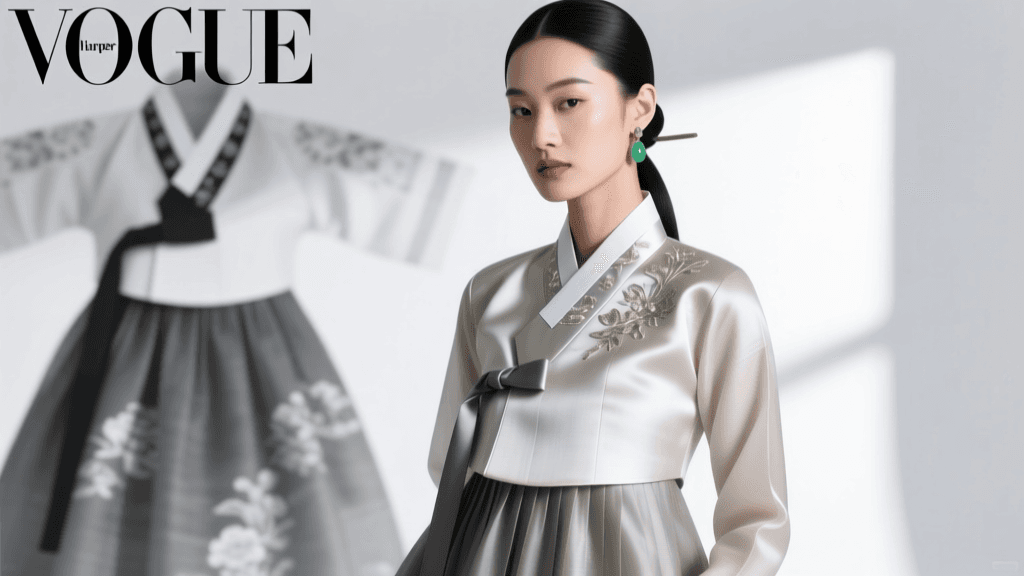
The "New Hanbok" (Saehwa Hanbok) movement, which has been steadily gaining momentum over the last decade, reached a new zenith in 2026. Following the highly publicized Seoul Fashion Week Spring/Summer 2026 shows, Vogue Italia and Vogue Korea released a joint editorial spread focusing on the architectural volume of the Hanbok. Global fashion editors are currently captivated by the juxtaposition of the traditional chima (wrap skirt) and jeogori (cropped jacket) against stark, minimalist Western tailoring.
Designers like Tchai Kim and Danha have reimagined the Hanbok using matte silk crepes and structured organza, moving away from the overly shiny, synthetic satins that historically plagued mass-market tourist versions. In 2026 editorials, the jeogori is frequently styled over tailored, wide-leg wool trousers, completely bypassing the traditional skirt for a commanding, gender-fluid power suit aesthetic. The goreum (the long front tie) is often elongated and left to trail, mimicking the dramatic sashes seen on Parisian runways.
Actionable Styling Rules for the 2026 Hanbok
- The Cropped Proportion: When sourcing a modern jeogori for everyday wear, look for a hemline that hits exactly at the natural waist or just above the navel (typically 16 to 18 inches in length). This prevents the garment from looking like a historical costume and allows it to pair seamlessly with high-waisted modern denim or tailored trousers.
- The Goreum Knot: Abandon the stiff, perfectly symmetrical bows of ceremonial wear. The 2026 media trend favors a loose, single-loop knot with one tail draped over the shoulder, creating an effortless, asymmetrical silhouette.
- Footwear Pairing: Editorial stylists are currently pairing structural Hanbok skirts with chunky, lug-sole leather boots or pointed-toe mules. Avoid traditional kkotsin (embroidered shoes) unless you are attending a highly specific heritage event, as they can inadvertently push the outfit into costume territory in a Western urban context.
The Deconstructed Cheongsam: Fluidity in Harper's Bazaar
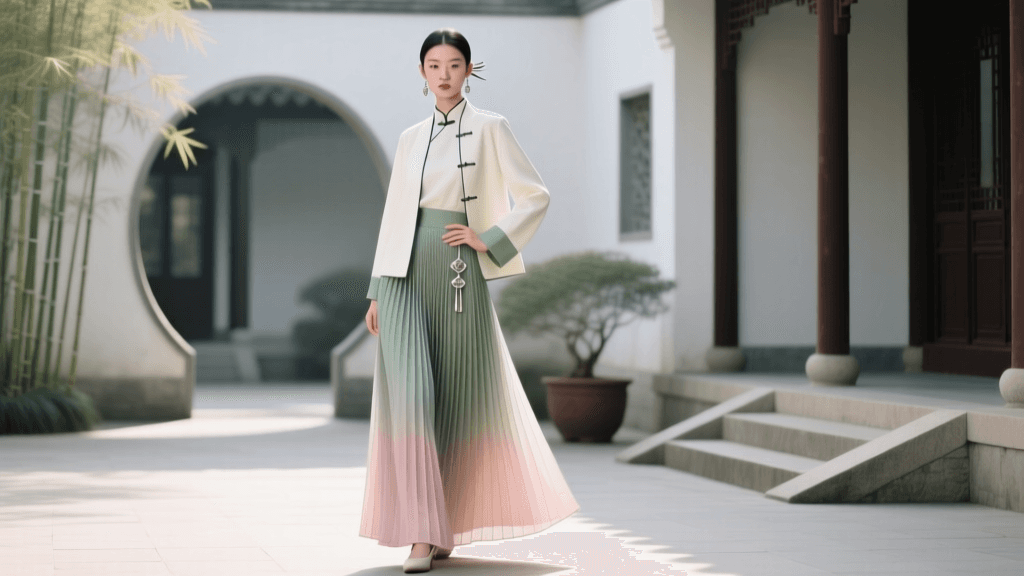
The Cheongsam (or Qipao) has long been a staple of global fashion media, though historically it was often reduced to a rigid, form-fitting stereotype popularized by mid-20th-century cinema. In 2026, Harper's Bazaar China shattered this paradigm with their "East Meets Avant-Garde" spring spread. The editorial showcased deconstructed, fluid silk Qipaos that prioritize movement, drape, and comfort over restriction.
Contemporary designers such as Ms MIN, Shiatzy Chen, and Samuel Gui Yang are leading this charge. The 2026 Cheongsam features softened, lowered mandarin collars (or omits them entirely in favor of subtle V-necklines disguised by traditional panyu frog closures). The silhouette is notably more relaxed, utilizing bias-cut sustainable peace silk that skims the body rather than constricting it. Furthermore, the side slits—a hallmark of the garment—have been reimagined. Instead of starting high on the thigh, modern editorial slits begin at the knee, often featuring layered, sheer organza underlays that provide modesty while maintaining dramatic movement.
Actionable Styling Rules for the 2026 Cheongsam
- The Slit Placement: For a sophisticated, everyday-appropriate Cheongsam, ensure the side slits begin no higher than 20 inches from the hemline. This allows for a graceful stride without the risk of overexposure, making it suitable for high-end professional environments.
- Layering for Climate and Style: The 2026 editorial look heavily features the Cheongsam as a layering piece. Wear a sleeveless, knee-length Qipao over a sheer, high-neck silk turtleneck, or layer it under an oversized, structured menswear blazer.
- Hardware and Closures: Seek out garments that use hand-knotted silk frog closures rather than hidden metal zippers. The tactile, visible craftsmanship of the panyu is a major focal point in current macro-photography fashion editorials.
Editorial vs. Reality: 2026 Styling & Cost Comparison
Translating runway and editorial concepts into a functional wardrobe requires balancing avant-garde aesthetics with practical budgets. Below is a comparison of how global media styles these garments versus how they are adapted for everyday luxury in 2026.
| Garment Element | 2026 Editorial / Runway Look | Everyday Reality Adaptation | Est. 2026 Cost (USD) |
|---|---|---|---|
| Hanbok Jeogori | Sheer organza, exaggerated shoulders, floor-length trailing ties. | Matte silk blend, structured but soft shoulders, waist-length ties. | $250 - $450 |
| Hanbok Chima | Massive volumetric tulle, requiring structural petticoats. | Pleated matte crepe, A-line cut, built-in lightweight lining. | $300 - $600 |
| Cheongsam Silhouette | Asymmetrical hemlines, extreme side-slits, sheer paneling. | Midi-length bias cut, knee-level slits, opaque sustainable silk. | $800 - $1,500 |
| Cheongsam Collar | Exaggerated 3-inch stiffened mandarin collar with metal hardware. | Soft 1.5-inch folded collar, traditional silk knot closures. | Included in base |
Sourcing Authentic, Media-Ready Pieces in 2026
The democratization of global fashion e-commerce means that acquiring authentic, designer-led traditional garments is easier than ever, provided you know where to look. In 2026, the most reliable platforms for sourcing editorial-quality Hanbok and Cheongsam include the dedicated Asian luxury sections of Farfetch and SSENSE, as well as direct-to-consumer portals from Seoul and Shanghai-based ateliers.
When shopping, scrutinize the fabric composition. The hallmark of a high-end 2026 traditional garment is the use of natural, breathable fibers. Look for 100% mulberry silk, silk-cupro blends, and organic ramie. Avoid polyester brocades, which not only trap heat but also reflect light in a harsh, artificial manner that ruins photography and looks cheap in person. For bespoke measurements, many Shanghai-based Qipao ateliers now offer virtual 3D body scanning consultations, ensuring a flawless fit without the need for international travel.
Care and Maintenance for Modern Traditional Textiles
The modern iterations of these garments utilize delicate weaves that require specialized care to maintain their structural integrity and color vibrancy.
- Cleaning: Never machine wash silk organza or bias-cut peace silk. Professional dry cleaning is mandatory, but you must specify "gentle, low-heat hydrocarbon solvents" to prevent the dissolution of traditional starch stiffeners used in collars and cuffs.
- Storage: Do not hang heavy, beaded Cheongsams on wire or thin wooden hangers, as the weight of the embellishments will distort the shoulder seams over time. Use padded, velvet-covered hangers. Hanbok skirts should be folded along their natural pleat lines and stored in breathable cotton garment bags to prevent permanent creasing.
- Steaming vs. Ironing: Always use a vertical garment steamer on a low-heat setting. Direct contact with a traditional iron, even with a pressing cloth, can flatten the three-dimensional texture of silk brocades and leave irreversible shine marks on dark matte silks.
Navigating Cultural Appreciation in Global Media
As traditional Asian garments become more prominent in global fashion media, the conversation surrounding cultural appreciation versus appropriation remains critical. The 2026 editorial landscape is heavily focused on crediting heritage artisans and understanding the historical weight of specific motifs. For instance, utilizing the Hansan Mosi weaving techniques recognized by UNESCO requires an understanding of the regional Korean history tied to the textile, rather than treating it merely as a trendy summer fabric.
Fashion consumers and stylists are encouraged to utilize resources like the Fashion and Race Database to educate themselves on the origins of the garments they wear. True appreciation in 2026 means supporting Asian-owned heritage brands, understanding the symbolic meaning of embroidered motifs (such as the peony for wealth or the crane for longevity), and rejecting fast-fashion knockoffs that strip these garments of their cultural soul. By engaging with the historical archives of institutions like the V&A, wearers can contextualize their fashion choices, ensuring that the integration of the Hanbok and Cheongsam into global wardrobes is done with profound respect, deep knowledge, and an eye for authentic luxury.