Vintage Silk Kimono Restoration & Archival Care 2026
Preserving Asian Heritage: The 2026 Standard for Garment Care
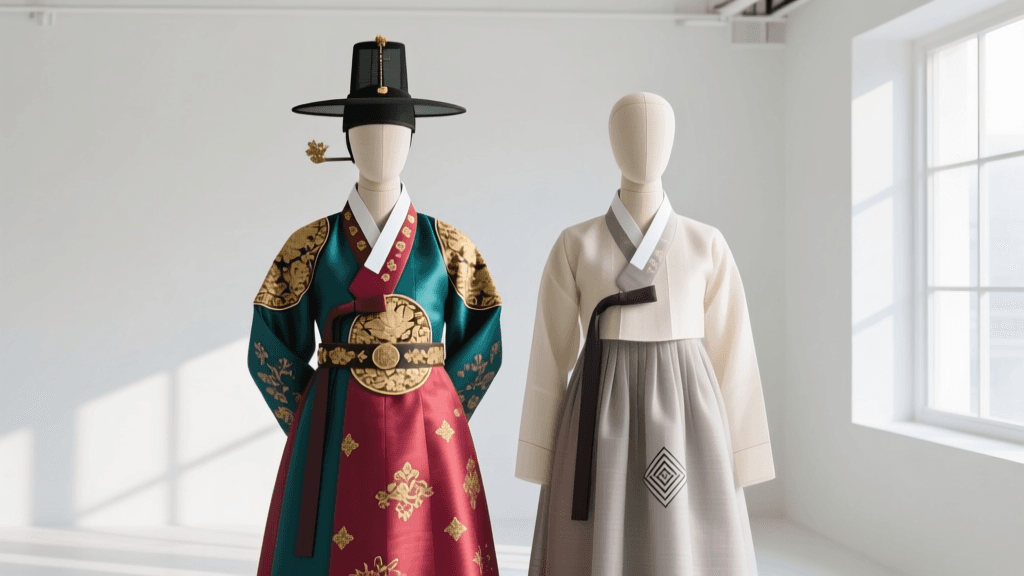
Asian heritage garments, particularly the Japanese kimono and the Korean hanbok, are far more than mere clothing; they are woven histories, capturing centuries of artisanal dyeing, weaving, and cultural evolution. As we navigate the unique environmental challenges of 2026, preserving these delicate silk, ramie, and hemp textiles requires a meticulous blend of traditional wisdom and modern conservation science. Whether you are a private collector, a museum curator, or a family member tasked with safeguarding an ancestral piece, understanding the current best practices for Asian garment care, preservation, and restoration is essential to preventing irreversible damage.
In recent years, global climate fluctuations have made indoor humidity control more unpredictable than ever. Consequently, the conservation community has updated its guidelines for textile storage and handling. This comprehensive guide explores the latest 2026 protocols for storing, cleaning, and restoring vintage silk kimonos and hanboks, ensuring these masterpieces survive for future generations.
The Science of Silk and Ramie Degradation
To properly care for traditional Asian garments, one must first understand the materials from which they are constructed. The vast majority of formal kimonos and high-status hanboks are crafted from silk, a natural protein fiber composed primarily of fibroin and sericin. Unlike plant-based cellulose fibers (such as cotton or linen), protein fibers are highly sensitive to alkaline substances, extreme heat, and prolonged exposure to ultraviolet (UV) light.
When vintage silk is exposed to poor environmental conditions, the amino acid chains within the fibroin begin to break down. This manifests as 'silk shattering'—a devastating condition where the fabric becomes brittle, splits along fold lines, and eventually crumbles into dust. Similarly, the metallic threads used in Korean hanbok embroidery and Japanese Nishijin-ori brocades are prone to tarnishing and oxidation when exposed to high humidity and airborne pollutants. Ramie (mosi), a bast fiber often used in summer hanboks, is more resilient to biological pests but is notoriously susceptible to severe, permanent creasing if stored improperly.
Archival Storage Standards for 2026
The way you store your garments dictates their lifespan. In 2026, the consensus among textile conservators is a strict departure from the use of standard plastics, cedar chests, and wire hangers. According to the Canadian Conservation Institute, textiles must be stored in environments that allow for micro-climatic stability while protecting them from dust, light, and pests.
Unbuffered Acid-Free Tissue and Muslin
When folding a vintage kimono, it is imperative to pad the folds to prevent sharp creases that will eventually lead to fiber breakage. Use unbuffered, acid-free tissue paper. Buffered tissue contains an alkaline reserve (usually calcium carbonate) designed to neutralize acids in plant-based fibers, but this alkalinity can actively degrade protein fibers like silk over time. After padding the folds, wrap the garment in washed, unbleached cotton muslin. Muslin acts as a breathable barrier against dust and light while allowing the textile to acclimate to gradual humidity shifts.
Traditional Tansu vs. Modern Archival Boxes
In Japan, the traditional kiri-tansu (paulownia wood chest) has been the gold standard for kimono storage for centuries. Paulownia wood is naturally lightweight, resistant to insects, and possesses unique hygroscopic properties—it swells to seal out moisture when humidity is high, and shrinks to allow ventilation when the air is dry. If you own a genuine, unfinished kiri-tansu, it remains an excellent storage choice in 2026. However, avoid antique chests finished with synthetic varnishes or camphor oil, as off-gassing can stain and degrade silk. For those without access to traditional tansu, museum-grade corrugated polypropylene boxes (such as Coroplast) lined with unbuffered tissue are the modern archival standard.
Environmental Controls in a Changing Climate
Maintaining a stable microclimate is the most critical factor in textile preservation. In 2026, with extreme weather events causing sudden spikes in ambient humidity, relying solely on central HVAC systems is often insufficient for private collectors.
- Relative Humidity (RH): Maintain a strict RH between 45% and 55%. Fluctuations greater than 10% within a 24-hour period can cause fibers to expand and contract, leading to structural fatigue.
- Temperature: Keep the storage area cool, ideally between 60°F and 68°F (15°C - 20°C). Lower temperatures slow the rate of chemical degradation in silk dyes.
- Light Exposure: Store garments in total darkness. When displaying, limit light exposure to 50 lux or less, and ensure all light sources are UV-filtered.
- Pest Management: Avoid chemical mothballs (naphthalene or paradichlorobenzene), which are highly toxic to humans and can melt synthetic threads or react with metallic dyes. Instead, use integrated pest management (IPM) strategies, including pheromone traps and regular freezing protocols for new acquisitions.
Stain Triage: Safe Spot-Cleaning Techniques
Discovering a stain on a vintage silk kimono or hanbok can induce panic, but aggressive cleaning is often more damaging than the stain itself. Traditional Yuzen-dyed silks and hand-painted motifs are exceptionally water-sensitive; even a drop of distilled water can cause the dyes to bleed or 'ring'.
If you encounter a fresh, water-soluble stain, the safest DIY approach is to use a micro-spatula and a minimal amount of distilled water to gently lift the residue, blotting immediately with an absorbent, unbleached cotton pad. For older, set stains, or oily spots from cosmetics and skin contact, do not attempt home washing. Commercial 'silk washes' often contain enzymes or optical brighteners that will strip historical dyes. According to the American Institute for Conservation (AIC) Textile Wiki, solvent-based cleaning should only be performed by trained professionals who can test the solubility of the specific dyes used in the garment's era.
Material Comparison Chart for Long-Term Storage
Choosing the right storage materials is vital. Below is a comparison of common storage solutions and their suitability for vintage Asian garments in 2026.
| Storage Material | Suitability for Silk/Hanbok | Pros | Cons |
|---|---|---|---|
| Paulownia Wood (Kiri-tansu) | Excellent | Natural humidity regulation, pest-resistant, traditional aesthetic. | Expensive, heavy, requires unfinished interior to prevent off-gassing. |
| Archival Coroplast Boxes | Excellent | Chemically inert, lightweight, customizable sizes, affordable. | Lacks natural humidity buffering, requires tissue padding. |
| Unbleached Cotton Muslin | Very Good | Breathable, washable, protects from dust and light. | Does not buffer against humidity or acidic environments. |
| Standard Plastic Bins | Poor | Readily available, keeps out water and pests. | Traps moisture (mold risk), off-gasses PVC/plasticizers that yellow silk. |
| Cedar Chests | Poor | Smells pleasant, deters some insects. | Cedar oils stain silk and cause severe fiber degradation over time. |
Displaying and Mounting Heritage Garments
Many collectors wish to display their kimonos and hanboks rather than keep them hidden in boxes. However, mounting textiles requires specialized hardware. Never use metal pins, staples, or standard wooden hangers, as these introduce rust, acids, and uneven weight distribution that will tear the fragile shoulder seams.
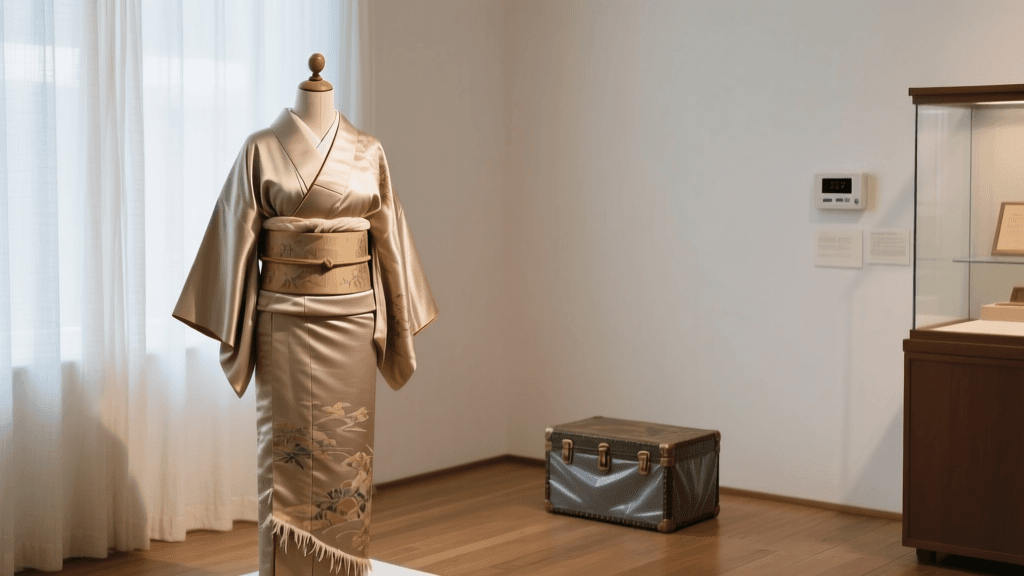
In 2026, the preferred method for displaying flat textiles is the use of magnetic mounting systems. Conservators use rare-earth magnets encased in inert polyethylene, paired with a metal backing board, to gently hold the garment in place without piercing the fabric. For three-dimensional displays, custom-carved archival foam mannequins padded with polyester batting and covered in washed muslin are used to support the garment's weight, mimicking the natural drape of the clothing without stressing the seams. If framing smaller pieces, such as hanbok collars or kimono sleeves, always use UV-filtering Optium Museum Acrylic, which provides anti-static and anti-reflective properties while blocking 99% of harmful UV rays.
When to Seek Professional Textile Conservation
There is a distinct line between 'garment care' and 'textile conservation.' While you can manage storage, environmental controls, and light dusting at home, structural repairs and stain removal require a professional. If your vintage kimono has shattered lining, detached metallic embroidery, or severe foxing (brown age spots), it is time to consult a certified conservator.
As of 2026, professional textile conservation is a highly specialized field. Expect to pay between $150 and $350 per hour for museum-quality restoration. A full stabilization of a shattered Meiji-era silk kimono can cost upwards of $2,500 to $4,000, depending on the complexity of the Yuzen dyes and the extent of the structural damage. Always seek out conservators who are accredited by recognized bodies, such as the American Institute for Conservation (AIC) or the Institute of Conservation (ICON) in the UK, and ensure they have specific, documented experience with Asian protein fibers and traditional resist-dyeing techniques.
Conclusion: A Legacy Preserved
The preservation of Asian traditional garments is an act of cultural stewardship. By adopting the 2026 standards for archival storage, climate control, and safe handling, you ensure that the artistry of the weavers, dyers, and embroiderers of the past remains vibrant and intact. Treat your vintage kimonos and hanboks not merely as antique clothing, but as the fragile, irreplaceable historical documents they truly are.