Hanfu Secondhand Market 2026: Vintage Collecting & Resale Guide
The Evolution of the Hanfu Secondhand Market in 2026
The Hanfu movement, which began as a niche cultural revival in the early 2000s, has now fully matured into a global fashion phenomenon. As we navigate 2026, the conversation around traditional Chinese garments has shifted significantly toward sustainability, circular fashion, and the thriving secondhand market. For collectors and enthusiasts, the secondary market offers a unique opportunity to acquire rare, discontinued, and historically significant pieces without contributing to the environmental footprint of fast-fashion manufacturing. Whether you are hunting for early 2010s pioneer brand replicas or museum-grade Ming dynasty revival pieces, understanding the nuances of Hanfu resale is essential.
In the past, buying secondhand Hanfu was largely confined to informal forum trades and niche social media groups. Today, in 2026, the resale ecosystem is highly structured. Platforms like Xianyu (Idle Fish) have dedicated, algorithm-driven categories for traditional garments, complete with AI-assisted authentication and condition grading. According to historical analyses of the Hanfu movement, the secondary market has grown exponentially as early adopters look to archive or liquidate their extensive collections to fund new, custom-tailored commissions. This circular economy has not only made high-end Hanfu more accessible but has also created a robust subculture of vintage textile collectors.
Defining Eras and Styles for the Modern Collector
When navigating the 2026 resale market, buyers typically categorize secondhand Hanfu into three distinct tiers. Understanding these tiers is crucial for accurate valuation and historical appreciation.
1. Historical Reproductions (Museum-Grade)
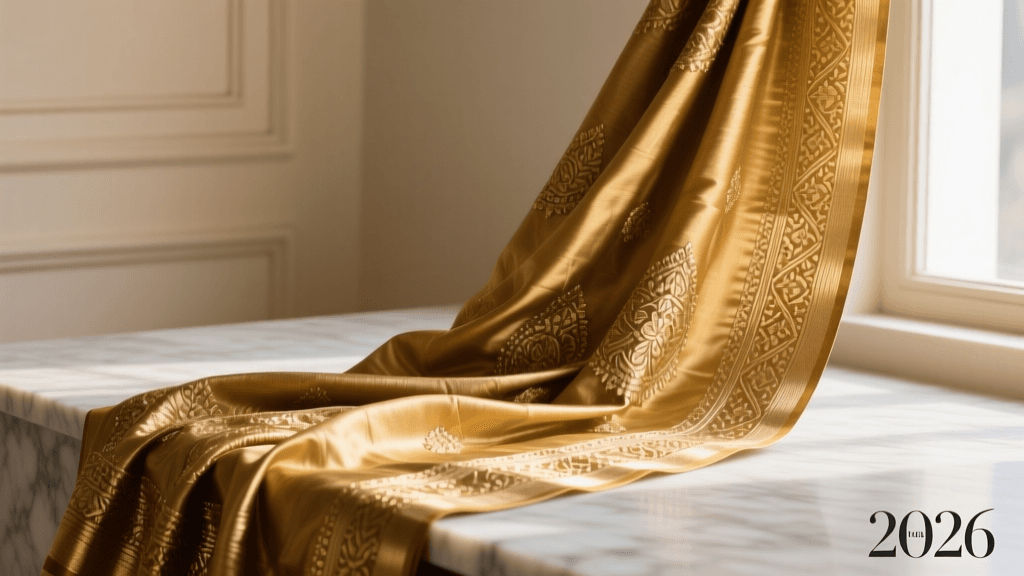
These are meticulously researched garments produced by elite artisan studios such as Ming Hua Tang or specialized independent weavers. They utilize period-accurate materials like genuine Kesi (silk tapestry) and Yunjin (cloud brocade). On the 2026 secondhand market, these pieces rarely depreciate. In fact, discontinued colorways or collaborative museum replicas often sell for 150% to 200% of their original retail price. Collectors view these as investment-grade textiles.
2. Early Revival Vintage (2008–2016)
The term "vintage" in the Hanfu community uniquely refers to the foundational years of the modern revival. Garments produced by pioneering brands like Chong Hui Han Tang and early iterations of Shisanyu are highly sought after. While their historical accuracy may not meet the rigorous standards of 2026, their cultural significance as artifacts of the movement's infancy makes them prized collector's items. These pieces are often archived rather than worn.
3. Contemporary Mass-Market Resale (2017–2025)
This tier encompasses the explosion of commercial Hanfu brands that brought traditional silhouettes to the mainstream. Pieces from brands like Zhongling, Hi Han, and Lan Ruo are abundant on the secondhand market. Because these were produced in large batches, their resale value is generally lower, often hovering between 40% and 70% of the original retail price, depending on condition and trend cycles.
The 2026 Hanfu Valuation Matrix
To help buyers and sellers determine fair market value, we have compiled a valuation matrix based on current 2026 resale trends. Prices for secondhand Hanfu fluctuate based on brand prestige, material composition, and historical accuracy. For a deeper understanding of the historical silhouettes that drive these valuations, collectors often refer to the Encyclopedia Britannica's guide to Chinese dress to verify period-accurate construction and terminology.
| Condition Grade | Brand / Maker Tier | Primary Material | Historical Accuracy | Est. 2026 Resale Value (USD) |
|---|---|---|---|---|
| Mint / With Tags | Elite Artisan (e.g., Ming Hua Tang) | 100% Mulberry Silk, Real Gold Thread | Museum-Grade | $800 - $2,500+ |
| Excellent (Worn once) | Mid-Tier Boutique | Silk Blend, Jacquard Weave | High Accuracy | $250 - $600 |
| Good (Minor wear) | Early Vintage Pioneer (2010-2015) | Cotton, Linen, Ramie | Moderate / Experimental | $150 - $400 (Collector Premium) |
| Fair (Visible use) | Mass-Market Commercial | Polyester, Chiffon | Low / Fantasy-Inspired | $30 - $80 |
Navigating Resale Platforms: Where to Buy and Sell
The digital landscape for buying and selling traditional Chinese garments has become highly specialized. In 2026, the most prominent platform remains Alibaba's Xianyu (Idle Fish). Xianyu has introduced a dedicated "Hanfu Yanhuo" (Authentication) service, where sellers can opt to send their garments to a centralized facility for fabric analysis and condition verification before the item is shipped to the buyer. This has drastically reduced the prevalence of counterfeit artisan pieces in the high-end market.
For international collectors outside of mainland China, platforms like Depop and Etsy have seen a surge in curated vintage Hanfu boutiques. These sellers often act as intermediaries, sourcing rare pieces from domestic Chinese forums and offering them to a global audience with English-language descriptions and international shipping logistics. Additionally, specialized Discord servers and Reddit communities dedicated to traditional Asian textiles have become vital hubs for peer-to-peer trading, offering a layer of community vetting that commercial platforms lack.
Authentication: Spotting Artisan Craftsmanship vs. Fast Fashion
As the resale market grows, so does the sophistication of counterfeit garments. In 2026, fast-fashion manufacturers have become adept at mimicking the visual aesthetics of high-end Hanfu, making authentication a critical skill for collectors. When evaluating a secondhand piece, the first step is to examine the weave structure. Genuine Song brocade or Zhuanghua silk will have a continuous, intricate pattern that is woven into the fabric itself, whereas mass-market knockoffs often rely on digital printing or cheap, stiff embroidery.
Furthermore, inspecting the internal construction is vital. Artisan makers utilize traditional flat-felling seams and hand-finished hems that allow the garment to drape naturally. Understanding the historical context of these textiles is invaluable; resources like the Metropolitan Museum of Art's Heilbrunn Timeline provide excellent visual references for historical textile patterns and weaving techniques, helping buyers distinguish between authentic revival craftsmanship and modern synthetic interpretations.
Archival Care and Preservation for Secondhand Hanfu
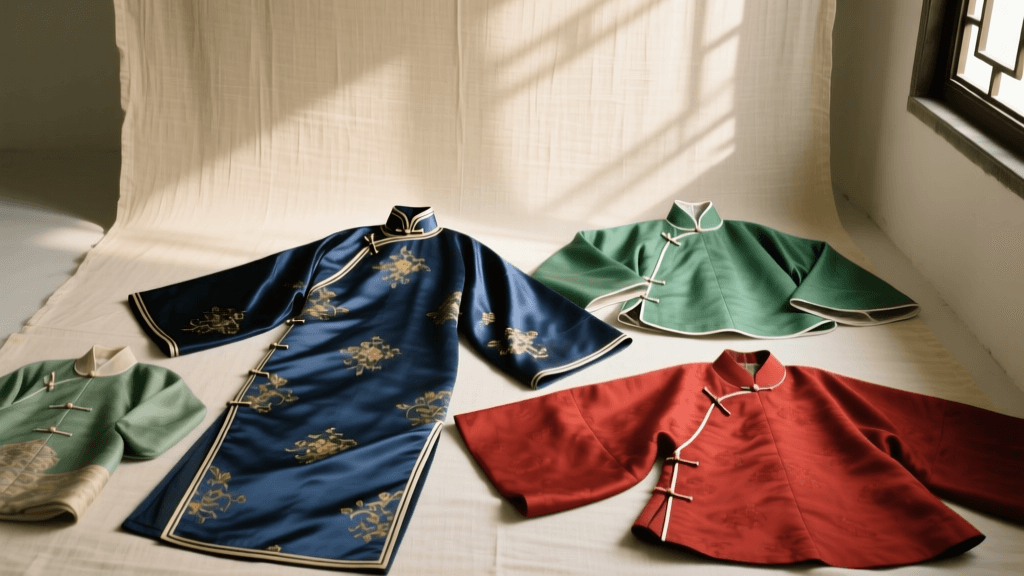
Acquiring a vintage or high-end secondhand Hanfu is only the first step; proper preservation is essential to maintain its value and structural integrity. Traditional silk and ramie fibers are highly susceptible to environmental damage. In 2026, the standard for Hanfu archival care involves storing garments flat in acid-free, unbuffered tissue paper to prevent crease degradation and fiber snapping.
Wire hangers or even standard wooden hangers can distort the shoulder seams of heavy Ming dynasty Ao (jackets) or cause stretching in delicate Song dynasty Beizi (cloaks). Instead, collectors use padded, archival-quality hangers or store the garments completely flat in cedar-lined drawers. It is crucial to avoid synthetic mothballs, which can chemically react with natural dyes and gold threads, causing irreversible discoloration. Instead, natural camphor wood blocks and dried lavender sachets are the preferred methods for pest deterrence. Finally, maintaining a stable environment with a relative humidity of around 50% and a temperature of 68°F (20°C) will ensure that these beautiful garments survive for future generations of collectors to appreciate.
Conclusion
The 2026 Hanfu secondhand market is a vibrant intersection of cultural preservation, sustainable fashion, and textile artistry. By understanding the nuances of valuation, mastering authentication techniques, and practicing meticulous archival care, collectors can actively participate in the ongoing legacy of traditional Chinese garments. Whether you are seeking a rare piece of revival history or a museum-grade silk masterpiece, the secondary market offers a sustainable and deeply rewarding pathway into the world of Hanfu.