The 2026 Guide to Vintage Hanfu Collecting and Resale Markets
The Evolution of the Hanfu Secondhand Market in 2026
As we navigate 2026, the global Hanfu movement has matured far beyond its early days of niche hobbyists and fast-fashion replicas. Today, the traditional Chinese garment market is defined by a thriving, highly sophisticated secondhand and vintage collecting ecosystem. Driven by a growing emphasis on sustainable fashion, circular economies, and a deep appreciation for artisanal craftsmanship, collectors and enthusiasts are increasingly turning to resale platforms to acquire rare, discontinued, and historically significant pieces. The 2026 resale landscape is no longer just about finding a bargain; it is about archiving cultural heritage, securing investment-grade textiles, and participating in a global community of dedicated preservationists.
According to recent market analyses, the secondhand market for traditional Asian garments has seen a year-over-year growth of over 34% since 2024. This surge is largely attributed to the rising costs of raw materials like authentic mulberry silk and the retirement of master weavers, making early-2010s and late-2020s artisanal pieces highly sought after. For the modern collector, understanding the nuances of this market is essential to building a valuable and authentic wardrobe.
Authentication: Distinguishing True Vintage from Modern Replicas
One of the most critical skills for a Hanfu collector in 2026 is the ability to differentiate between true vintage pieces, early movement prototypes, and modern mass-produced garments. The term "vintage" in the Hanfu community generally refers to garments produced during the first wave of the modern Hanfu revival (roughly 2003 to 2012) or theatrical and cinematic pieces from the 1980s and 1990s that utilized traditional flat-cutting techniques.
Key Authentication Markers
- Seam Construction: Authentic traditional Hanfu relies on flat-cutting and minimal seaming. Look for the absence of modern darts, princess seams, or serged edges. Early revivalist pieces often feature hand-finished interiors or traditional seam allowances that modern factory-made replicas lack.
- Fabric Composition: True vintage and high-end artisanal pieces utilize natural fibers. Conduct a careful visual and tactile inspection for the irregularities of hand-woven silk, Xiangyunsha (gambiered Canton gauze), or Song brocade. Modern replicas frequently blend polyester to reduce costs, which can be identified by its synthetic sheen and lack of breathable drape.
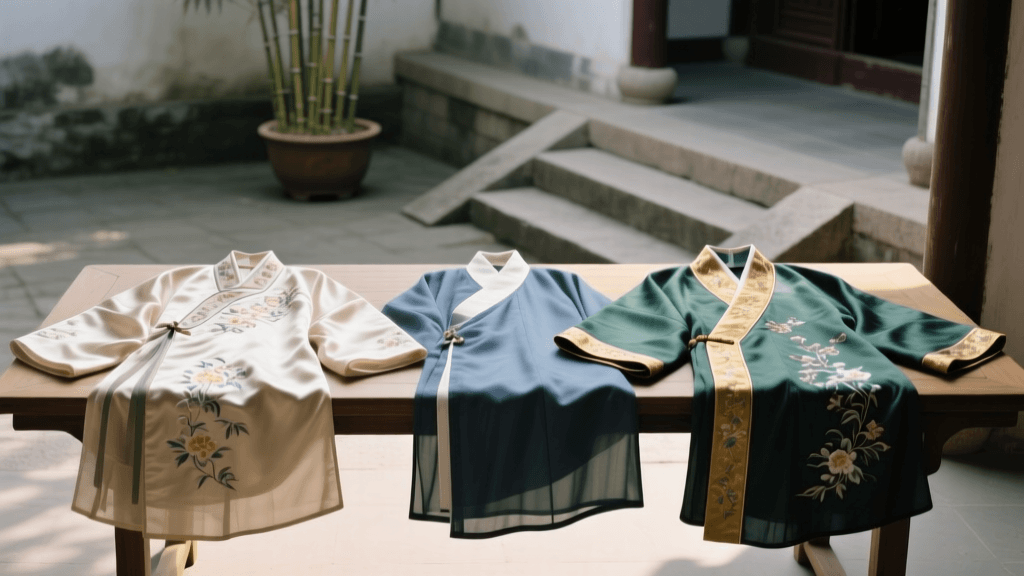
- Hardware and Embellishments: Vintage pieces often feature hand-knotted frog buttons (pankou) made from the same fabric as the garment. Mass-produced 2026 replicas often use glued or machine-stiffened knots that lack the structural integrity of traditional craftsmanship.
For those studying the historical context of these textiles, the Victoria and Albert Museum's Asian collections offer an invaluable digital archive of traditional Chinese dress, providing a baseline for comparing historical silhouettes and textile patterns against modern market offerings.
Top Platforms for Hanfu Resale and Collecting
The digital infrastructure supporting the Hanfu resale market has become highly specialized. While general marketplaces still exist, dedicated platforms with built-in authentication services have become the standard for serious collectors in 2026. Below is a comparison of the primary platforms utilized by the global Hanfu community.
| Platform | Best For | Authentication Level | Typical Fees (2026) |
|---|---|---|---|
| Xianyu (Idle Fish) | Domestic Chinese market, rare brand drops, early prototypes | High (AI + Expert verification for premium tiers) | 0% - 6% (Tiered) |
| Xiaohongshu (RED) | Community-driven sales, styling archives, direct creator sales | Medium (Community moderation, peer review) | 2% - 5% |
| Etsy | International buyers, vintage theatrical pieces, upcycled accessories | Low (Buyer beware, relies on seller reputation) | 6.5% + listing fees |
| Specialized Hanfu Forums | Hardcore collectors, trading rare Xiangyunsha and Ming-style pieces | Very High (Moderator vetting, community blacklists) | Free (Membership required) |
Valuation Metrics: What Drives Prices in 2026?
The valuation of secondhand Hanfu is influenced by a complex matrix of brand prestige, material rarity, and historical significance within the revival movement. In 2026, the market has clearly delineated between "used clothing" and "collectible textiles."
The Brand Hierarchy
Pieces from heritage revival brands such as Minghuatang, Shanyu, and Zhongling command premium prices on the secondary market. A discontinued Minghuatang Mamianqun (horse-face skirt) woven with genuine peacock feather threads or real gold foil can easily fetch three to five times its original retail price. Conversely, unbranded or fast-fashion Hanfu from the early 2020s suffers from severe depreciation, often selling for a fraction of its original cost due to market saturation and inferior material degradation.
Material Rarity
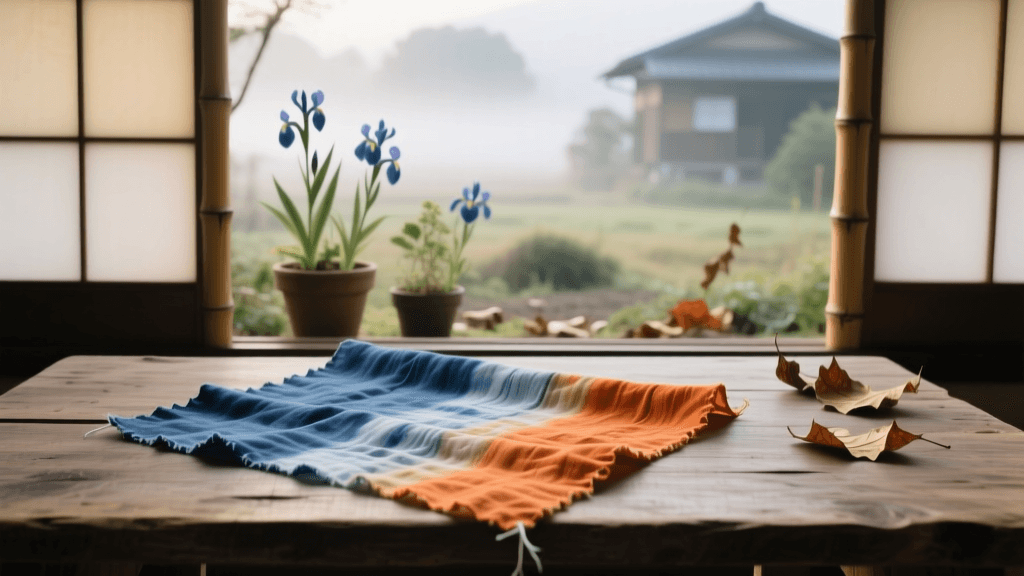
Garments crafted from Xiangyunsha—a silk dyeing technique recognized for its complex, mud-based processing—hold their value exceptionally well. Because the production of authentic Xiangyunsha is heavily dependent on specific climatic conditions in Guangdong and is protected as an intangible cultural heritage, vintage pieces in good condition are treated as investment assets. For more information on the cultural protection of these traditional sericulture and weaving techniques, collectors frequently reference the UNESCO Intangible Cultural Heritage registry.
Navigating AI-Generated Fake Listings
A unique challenge that has emerged in the 2026 secondhand market is the proliferation of AI-generated listing photos. Unscrupulous sellers use generative AI to create hyper-realistic images of rare Hanfu pieces that do not actually exist, or to digitally alter the condition of a damaged garment. To protect your investments, collectors must adopt rigorous verification protocols:
- Demand Video Verification: Always request a time-stamped video of the garment in natural light. AI struggles to accurately replicate the complex light refraction of traditional silk brocades in motion.
- Inspect the Weave: Zoom in on the provided photos. AI-generated textiles often feature repeating, nonsensical patterns or "melting" motifs when examined at the pixel level. Traditional jacquard weaving has distinct, mathematically consistent warp and weft floats.
- Cross-Reference Production Batches: Use community-maintained databases on Xiaohongshu to verify the exact production year, batch number, and original packaging of the item in question.
Preservation and Archival Care for Vintage Hanfu
Acquiring a vintage Hanfu piece is only the first step; preserving it for future generations requires meticulous care. Traditional Chinese garments, particularly those made from protein-based fibers like silk, are highly susceptible to environmental damage, pests, and acidic degradation.
Storage Best Practices
Never store vintage silk Hanfu on wire or wooden hangers, as the weight of the fabric will distort the traditional flat-cut shoulders and cause permanent stretching. Instead, garments should be carefully folded using acid-free, unbuffered tissue paper to prevent hard creases. Store the folded pieces in breathable, unbleached cotton garment bags or archival-grade polyethylene boxes.
Climate and Pest Control
Maintain a stable environment with a relative humidity of 45-55% and a temperature around 65°F (18°C). Avoid the use of traditional camphor balls or chemical mothballs, which can cause yellowing and chemical burns on delicate silk dyes. Instead, utilize natural alternatives like dried lavender sachets or cedar blocks, ensuring they do not come into direct contact with the textile. For deep cleaning, never use commercial detergents; consult a textile conservator who specializes in Asian antiquities. The Metropolitan Museum of Art's Asian textile archives and conservation departments often publish guidelines that inform the best practices for private collectors handling historical silk garments.
Conclusion: The Future of Hanfu Collecting
The 2026 Hanfu secondhand market represents a fascinating intersection of fashion, history, and cultural preservation. As the movement continues to mature, the responsibility of the collector shifts from mere consumption to active stewardship of traditional Chinese sartorial heritage. By leveraging specialized platforms, mastering authentication techniques, and adhering to strict archival preservation standards, today's collectors are ensuring that the artistry of the Hanfu revival remains intact for centuries to come. Whether you are hunting for a rare Ming-style jacket or preserving a piece of early-2000s revival history, the secondary market offers an unparalleled gateway into the living history of Asian traditions.