Viking Smokkr Apron Dress Weaving & Sewing Guide 2026
The Resurgence of Viking Textile Arts in 2026
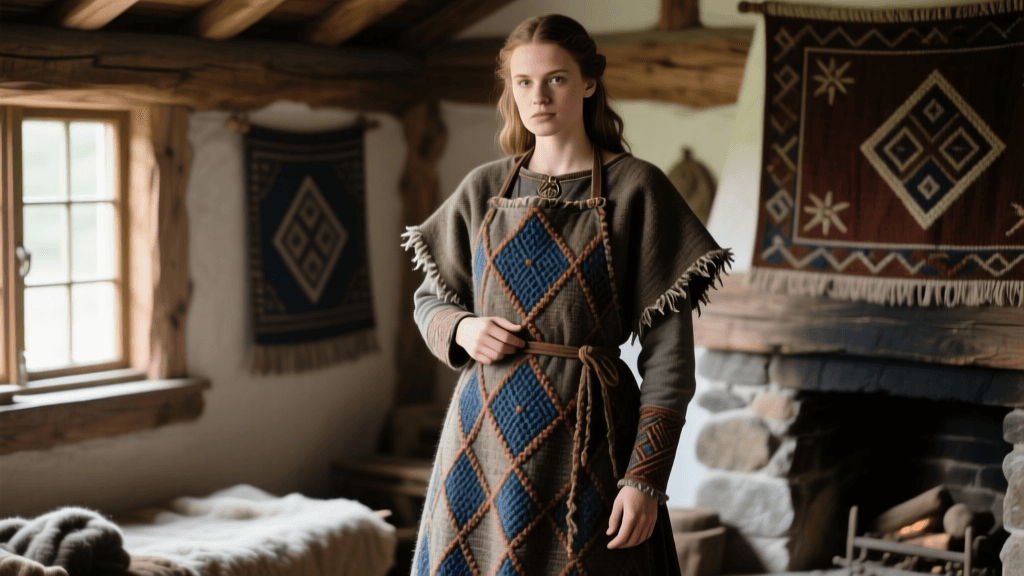
As we navigate the 2026 historical reenactment season, the demand for uncompromising authenticity in Norse garments has reached an all-time high. Gone are the days of inaccurate, mass-produced costume shop tunics. Today’s dedicated historical interpreters and textile artisans are turning to experimental archaeology to recreate the precise garments of the Viking Age. At the center of this revival is the smokkr, commonly known as the Viking apron dress. This iconic garment, worn by women across Scandinavia from the 8th to the 11th centuries, represents a masterclass in early medieval tailoring, weaving, and functional design.
According to the National Museum of Denmark, the Viking Age wardrobe was deeply tied to social status, regional identity, and the incredible skill of the weaver. Reconstructing a smokkr today requires an understanding of historical loom widths, natural dyeing techniques, and specific archaeological finds. This comprehensive guide will walk you through the process of sourcing, drafting, and sewing an authentic diamond twill smokkr for the modern era, adhering to the strict authenticity standards expected in 2026.
Archaeological Foundations: Understanding the Smokkr
The term smokkr is derived from Old Norse, and while its exact historical terminology is debated among linguists, the archaeological evidence for the garment is robust. The apron dress was typically worn over a linen or wool underdress (serk). It was a tubular or wrap-around garment held up by shoulder straps and fastened at the collarbones by a pair of oval "tortoise" brooches.
Key archaeological finds have shaped our modern understanding of the smokkr's construction:
- The Køstrup Find (Denmark): This 10th-century grave yielded fragments of a woolen tabby-weave apron dress featuring intricate tablet-woven bands and pleating at the top edge, suggesting a fitted, tailored bodice.
- The Hedeby Finds (Germany/Denmark border): Excavations in this major trading hub revealed fragments of finely woven diamond twill wool, heavily worn and repurposed, indicating that high-quality twill was a prized commodity.
- The Birka Finds (Sweden): Grave sites in Birka have provided evidence of linen underdresses paired with wool apron dresses, often adorned with imported silk samite and silver wire embroidery.
When planning your 2026 reconstruction, you must decide which regional and chronological variant you wish to emulate. A 10th-century Danish smokkr will look vastly different from a 9th-century Swedish one, particularly in the choice of weave and decorative trim.
Sourcing Authentic Diamond Twill Wool
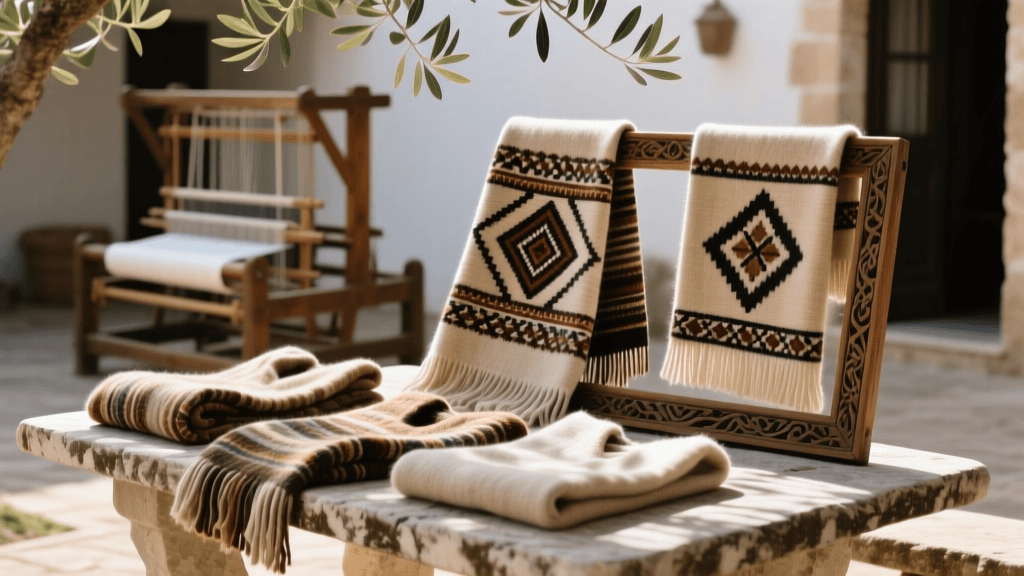
The most iconic textile associated with high-status Viking women’s dress is the diamond twill. This complex weave creates a beautiful, textured geometric pattern that catches the light and provides excellent insulation. In 2026, heritage mills in Scandinavia, the UK, and the Baltics have perfected the art of weaving historically accurate diamond twill using traditional breeds of sheep, such as the Norwegian Spælsau and the Swedish Gotland.
When sourcing fabric, you must pay attention to the thread count and the yarn preparation. Historical Viking textiles were woven from worsted yarn (smooth and tightly spun) for the warp, and sometimes a softer, woolen-spun yarn for the weft. Look for a fabric with a thread count of approximately 12 to 16 threads per centimeter in the warp, and 10 to 14 in the weft. This provides the perfect balance of drape and durability.
2026 Market Pricing: Authentic, handwoven or heritage-mill diamond twill wool typically costs between $85 and $140 per meter. While this is a significant investment, it ensures your garment meets the rigorous standards of top-tier reenactment groups. Avoid modern, commercially dyed "costume" wools, which often use synthetic mordants and vibrant aniline dyes that did not exist in the Viking Age.
Drafting the Pattern: Loom Widths and Measurements
One of the most common mistakes modern sewers make is applying 21st-century pattern drafting logic to Viking Age garments. Modern fabric bolts are typically 150 cm (60 inches) wide. However, Viking Age warp-weighted looms produced fabric that was generally between 50 cm and 65 cm (20 to 26 inches) wide. This loom width dictated the entire construction of the garment.
To achieve an authentic silhouette, you must construct your smokkr using narrow panels rather than cutting large, curved shapes from wide fabric. The Viking approach was highly geometric and zero-waste.
Step-by-Step Measurement Guide
- Bust Measurement: Measure around the fullest part of your bust. Add 10 cm (4 inches) for ease and movement.
- Skirt Length: Measure from your armpit down to your ankle bone. Historical garments were typically ankle-length to protect the legs from brush and cold.
- Panel Calculation: If your required circumference is 110 cm, and your historical fabric width is 55 cm, you will need two main rectangular panels for the front and back, plus two narrower side panels (gores) to allow for walking and sitting.
The top edge of the smokkr was often pleated or gathered slightly to fit the torso, as seen in the Køstrup find. You can achieve this by cutting the top panels slightly wider and using a sturdy linen thread to draw the fabric into tight, uniform pleats before binding the top edge with a strip of woven trim.
Historical Sewing Techniques and Stitches
Before the invention of the sewing machine, every stitch was placed by hand. To maintain authenticity, your 2026 reconstruction should be entirely hand-sewn using historically documented stitches. The Viking Ship Museum in Roskilde emphasizes that the tools and techniques used are just as important as the final visual product in experimental archaeology.
Use a high-quality, worsted wool thread or heavily waxed linen thread for your seams. Avoid modern cotton or polyester threads, as they lack the elasticity and historical accuracy required for wool garments.
Essential Viking Stitches
- Running Stitch: Used for basic seams. Keep your stitches small (about 3-4 mm) and even. For high-stress areas like the armholes or strap attachments, use a double row of running stitches.
- Whip Stitch: Ideal for joining two finished edges together, such as when attaching tablet-woven bands to the hem of the dress.
- Herringbone Stitch: The premier stitch for hemming and finishing raw edges. This stitch allows the wool to stretch and move without snapping the thread, making it perfect for the bottom hem of the smokkr.
- Backstitch: Reserved for areas requiring immense structural integrity, such as the loops that hold the tortoise brooches.
Material Comparison Chart for the Smokkr
Choosing the right weave is critical for both historical accuracy and practical comfort. Below is a comparison of the most common weaves used in Viking Age women's dress, updated with 2026 availability and market data.
| Weave Type | Historical Accuracy | Drape & Weight | Best Use Case | 2026 Avg. Price (per meter) |
|---|---|---|---|---|
| Diamond Twill | High (9th-10th Century) | Medium-Heavy, excellent drape | High-status outer smokkr | $90 - $140 |
| Wool Tabby | High (8th-11th Century) | Light-Medium, structured | Everyday smokkr, pleated tops | $50 - $80 |
| Herringbone Twill | Moderate (More common in later medieval) | Heavy, very warm | Winter cloaks, heavy skirts | $70 - $110 |
| 2/1 Broken Twill | High (Specific regional finds) | Medium, highly durable | Working-class garments | $60 - $90 |
Accessorizing: Turtle Brooches and Tablet Weaving
A smokkr is incomplete without its defining hardware and trims. The oval tortoise brooches (skjaldbroche) are not merely decorative; they are the structural anchors of the garment. In 2026, the market for historically accurate, sand-cast bronze brooches is thriving. Look for artisans who use traditional lost-wax casting or sand-casting methods based directly on Birka or Hedeby molds. The pins on these brooches must be made of spring-tempered bronze or iron to securely hold the thick layers of wool and linen.
To elevate the garment, incorporate tablet-woven bands. Tablet weaving (or card weaving) was the primary method for creating narrow, intricate bands used to trim the top edge of the smokkr, cover the shoulder straps, or act as belt loops. Using wool or silk yarn, you can weave geometric patterns, runes, or interlacing beast motifs. As noted by textile historians featured on HistoryExtra, the addition of imported silk or silver wire in tablet weaving was a definitive marker of elite status in the Viking Age.
Natural Dyeing: Achieving Historical Colors
If you are weaving or sourcing undyed wool, you will need to dye it using period-accurate botanical sources. The Viking palette was surprisingly vibrant, relying on careful mordanting with alum or iron.
- Woad (Blue): The most common blue dye in Northern Europe. Achieving a deep, colorfast woad blue requires a complex fermentation vat, a skill that many heritage dyers have revived in recent years.
- Madder (Red/Orange): Grown extensively in trade hubs, madder root produces a range of colors from pale peach to deep brick red, depending on the water temperature and mordant used.
- Weld and Tansy (Yellow): These plants provide bright, clear yellows that can be over-dyed with woad to create vibrant, authentic Viking greens.
Maintaining Your Wool Garments
Caring for a handwoven, naturally dyed wool smokkr requires abandoning modern laundry habits. Never machine wash or tumble dry your historical garments. The agitation and heat will cause the wool to full (shrink and felt), ruining the drape and the delicate diamond twill pattern.
Instead, rely on the Viking method of garment care: airing and brushing. Hang your smokkr outside in the fresh air and wind to naturally release odors. Use a soft-bristled clothes brush to gently remove dirt and dust from the surface of the twill. If the garment becomes heavily soiled, hand wash it in lukewarm water using a mild, lanolin-rich wool soap, and lay it flat on a mesh rack to dry in the shade. With proper care, your historically accurate smokkr will last for decades, serving as a testament to the enduring legacy of Norse textile arts.