Tsumugi Silk vs Ro Linen: 2026 Summer Kimono Fabric Guide
The Evolution of Summer Kimono Textiles in 2026
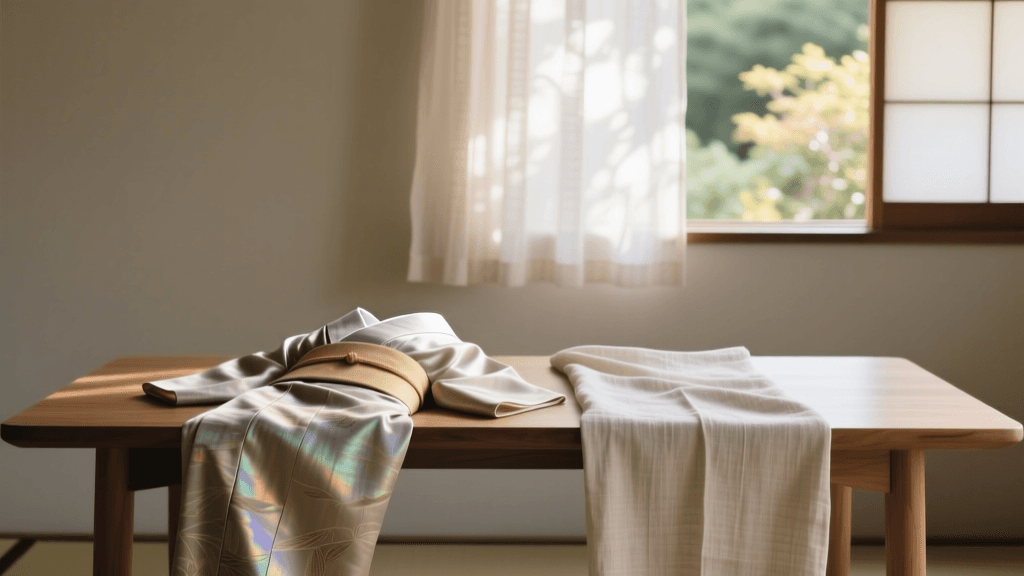
As we navigate the summer of 2026, shifting global climate patterns and increasingly humid months have prompted a renaissance in how enthusiasts and artisans approach traditional Japanese garments. The kimono, historically bound by strict seasonal rules regarding fabric and motif, is undergoing a practical yet deeply respectful evolution. Today, the choice of textile is no longer just about aesthetic formality; it is a vital consideration for comfort, breathability, and climate adaptation. Among the most celebrated and debated textiles for the sweltering months of June through August are Tsumugi silk and Ro linen-silk blends.
Understanding the structural and historical differences between these two fabrics is essential for any modern kimono wearer. While Tsumugi offers a rustic, textured elegance suitable for early and late summer, Ro weaves provide the ultimate sheer relief for the peak humidity of mid-summer. In this comprehensive 2026 guide, we will dissect the weaving techniques, styling applications, and maintenance requirements of these two cornerstone textiles, ensuring your traditional wardrobe remains both authentic and comfortable.
Understanding Tsumugi: The Rustic Elegance of Pongee Silk
Tsumugi, often translated as pongee silk, is a yarn-dyed fabric characterized by its distinctive nubby, slubbed texture. Unlike the smooth, lustrous surface of standard mulberry silk (such as chirimen or rinzu), Tsumugi is woven from silk threads that retain irregularities, often spun from the inner layers of the cocoon or utilizing wild silk varieties. The result is a fabric that is matte, lightweight, and exceptionally breathable.
The Heritage of Yuki and Oshima Tsumugi
When discussing Tsumugi in 2026, two regional variants dominate the luxury market: Yuki Tsumugi and Oshima Tsumugi. Yuki Tsumugi, produced primarily in Ibaraki Prefecture, is renowned for its intricate hand-tied kasuri (splash pattern) motifs and its ability to become softer and more comfortable with each wearing. According to historical records preserved by The Metropolitan Museum of Art, the appreciation for yarn-dyed, patterned silks like Tsumugi reflects a deep-seated Japanese aesthetic principle known as shibui—a subtle, unobtrusive beauty that reveals its complexity only upon close inspection.
Because Tsumugi is yarn-dyed, the patterns are woven directly into the fabric rather than painted or dyed onto the finished cloth. This makes the garment reversible and incredibly durable. For the modern wearer in 2026, a Tsumugi kimono represents a sustainable investment; these garments are designed to last generations, softening beautifully over time while maintaining their structural integrity.
The Art of Ro: Sheer Leno Weaves for Peak Humidity
While Tsumugi is prized for its texture, Ro is celebrated for its architectural weave structure. Ro is a type of leno weave where warp threads are twisted around each other in pairs, interlocking with the weft thread to create a stable, sheer fabric with distinct horizontal or vertical lines of open mesh. This open structure allows air to circulate freely against the skin, making it the undisputed champion of mid-summer kimono wear.
The Rise of Ro Linen Blends in 2026
Traditionally, Ro was woven exclusively from high-grade silk. However, the 2026 textile market has seen a massive surge in the popularity of Ro woven from linen, ramie (asa), and silk-linen blends. Linen possesses natural moisture-wicking properties and a crisp drape that silk alone cannot achieve. When woven in the Ro leno structure, linen becomes a miraculous fabric for high-humidity environments. It resists clinging to the skin, dries rapidly if caught in a sudden summer shower, and offers a cool, matte aesthetic that pairs beautifully with the vibrant, glass-like accessories popular in contemporary summer matsuri (festival) styling.
The Japanese Ministry of Economy, Trade and Industry (METI) continues to support and designate traditional weaving techniques, ensuring that even as modern fiber blends are introduced, the structural integrity and heritage of the Traditional Craft Products remain protected. This means that when you purchase a certified Ro weave today, you are guaranteed a specific standard of artisanal quality, whether it is pure silk or a masterfully blended linen variant.
2026 Textile Comparison: Tsumugi vs. Ro Linen
Choosing between Tsumugi and Ro linen depends heavily on the specific month, the formality of the event, and your personal comfort preferences. Below is a detailed comparison chart reflecting the 2026 market standards for these textiles.
| Feature | Tsumugi Silk (Pongee) | Ro Linen/Silk Blend (Leno Weave) |
|---|---|---|
| Best Worn | Early Summer (June) & Late Summer (Sept) | Peak Summer (July & August) |
| Weave Structure | Plain weave with slubbed, irregular yarns | Leno weave (twisted warps creating open mesh) |
| Weight | Medium (120-150 g/m²) | Lightweight (80-100 g/m²) |
| Breathability | High (due to matte, non-cling texture) | Exceptional (due to open mesh structure) |
| Formality Level | Casual to Semi-Formal (Komon, Tsumugi) | Casual to Semi-Formal (Yukata, Summer Komon) |
| Drape | Structured, molds to the body over time | Crisp, sheer, holds shape away from the skin |
| 2026 Avg. Price (USD) | $800 - $3,500+ (depending on kasuri complexity) | $300 - $1,200 (depending on blend and dye) |
Styling and Layering for the Modern Climate
The true test of a summer kimono lies not just in the outer garment, but in the layering system beneath it. In 2026, the traditional layering rules are being adapted for extreme heat without sacrificing the silhouette.
The Foundation: Juban and Hadajuban
When wearing a sheer Ro linen kimono, the undergarments (juban) will be visible. This is an opportunity for stylistic expression. A ro-juban (sheer under-kimono) in a contrasting color, such as a deep indigo beneath a pale grey Ro linen outer layer, creates a sophisticated depth known as kasane (layering colors). For Tsumugi, which is opaque, a standard cotton or hemp-blend hadajuban (undershirt) is sufficient to absorb perspiration and protect the valuable silk from body oils.
Obi and Accessory Pairings
Heavy, brocaded maru or fukuro obi are entirely inappropriate for summer wear, as they trap heat against the lower back. For Tsumugi, a woven nagoya obi made from hemp or lightweight cotton provides a rustic harmony that matches the pongee silk's aesthetic. For Ro linen, a sheer ra-obi or a brightly dyed cotton hanhaba obi is the standard for 2026 summer festivals. Accessories should also reflect the season: swap out tortoiseshell and heavy wood kanzashi (hairpins) for glass, lucite, or fan-shaped motifs that evoke a sense of coolness.
"The beauty of summer kimono styling in 2026 lies in the visual illusion of coolness. The sheer mesh of Ro linen and the matte, dry texture of Tsumugi trick the eye into feeling a breeze, even on the most stagnant of August afternoons."
Sourcing Authentic 2026 Weaves
As global interest in sustainable, artisanal fashion grows, the market has seen an influx of mass-produced, synthetic imitations marketed as 'summer kimono fabrics.' To ensure you are purchasing authentic Tsumugi or genuine Ro weaves, buyers must look for specific markers of quality.
Authentic Tsumugi will feature slight irregularities in the slubbed thread; if the fabric is perfectly uniform, it is likely a machine-made synthetic mimic. Furthermore, genuine yarn-dyed Tsumugi will show the pattern clearly on the reverse side of the fabric. When shopping for Ro linen, inspect the intersections of the warp and weft. A true leno weave will feature physically twisted warp threads locking the weft in place, preventing the mesh from shifting or fraying easily. Purchasing directly from certified traditional craft cooperatives in regions like Kiryu (Gunma Prefecture) or Miyakojima (Okinawa Prefecture) remains the most reliable method for acquiring genuine textiles in 2026.
Care and Maintenance of Summer Textiles
Summer garments endure the harshest conditions: high humidity, sudden rainstorms, and heavy perspiration. Proper care is non-negotiable to preserve these investment pieces.
- Airing Out: After wearing, never fold a Tsumugi or Ro kimono immediately. Hang it on a specialized kimono hanger (emonkake) in a shaded, well-ventilated room for at least 24 hours to allow moisture to evaporate.
- Spot Cleaning: For Ro linen, water spots can sometimes be blended by lightly misting the entire panel with distilled water and allowing it to dry flat. Tsumugi silk should never be exposed to water; take it to a professional arai-hari (traditional kimono cleaning) specialist if soiled.
- Storage: Store summer garments in breathable cotton wrappers (tatoushi). Never use plastic bags, as trapped humidity will cause mildew, particularly devastating to the natural proteins in Tsumugi silk and the cellulose in linen.
- Moth Prevention: While linen is naturally resistant to many pests, Tsumugi silk requires protection. Use natural camphor or cedar blocks in your storage drawers, avoiding direct contact with the fabric to prevent oil transfer.
Conclusion
The choice between Tsumugi silk and Ro linen in 2026 is a dialogue between texture and structure, between the rustic heritage of yarn-dyed pongee and the architectural brilliance of the leno weave. By understanding the unique properties, seasonal appropriateness, and care requirements of these textiles, modern wearers can honor the deep traditions of Japanese garment-making while comfortably navigating the realities of contemporary summers. Whether you are attending a quiet tea ceremony in early June or a vibrant fireworks festival in August, selecting the right fabric ensures that the kimono remains a living, breathing, and deeply relevant art form.