Top Japanese Fashion Blogs Tracking Wafuku Trends 2026
The Evolution of Japanese Fashion Journalism in 2026
The landscape of Japanese fashion journalism has undergone a radical transformation by 2026. While legacy print publications once dominated the discourse surrounding traditional garments, the digital ecosystem now drives the narrative. For enthusiasts of wafuku (traditional Japanese clothing), this shift is a monumental advantage. Online magazines, independent journalism blogs, and digital street-style archives now provide real-time insights into how heritage textiles like Nishijin-ori silk and Yuzen-dyed cotton are being reimagined for contemporary wardrobes.
In 2026, the intersection of traditional craftsmanship and modern sustainability is the most covered topic in Tokyo's digital fashion circles. Journalists are no longer just reviewing runway shows; they are embedding themselves in artisan workshops in Kyoto and Kanazawa, documenting the revival of natural indigo dyeing and the upcycling of vintage obi sashes. For global collectors, stylists, and cultural historians, knowing where to look—and how to navigate these Japanese-language platforms—is essential for staying ahead of the curve.
Premier Online Magazines for Wafuku and Textile Heritage
To understand the current pulse of traditional Japanese garments, one must look at the major digital publications that bridge the gap between high fashion and heritage craft. These platforms offer deep-dive editorial content, high-resolution lookbooks, and industry analysis.
WWD Japan (wwd.jp)
As the premier authority on the business of fashion, WWD Japan has dedicated significant digital real estate in 2026 to the commercial and cultural revival of wafuku. Their journalism frequently covers the supply chain of traditional silk, the economic impact of regional weaving cooperatives, and high-profile collaborations between European luxury houses and Japanese heritage artisans. If you want to understand the macroeconomic trends affecting the price of authentic tsumugi (pongee silk) or the latest sustainability certifications for organic ramie, WWD Japan's feature essays are indispensable.
Fashionsnap (fashionsnap.com)
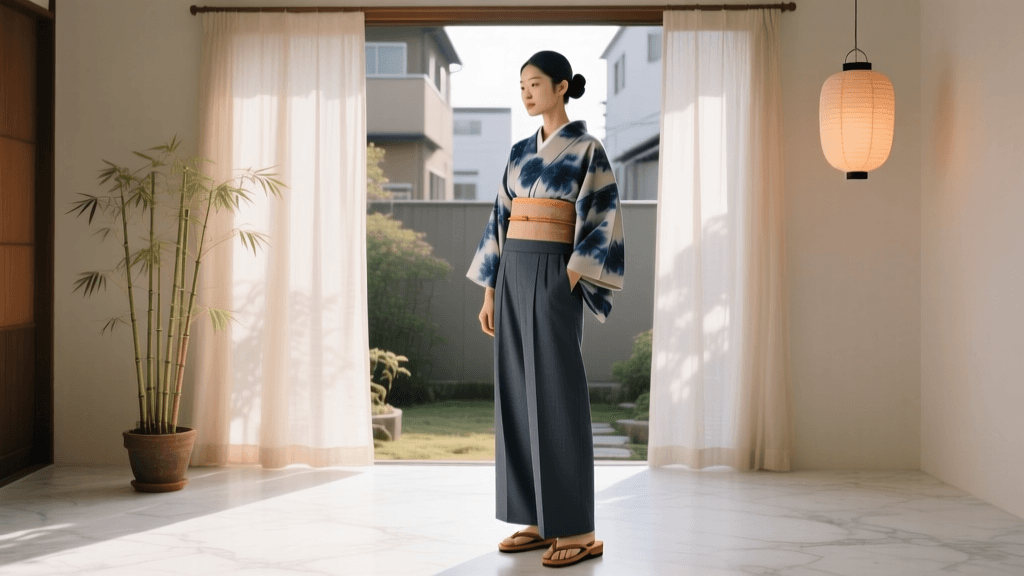
For those interested in how traditional garments are actually worn on the streets of Tokyo, Fashionsnap remains the undisputed king of digital street-style documentation. In 2026, their photographers have captured a massive surge in the 'Neo-Wafuku' movement across neighborhoods like Daikanyama and Shimokitazawa. Young creatives are pairing vintage haori jackets with modern technical wear, and styling hakama trousers with oversized knitwear. Fashionsnap's daily updates provide a visual diary of these grassroots styling innovations, offering endless inspiration for integrating traditional pieces into everyday, weather-adapted outfits.
Vogue Japan (vogue.co.jp)
Vogue Japan approaches traditional garments through a high-editorial lens. Their 2026 digital issues frequently feature stunning visual essays that place antique kimono in avant-garde, modern contexts. Their fashion journalism often highlights the work of contemporary textile artists who are pushing the boundaries of shibori (tie-dye) and sashiko (decorative reinforcement stitching). Vogue Japan is the go-to source for understanding how traditional Japanese aesthetics are influencing global luxury runways and high-end editorial styling.
Independent Journalism and Niche Wafuku Blogs
Beyond the major publications, the most intimate and detailed journalism regarding traditional garments is happening on independent platforms. The rise of the 'artisan-journalist' has fundamentally changed how we consume information about Japanese textiles.
Note.com and the Artisan-Journalist Movement
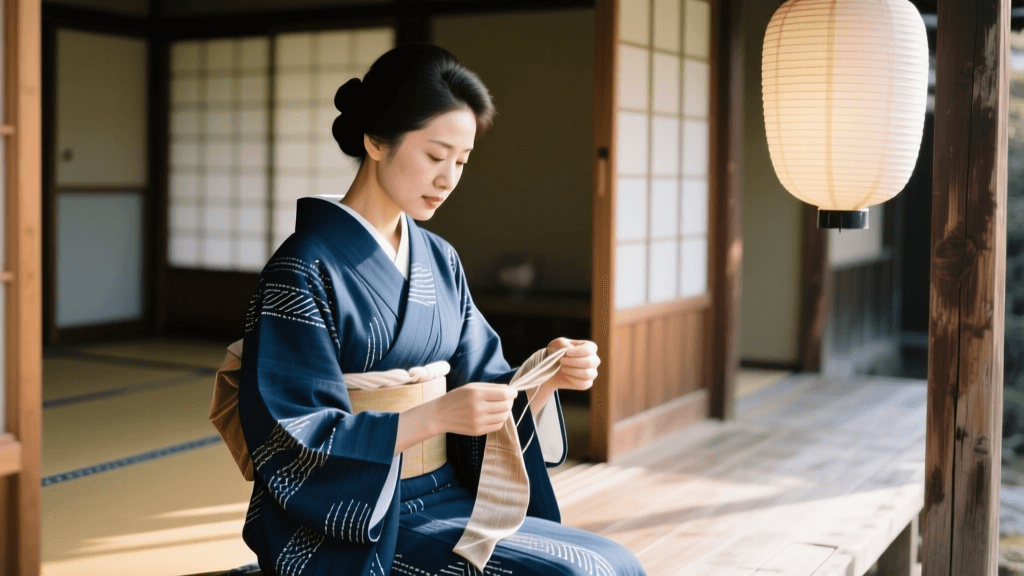
Note is a Japanese digital publishing platform that has become a haven for long-form fashion journalism and artisan diaries. In 2026, many master dyers, weavers, and kimono dressers (kitsuke instructors) use Note to publish serialized essays on their craft. Unlike mainstream magazines that focus on the final product, Note contributors document the grueling, beautiful process of creating traditional garments. You can find meticulous, photo-heavy journals detailing the exact fermentation process of traditional sukumo indigo, or the mathematical precision required to weave complex kasuri patterns. For serious textile collectors, following specific artisan tags on Note is akin to having a direct line to the source of Japan's most prized garments.
Substack and Mirror: The Global Wafuku Commentators
A growing number of bilingual fashion journalists and historians are utilizing platforms like Substack to publish deep-dive newsletters on Japanese garment history and modern market trends. These independent blogs often focus on highly specific niches, such as the history of Meiji-era school uniforms, the evolution of the yukata from bathhouse wear to summer festival staple, or the ethics of the secondhand kimono market. These newsletters are particularly valuable for non-Japanese speakers, as they translate and contextualize domestic trends for a global audience.
Comparative Guide: Top Platforms for Traditional Garment Tracking
To help you navigate this diverse digital ecosystem, we have compiled a comparison chart of the top platforms for tracking wafuku trends in 2026.
| Platform Name | Primary Focus Area | Target Audience | Update Frequency |
|---|---|---|---|
| WWD Japan | Industry news, sustainability, luxury collaborations | Industry professionals, buyers, investors | Daily |
| Fashionsnap | Street style, Neo-Wafuku styling, youth culture | Stylists, designers, streetwear enthusiasts | Multiple times daily |
| Vogue Japan | High editorial, runway trends, avant-garde craft | Fashion editors, luxury consumers, artists | Weekly / Monthly issues |
| Note (Artisan Tags) | Process documentation, craft history, dyeing techniques | Textile collectors, historians, makers | Varies by creator |
Actionable Strategies for Global Enthusiasts in 2026
Reading Japanese fashion journalism can be daunting for international enthusiasts, but the digital tools available in 2026 make it more accessible than ever. Here is how you can effectively mine these blogs and magazines for sourcing and styling inspiration.
Mastering Kanji Search Terms
To unlock the best content on platforms like Note or Fashionsnap, you must search using the correct Japanese terminology. Bookmark these essential Kanji search terms to filter through digital magazines:
- 現代着物 (Gendai Kimono): Modern Kimono. Use this to find styling blogs focused on contemporary, everyday wear.
- 古着 (Furugi): Vintage clothing. Essential for tracking secondhand market trends and upcycling journalism.
- 帯リメイク (Obi Remake): Obi upcycling. A massive trend in 2026; use this to find DIY blogs and sustainable fashion essays.
- 天然染料 (Tennen Senryo): Natural dyes. Crucial for finding artisan journals on plant-based coloring techniques.
- 男着物 (Otoko Kimono): Men's kimono. A rapidly growing segment in fashion journalism focusing on masculine traditional wear.
Leveraging AI Translation for Textile Nuance
While browser translation tools have improved, traditional textile terminology often confuses standard AI. In 2026, specialized fashion-translation extensions and glossaries are vital. When reading an article about ro (leno weave silk for summer) or chirimen (crepe silk), keep a digital glossary of Japanese textile terms handy. This ensures you understand the exact material properties being discussed, which is critical if you are using these blogs to inform your own purchasing or sourcing decisions.
Sourcing and Styling: From Screen to Wardrobe
The ultimate goal of consuming Japanese fashion journalism is to inform your personal style and collection. When you spot a recurring trend on Fashionsnap—such as the pairing of heavy, winter-weight omoigoshi obi belts with lightweight modern linen dresses—you can immediately take action.
Use the insights from WWD Japan's market reports to understand which vintage eras are currently appreciating in value. For instance, if digital magazines report a surge in demand for Taisho-era (1912-1926) romantic aesthetics, you can adjust your search parameters on Japanese proxy auction sites to target taisho roman textiles before prices peak. Furthermore, the styling guides published on Vogue Japan's digital portal often feature detailed breakdowns of how to adapt traditional garments for extreme weather, such as using moisture-wicking modern undergarments (hadajuban) beneath silk kimono during Tokyo's humid summers.
Conclusion
The digital renaissance of Japanese fashion journalism in 2026 offers an unprecedented window into the world of traditional garments. By moving beyond mainstream print and diving into the specialized online magazines, street-style archives, and artisan diaries of Note, you gain a profound understanding of wafuku not as a static relic, but as a living, breathing fashion ecosystem. Whether you are a collector seeking rare indigo-dyed cotton, a designer looking for sustainable textile inspiration, or simply a lover of Asian traditions, these digital platforms are your essential compass.