Best Hanfu For Tai Chi And Qigong Practice In 2026: Complete Guide
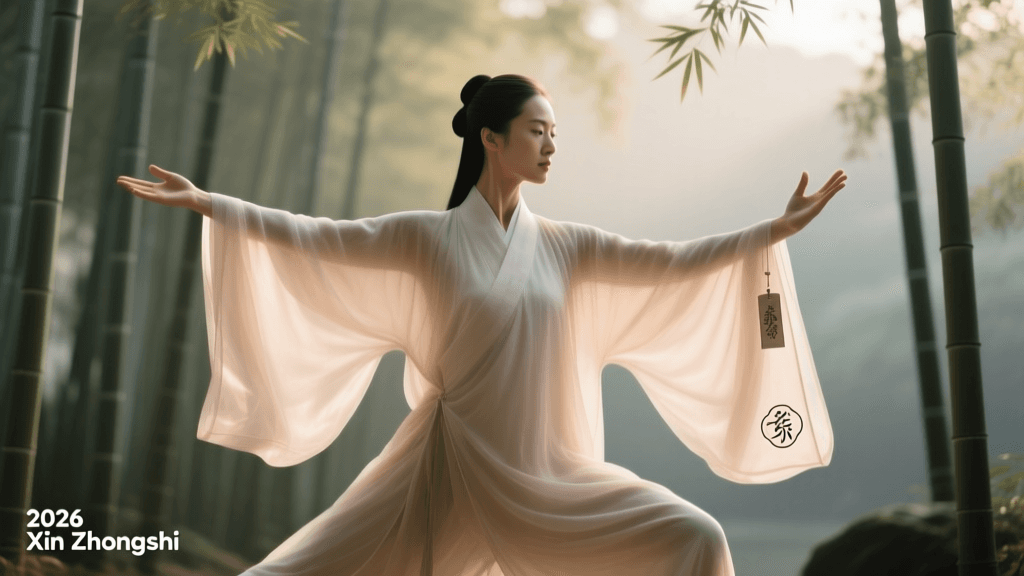
The Intersection of Hanfu and Mindful Movement in 2026
The practice of Tai Chi and Qigong is fundamentally about the unimpeded flow of Qi, or vital energy, through the body's meridians. As the global wellness community increasingly embraces these ancient Chinese disciplines, the garments worn during practice have evolved from generic athletic wear to culturally resonant, highly functional attire. In 2026, the Xin Zhongshi (New Chinese Style) movement has reached a sophisticated zenith, merging historical Hanfu aesthetics with modern ergonomic requirements. Practitioners are no longer forced to choose between authentic cultural expression and physical mobility. According to the National Center for Complementary and Integrative Health, the physical benefits of Tai Chi, including improved balance, flexibility, and cardiovascular health, are maximized when the practitioner is in a state of deep somatic comfort. The clothing you wear acts as your immediate environment; if it restricts, binds, or traps heat, it disrupts the meditative focus required for advanced forms.
This comprehensive guide explores the precise fabric weights, structural cuts, and 2026 market offerings that define the ideal Hanfu for Tai Chi and Qigong. Whether you are performing the slow, deliberate movements of the Yang style or the dynamic, grounded stances of Chen style, selecting the right traditional garment is essential for your practice.
Biomechanics and Drape: The Physics of Silk in Motion
When executing foundational movements like 'Cloud Hands' (Yun Shou) or 'Parting the Wild Horse's Mane', the upper body undergoes continuous rotational and expansive movements. A garment that is too stiff will resist the body's kinetic chain, while a garment that is too heavy will drag on the limbs, causing micro-fatigues over a 45-minute session. The ideal Hanfu for wellness practices must possess a high 'drape coefficient'—a textile measurement that indicates how fluidly a fabric falls and moves with gravity and momentum.
Research into historical textiles, such as the comprehensive archives at the Metropolitan Museum of Art's Heilbrunn Timeline of Art History, highlights that ancient Chinese silk weavers specifically engineered varying weights of silk for different societal functions. For modern Qigong, we look to medium-weight silks and advanced botanical blends that offer the luxurious drape of historical garments without the fragility of antique weaves. The fabric must glide over the skin, reducing friction and allowing the practitioner to feel the subtle shifts in their center of gravity, known as the Dantian.
Optimal Fabric Selection for Qigong and Tai Chi
The year 2026 has introduced remarkable advancements in traditional textile processing, making heritage fabrics more accessible and functional for daily wellness routines. Here are the top fabric choices for your practice Hanfu:
- Xiangyunsha (Gambiered Canton Gauze): Often referred to as 'soft gold' in the textile world, this silk is dyed with yam juice and coated with river mud. The 2026 bio-washed variations of Xiangyunsha are exceptionally breathable, naturally antibacterial, and possess a crisp yet fluid drape. It is ideal for outdoor Tai Chi in humid climates, as it does not cling to the skin when sweating.
- Heavyweight Crepe de Chine (19 to 22 Momme): While lightweight silks (12 momme) are too sheer and fragile for martial arts, a 19 to 22 momme Crepe de Chine offers a matte finish, excellent moisture resistance, and a beautiful, weighted drape that accentuates the circular movements of Qigong without tangling around the legs.
- Bamboo-Silk Blends (70/30 Ratio): A hallmark of the 2026 Xin Zhongshi wellness market, blending bamboo viscose with mulberry silk creates a fabric that is inherently cooling, highly elastic, and remarkably soft. This blend provides the historical sheen of silk with the moisture-wicking and stretch properties required for deep stances like the 'Snake Creeps Down' (Xia Shi).
- Washed Ramie and Linen-Cotton: For practitioners who prefer a more ascetic, grounded feel, enzyme-washed ramie offers a structured yet flexible alternative. It softens beautifully over time and provides excellent temperature regulation for early morning outdoor practice.
Structural Architecture: Sleeves, Collars, and Hems
The cut of the Hanfu is just as critical as the fabric. Traditional wide sleeves (Da Xiu) are visually stunning but highly impractical for martial arts, as they can obscure hand positions and catch on equipment or the practitioner's own body. The 2026 wellness Hanfu relies on modified historical cuts that prioritize safety and range of motion.
- Shouju (Narrow Sleeves) with Huiwan (Wrist Guards): The optimal top features a tapered sleeve that ends in a fitted wrist guard. This keeps the fabric secure during rapid strikes or expansive arm circles while maintaining the elegant silhouette of the Ming or Song dynasty workwear.
- Jiaoling Youren (Cross-Collar, Right Lapel): The traditional cross-collar remains the gold standard for Qigong tops. It allows for natural chest expansion during deep diaphragmatic breathing. Modern iterations feature hidden internal ties and subtle magnetic clasps to ensure the collar remains perfectly aligned without the need for constant adjustment during practice.
- Ku (Trousers) over Mamianqun (Horse-Face Skirts): While the Mamianqun is iconic, its pleated structure can be a tripping hazard during low stances. Tailored Ku (traditional trousers) with a wide, elasticized Xin Zhongshi waistband and tapered ankles offer unrestricted hip mobility. For those who prefer the skirt aesthetic, split-hem wrap skirts with internal shorts are the prevailing trend in 2026 wellness fashion.
2026 Market Comparison: Top Functional Hanfu Brands
To help you navigate the current market, we have evaluated the leading brands that specialize in functional, practice-ready Hanfu. The following table compares the top choices based on fabric technology, mobility rating, and current 2026 pricing.
| Brand / Model | Primary Fabric | Mobility Rating | Est. Price (USD) |
|---|---|---|---|
| Zhiwu Athletics 'Flow' Set | Bamboo-Silk Blend (70/30) | 9.5 / 10 | $145 |
| Muyun Heritage Ramie Ku | Enzyme-Washed Ramie | 8.5 / 10 | $98 |
| Shanshui Xiangyunsha Top | Gambiered Canton Gauze | 8.0 / 10 | $210 |
| Qianxi Wellness Crepe Set | 22 Momme Crepe de Chine | 9.0 / 10 | $185 |
As noted by Harvard Health Publishing, consistency is the most critical factor in reaping the neurological and physical benefits of Tai Chi. Investing in a high-quality, comfortable set from brands like Zhiwu or Qianxi removes the friction of physical discomfort, encouraging a daily practice habit.
Footwear and Accessories for Grounding
A complete wellness Hanfu ensemble extends to the feet. Traditional Tai Chi shoes in 2026 have moved beyond the thin, flat canvas slippers of the past. Modern practitioners require footwear that respects the traditional flat-soled profile—essential for feeling the earth and maintaining root (Gen)—while incorporating modern arch support and natural rubber grip. Look for shoes made from hemp or organic cotton uppers with vulcanized natural rubber soles. Additionally, a simple silk sash (Yaodai) tied around the Dantian can serve as a tactile reminder to engage the core and maintain proper pelvic alignment during weight shifts.
Caring for Your Wellness Hanfu
Because Qigong and Tai Chi induce deep, detoxifying sweats, proper garment maintenance is crucial. Xiangyunsha and heavy silks should never be machine washed. Instead, use a pH-neutral silk detergent and hand wash in cool water. Avoid wringing the fabric; instead, roll it in a clean cotton towel to absorb excess moisture and lay it flat in the shade. Direct sunlight will degrade the natural proteins in silk and cause the gambiered dyes to fade. For bamboo-silk blends, a gentle machine cycle in a mesh laundry bag is acceptable, but air drying is always recommended to preserve the elasticity of the fibers.
Conclusion
The integration of Hanfu into Tai Chi and Qigong is more than a stylistic choice; it is a profound reconnection with the cultural roots of mindful movement. By selecting the appropriate fabrics, respecting the biomechanics of traditional cuts, and utilizing the ergonomic innovations of the 2026 Xin Zhongshi market, practitioners can elevate their physical and spiritual practice. The right garment becomes an extension of the body, moving like water, breathing like the wind, and grounding you deeply in the present moment.