Swedish Bridal Crowns & Estonian Silver Brooches: 2026 Guide
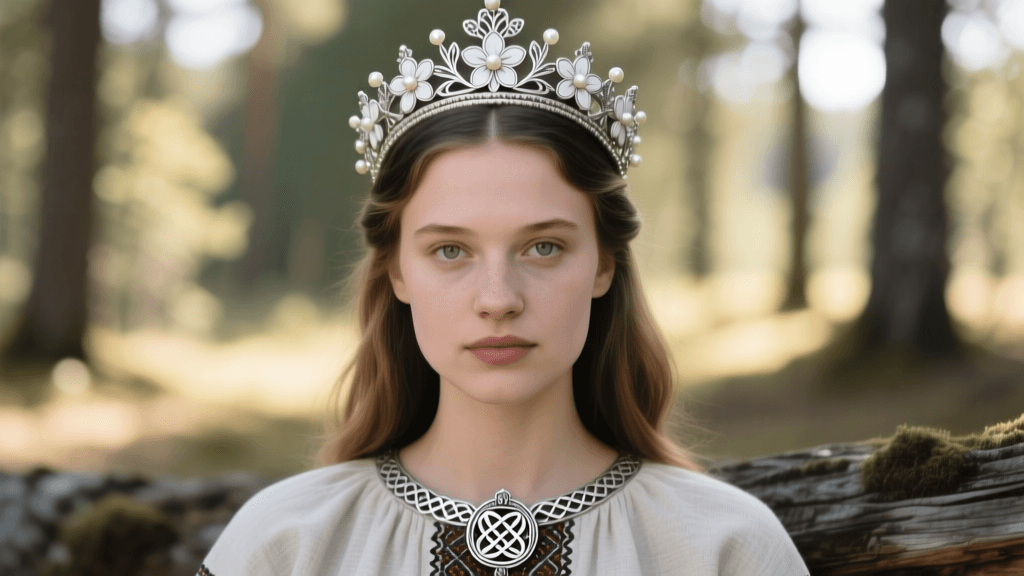
The landscape of European heritage fashion has shifted dramatically as we move through 2026. Gone are the days when traditional folk dress was relegated solely to museum displays or rigid, localized parish gatherings. Today, a new generation of heritage enthusiasts, brides, and folk musicians are integrating authentic European folk accessories into their modern wardrobes. Two of the most striking and highly sought-after pieces in the 2026 revival are the Swedish brudkrona (bridal crown) and the Estonian sõlg (silver brooch). These items are not merely decorative; they are profound symbols of regional identity, marital status, and historical continuity. Whether you are attending the 2026 Viljandi Folk Music Festival in Estonia or preparing for a heritage wedding in Dalarna, Sweden, understanding the nuances of these accessories is essential. This comprehensive guide explores the history, modern styling, and sourcing of these magnificent pieces of European folk jewelry and headwear.
The Swedish Brudkrona: Crown of the Heritage Bride
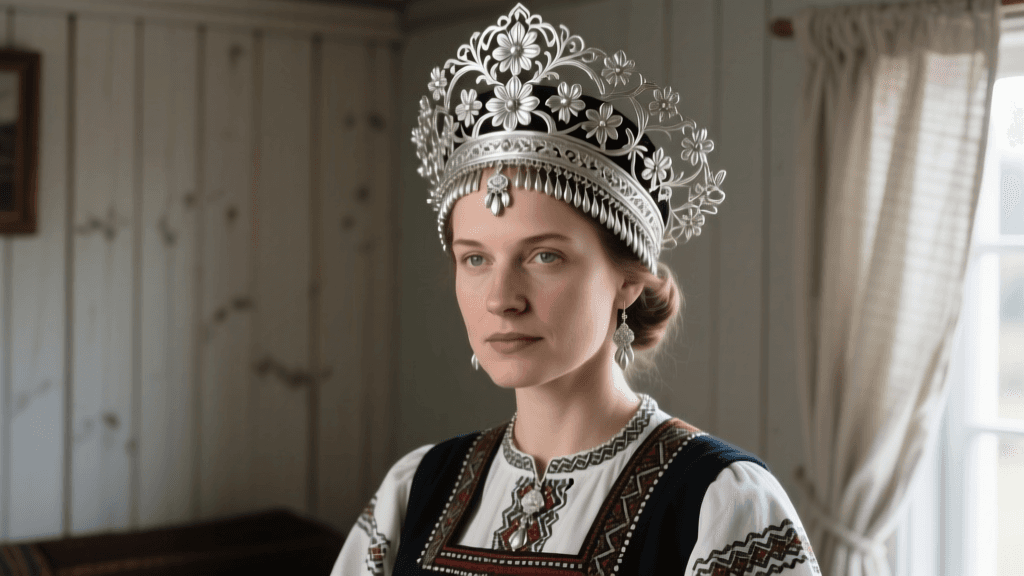
The Swedish brudkrona is arguably the most iconic piece of Scandinavian folk headwear. Historically, these elaborate crowns were worn by brides on their wedding day to symbolize purity, status, and the blessing of the church. In the 18th and 19th centuries, a bridal crown was often the most expensive item a rural family would ever own, sometimes costing as much as a small farm. According to the extensive textile and jewelry archives at the Nordiska Museet, the craftsmanship of these crowns varied wildly by province, with Dalarna, Småland, and Halland producing some of the most intricate designs.
Anatomy and Regional Variations
A traditional brudkrona is typically constructed from a base of brass or silver, heavily gilded, and adorned with an array of symbolic elements. Common motifs include the Tree of Life, doves, crosses, and floral rosettes. Many crowns feature hanging glass stones, faux pearls, and occasionally small mirrors designed to catch the candlelight during the wedding procession. The weight of these pieces is substantial; a fully adorned crown from the Skåne region can weigh upwards of 1.5 kilograms, requiring the bride to maintain perfect posture throughout the ceremony.
In 2026, we are seeing a massive resurgence in bespoke brudkrona commissions. Modern brides are working with heritage silversmiths to create lightweight titanium-silver hybrid frames that maintain the historical silhouette while reducing neck strain. Furthermore, the 2026 trend leans heavily toward 'heirloom restoration,' where brides purchase tarnished, incomplete 19th-century crowns from estate sales and commission artisans to restore them using historically accurate glass-painting and silver-gilt techniques.
The Estonian Sõlg: Silver Symbolism and Function
While the Swedish crown sits atop the head, the Estonian sõlg rests proudly at the collarbone. The sõlg is a traditional silver brooch used to fasten the neck opening of the särk (a long, white linen shirt worn by both men and women). However, its function goes far beyond mere utility. In Estonian folk tradition, the size, weight, and intricacy of the silver brooch were direct indicators of the wearer's wealth, regional origin, and social standing. The Estonian National Museum houses thousands of these artifacts, showcasing the evolution of the brooch from simple bronze rings to massive, dinner-plate-sized silver discs.
Types of Sõlg Brooches
- Hobuserauasõlg (Horseshoe Brooch): Shaped like a horseshoe with the ends pointing upward, this brooch is heavily associated with luck and protection. It is often decorated with hanging silver chains and coins that chime when the wearer moves.
- Ketassõlg (Disc Brooch): A large, flat, circular silver brooch, often featuring a central raised dome or glass stone. The surface is intricately engraved with solar symbols, geometric patterns, and floral motifs. In regions like Mulgimaa, these disc brooches can reach up to 15 centimeters in diameter.
- Sõrmussõlg (Penannular/Ring Brooch): The oldest and most functional design, consisting of a simple silver ring with a long pin. While less ostentatious than the disc brooch, it remains a staple of everyday folk dress and is highly popular among 2026 folk musicians for its practicality.
The 2026 Viljandi Folk Music Festival has catalyzed a new wave of sõlg appreciation. Young Estonian jewelers are now utilizing 3D wax printing combined with traditional lost-wax casting to recreate complex Mulgi disc brooches at a fraction of the historical cost, making them accessible to a broader demographic of heritage enthusiasts.
2026 Market Comparison: Brudkrona vs. Sõlg
For collectors and heritage dressers looking to invest in these accessories, understanding the current 2026 market dynamics is crucial. Silver prices have fluctuated, and the cost of bespoke artisanal labor has risen. Below is a comparative breakdown of what to expect when sourcing these items today.
| Feature | Swedish Brudkrona (Bridal Crown) | Estonian Sõlg (Silver Brooch) |
|---|---|---|
| Primary Origin | Dalarna, Småland, Skåne (Sweden) | Mulgimaa, Läänemaa, Saaremaa (Estonia) |
| Primary Material | Silver-gilt, brass, glass stones, pearls | Sterling silver, occasionally coin silver |
| 2026 Avg. Bespoke Price | €2,500 - €8,000+ | €350 - €1,800 |
| 2026 Antique Market Price | €1,200 - €4,500 (depending on condition) | €150 - €900 |
| Average Weight | 800g - 1.5kg | 40g - 250g |
| Primary Function | Ceremonial headwear (weddings, major festivals) | Functional fastener and decorative chest piece |
Practical Styling and Wearing Techniques
Securing the Brudkrona
Wearing a heavy bridal crown requires specific hair preparation. In 2026, heritage stylists recommend a 'crown braid' technique. The hair is parted down the middle and braided tightly against the scalp, creating a rigid, textured base. The crown is then seated firmly on the crown of the head, and the attached silk ribbons (often red or green, depending on the parish) are woven through the braids and tied securely at the nape of the neck. Never rely solely on bobby pins to hold a 1.5kg brudkrona; the tension must be distributed through the braided base and the tied ribbons to prevent the crown from slipping during the traditional brudvals (bridal waltz).
Pinning the Sõlg Correctly
The sõlg is not pinned directly through the fabric like a modern safety pin, which would tear the delicate, hand-woven linen of a traditional särk. Instead, the linen is gathered into a fold at the hollow of the throat. The long silver pin of the sõlg is passed through the gathered fabric, and the point is then secured under the silver ring or the raised dome of the disc. This creates a tension lock that holds the heavy silver piece flat against the chest without putting stress on any single thread of the linen. For heavier Mulgi disc brooches, a secondary hidden linen tie is often sewn into the inside of the shirt to bear the weight of the silver.
Sourcing Authentic Pieces and Research
If you are looking to purchase an authentic antique or commission a modern replica, thorough research is your first step. The Digitalt Museum database is an invaluable, free resource for viewing high-resolution images of thousands of original Swedish folk accessories held in regional museums. You can search by specific parish (socken) to find the exact brudkrona style native to your family's ancestral village.
For Estonian pieces, connecting with the artisan guilds in Tallinn and Viljandi is the best route for bespoke commissions. Ensure that any silversmith you work with uses the traditional 875 or 925 silver stamps and employs hand-engraving rather than laser etching, as the depth and shadow of hand-engraving are vital to the authentic folk aesthetic.
Care, Maintenance, and Storage
Antique silver requires careful maintenance, especially when exposed to the elements during outdoor midsummer or folk festivals. Avoid commercial silver dips, which strip away the dark patina that has built up over a century in the crevices of the engravings. This patina is essential for highlighting the intricate folk motifs. Instead, use a mild silver polish on a soft microfiber cloth, gently rubbing only the raised surfaces. For glass stones and faux pearls on a brudkrona, use a slightly damp cloth and avoid getting moisture near the metal settings, as the historical adhesives (often animal glues) can dissolve.
When storing these pieces, wrap the silver in acid-free, unbuffered tissue paper and place it in a tarnish-resistant flannel bag. Never store silver in direct contact with rubber bands, newspaper, or cardboard, as the sulfur compounds in these materials will rapidly accelerate tarnishing and cause permanent pitting. A brudkrona should be stored upright in a custom-fitted archival box to prevent the delicate wirework and glass pendants from being crushed under their own weight.
Heritage accessories are not merely costumes; they are wearable archives. When we wear a brudkrona or a sõlg in 2026, we are participating in a continuous, living dialogue with the artisans and communities who forged these traditions centuries ago.
Whether you are fastening a heavy Mulgi disc brooch to your linen shirt or balancing a gilded crown atop your braided hair, these European folk accessories offer a profound connection to the past. By understanding their history, respecting their construction, and styling them with intention, you ensure that these magnificent traditions continue to thrive in the modern era.