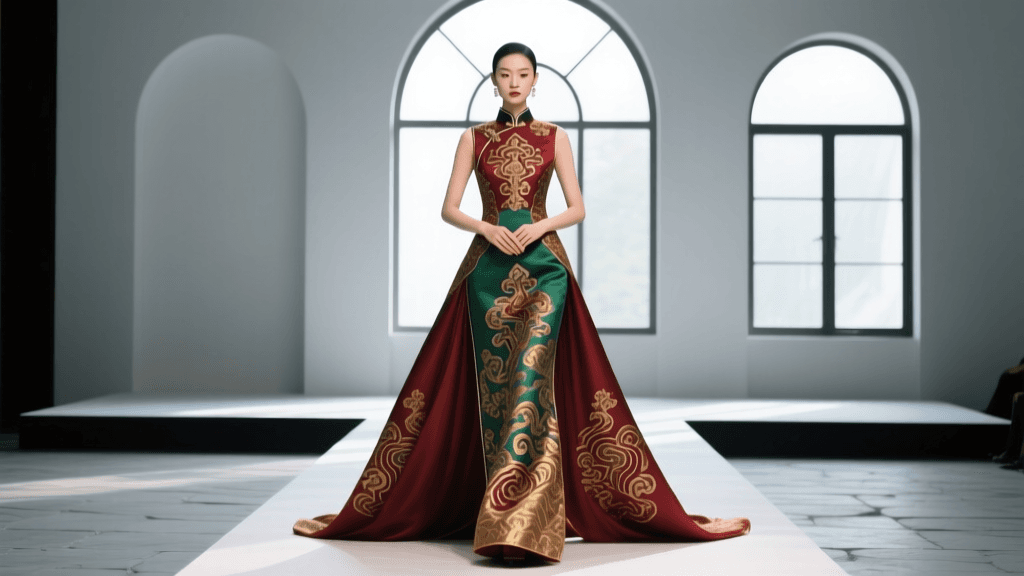
How to Style a Japanese Haori with Modern Wardrobes in 2026
The Intersection of Heritage and Contemporary Fashion
The global fashion landscape in 2026 is defined by a profound appreciation for heritage, craftsmanship, and sustainable styling. As consumers increasingly pivot away from transient fast-fashion trends, the integration of traditional Asian garments into everyday modern wardrobes has become a hallmark of sophisticated, conscious style. Among the most versatile and visually striking of these garments is the Japanese haori. Originally worn as a formal outer layer over the kimono, the haori has transcended its historical roots to become a premier layering piece in contemporary streetwear, avant-garde fashion, and modern business-casual environments.
Mixing traditional Asian pieces with modern wardrobes requires an understanding of silhouette, fabric drape, and cultural respect. The haori, with its open front, wide sleeves, and striking textiles, offers a unique canvas for personal expression. Whether you are draping a vintage silk piece over a minimalist turtleneck or pairing an upcycled cotton haori with technical cargo pants, mastering this blend of East and West, ancient and modern, is one of the most rewarding styling pursuits of the year.
Understanding the Anatomy and Heritage of the Haori
To style the haori effectively, one must first understand its construction. Unlike Western jackets, the haori lacks buttons, zippers, or lapels. It is designed to hang open, secured only by a braided cord known as a haori himo, which ties across the chest. The sleeves, or sode, are typically wide and feature deep, open pockets at the bottom where the sleeve meets the body of the garment. This architectural simplicity is what makes the haori so adaptable to modern layering; it adds volume and movement without restricting the wearer.
Historically, the haori was worn by both men and women, though its widespread adoption by women as a fashion statement gained significant momentum during the Taisho and early Showa periods. According to the Metropolitan Museum of Art's Heilbrunn Timeline of Art History, Japanese textiles have long been celebrated for their complex dyeing techniques, including yuzen and shibori, which transform the silk canvas into wearable art. In 2026, these historical techniques are highly prized by vintage collectors and modern designers alike, serving as the focal point of any outfit they are incorporated into.
2026 Streetwear Pairings: Bridging Centuries
Streetwear in 2026 heavily favors relaxed silhouettes, technical fabrics, and a mix of high and low fashion elements. The haori fits seamlessly into this ecosystem, acting as a statement outer layer that replaces the traditional bomber jacket or oversized cardigan.
The Urban Commuter Look
For a refined, city-ready aesthetic, pair a mid-length vintage silk haori with a fitted, ribbed merino wool turtleneck and high-waisted, wide-leg wool trousers. The contrast between the structured, heavy drape of the modern wool trousers and the fluid, lightweight nature of the silk haori creates a striking visual balance. Finish this look with leather Chelsea boots or minimalist leather sneakers. The key here is to let the haori remain open, allowing the vertical lines of the trousers and the turtleneck to elongate your silhouette.
Elevated Weekend Streetwear
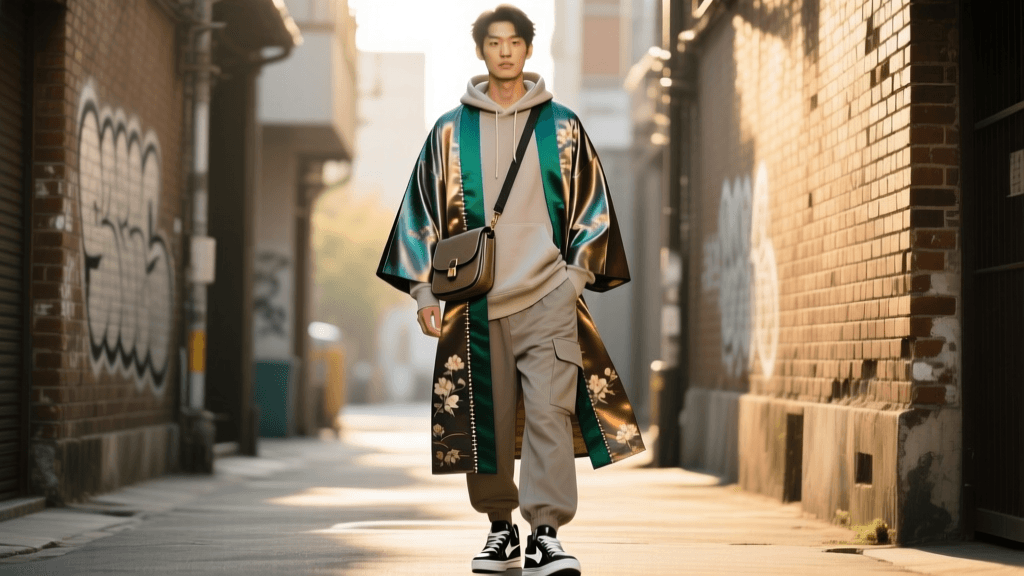
For a more casual, avant-garde approach, lean into the oversized trend that continues to dominate 2026 street style. Choose a shorter, cotton or linen-blend haori featuring subtle geometric patterns or traditional kasuri (ikat) weaving. Layer this over a heavyweight, boxy graphic t-shirt and relaxed-fit technical cargo pants. Chunky, architectural sneakers and a crossbody utility bag complete the ensemble. This look embraces the utilitarian ethos of modern streetwear while injecting a layer of artisanal history that mass-produced garments simply cannot replicate.
| Haori Fabric Type | Best Modern Pairing | Ideal Season | Style Vibe |
|---|---|---|---|
| Vintage Silk (Meisen/Rinzu) | Tailored Wool Trousers, Turtleneck | Autumn / Winter | Elevated Smart-Casual |
| Cotton / Linen Blend | Relaxed Denim, Heavyweight Graphic Tee | Spring / Summer | Relaxed Streetwear |
| Upcycled Patchwork | Technical Cargo Pants, Chunky Sneakers | All Year | Avant-Garde Street |
| Sheer Silk Organza | Slip Dress, Minimalist Sandals | Summer / Evening | Contemporary Evening Wear |
Office-Appropriate Styling for the Modern Workplace
The definition of business casual has evolved dramatically by 2026, with creative industries and modern corporate environments embracing cultural garments as acceptable and celebrated professional attire. The haori can easily replace the standard blazer in a professional setting, provided the styling is intentional and polished.
Opt for a haori in a solid, muted color such as navy, charcoal, or deep plum, or one with a very subtle, tone-on-tone damask weave. Avoid highly contrasting, vibrant patterns that might distract in a boardroom setting. Wear the haori over a crisp, oversized poplin button-down shirt, leaving the shirt untucked but neatly arranged. Pair this with pleated, tailored trousers and polished loafers. Because the haori does not button, ensure your inner layers are impeccably fitted and coordinated. This approach projects confidence, cultural awareness, and a sophisticated understanding of modern professional dress codes.
Sourcing Authentic and Upcycled Pieces in 2026
As the demand for traditional garments grows, so does the importance of ethical sourcing. The circular fashion economy has expanded significantly, and purchasing vintage or upcycled haori is not only an environmentally responsible choice but also a way to acquire superior craftsmanship that is rarely seen in modern mass production. According to the Ellen MacArthur Foundation, the shift toward circular fashion principles has fundamentally changed how consumers approach heritage garments, prioritizing longevity and material reuse over seasonal consumption.
In 2026, numerous online platforms and specialized curators focus on rescuing vintage kimono and haori from warehouses in Japan, cleaning them, and grading them for global markets. When shopping, look for sellers who provide detailed measurements, specifically the shoulder span (yuki) and the body width, as traditional garments are sized very differently from Western apparel. Additionally, a new wave of contemporary designers is deconstructing damaged vintage silk haori and upcycling them into modern, patchwork outerwear. These pieces offer the beauty of antique textiles with the durability and cut of a modern jacket, making them an excellent entry point for those hesitant to wear purely traditional silhouettes.
Garment Care: Preserving Vintage Silk in a Modern Closet
Integrating antique textiles into a daily wardrobe requires a commitment to proper garment care. Vintage silk, particularly pieces dating back to the mid-20th century, is highly susceptible to light damage, moisture, and improper storage. To ensure your haori remains a staple in your wardrobe for years to come, you must adopt conservation-minded care routines.
First, never hang a heavy vintage silk haori on a thin wire hanger. The weight of the silk and the lining can cause the shoulders to stretch and tear over time. Instead, use wide, padded hangers or, ideally, fold the garment along its natural seams and store it flat in a breathable cotton drawer. When it comes to cleaning, avoid modern washing machines and standard dry cleaners who use harsh chemicals like perchloroethylene. Instead, seek out eco-friendly wet-cleaning specialists who have experience with heritage textiles. For minor odors or wrinkles, gentle steaming from a distance and airing the garment out in a shaded, well-ventilated room is usually sufficient. The Canadian Conservation Institute emphasizes that minimizing exposure to direct sunlight and maintaining stable humidity levels are the most critical factors in preventing the degradation of historical silk fibers.
Conclusion
Mixing traditional Asian pieces like the Japanese haori with modern wardrobes is more than just a fashion trend; it is a dialogue between past and present. By understanding the garment's history, experimenting with contemporary silhouettes, and committing to ethical sourcing and proper care, you can seamlessly integrate this beautiful piece of Asian heritage into your daily life. In 2026, true style is not about adhering to rigid rules, but about curating a wardrobe that tells a rich, global, and deeply personal story.