Romanian Ie Blouse Revival: 2026 Contemporary Styling
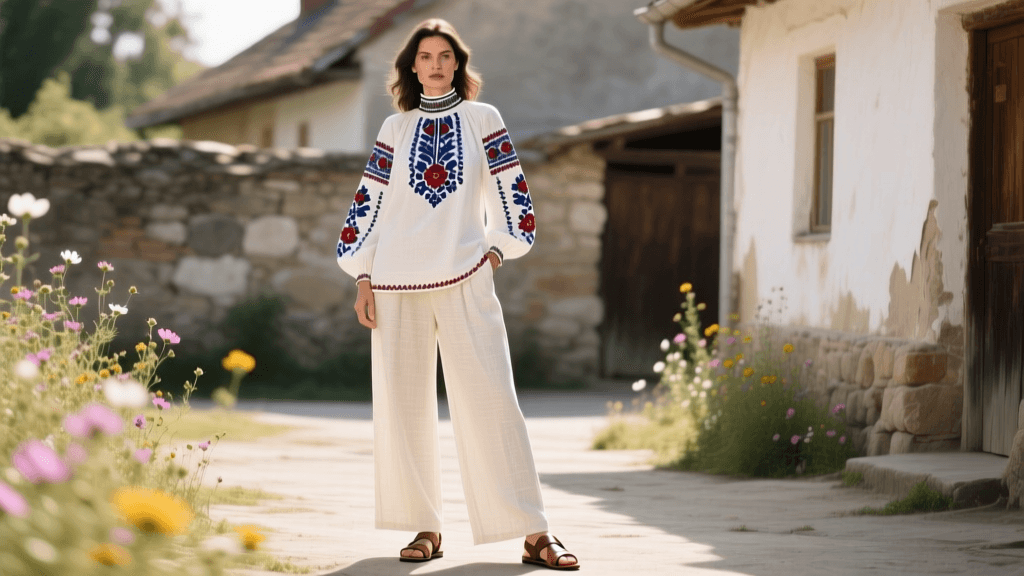
The Romanian Ie: From Rural Heritage to 2026 Runways
The traditional Romanian blouse, universally known as the ie (pronounced 'yeh'), has transcended its historical boundaries. Once reserved for rural festivals, harvest celebrations, and Sunday church attendance in the Carpathian villages, the ie has undergone a spectacular renaissance. As we navigate the fashion landscape of 2026, this centuries-old garment is no longer viewed merely as a folk costume; it is a cornerstone of the contemporary slow-fashion wardrobe. Driven by a global desire for sartorial authenticity, sustainable textiles, and garments with a profound narrative, the ie revival represents a masterclass in how heritage dress can seamlessly integrate into modern, everyday life.
The global recognition of this garment reached a zenith when the art of the traditional blouse with embroidery on the shoulder was inscribed on the UNESCO Representative List of the Intangible Cultural Heritage of Humanity. This pivotal moment catalyzed a new generation of designers and everyday wearers to reclaim the ie, moving it away from mass-produced, fast-fashion knockoffs and back into the hands of artisanal cooperatives. In 2026, wearing an ie is a statement of cultural pride, ecological mindfulness, and sophisticated styling.
Decoding the Anatomy of the Ie
To style the ie effectively in a contemporary context, one must first understand its intricate anatomy. The blouse is not simply a top; it is a mapped canvas of regional identity, with every stitch serving a symbolic purpose. The modern revival has seen artisans adapting these traditional structures using 2026's most sought-after sustainable textiles, such as organic hemp blends, Tencel, and peace silk.
- The Altiniță: This is the defining feature of the ie—a heavily embroidered rectangular panel situated on the shoulder. Historically, the altiniță acted as a visual anchor, drawing the eye and signifying the wearer's regional origins. In 2026 contemporary styling, the altiniță is often treated as the focal point of an outfit, replacing the need for statement necklaces.
- The Râuri (Rivers): These are the vertical or diagonal lines of embroidery that flow down the sleeves from the altiniță. They symbolize the flow of water and life. Modern interpretations sometimes feature minimalist, tonal râuri for a subtler, office-appropriate aesthetic.
- The Brezărău and Încreț: The neckline (brezărău) and the gathering (încreț) below it create the blouse's signature volume. While traditional ies feature dramatic, voluminous gathers, 2026 contemporary cuts often feature a slightly relaxed, tailored încreț that pairs better with structured outerwear and high-waisted bottoms.
Color Symbolism in Contemporary Collections
The color palette of the ie is deeply rooted in natural dyes and regional symbolism. Today's conscious consumers are highly attuned to the origins of these colors, favoring blouses dyed with madder root, walnut hulls, and indigo.
Monochrome and Tonal Elegance
While the vibrant red and black combinations of the Argeș region remain iconic, the 2026 styling trend heavily favors tonal embroidery. An ie featuring cream-on-cream or black-on-black embroidery offers a textured, sophisticated look that transitions effortlessly into corporate or evening environments. This subtle approach allows the intricate geometric and solar motifs to be appreciated up close without overwhelming a modern minimalist wardrobe.
Vibrant Heritage Accents
For weekend wear and summer festivals, the vivid reds, deep indigos, and golden yellows of the Vâlcea and Olt regions are making a massive comeback. These pieces are styled as the 'hero' garment of an outfit, grounded by neutral, contemporary basics.
The 2026 Ie Styling Matrix
Integrating a highly textured, voluminous heritage garment into a modern wardrobe requires a balanced approach to silhouette and proportion. The following matrix provides actionable styling formulas for various occasions, ensuring your ie looks intentional, fashionable, and deeply respectful of its origins.
| Occasion | Ie Silhouette & Fabric | Contemporary Pairing | Footwear | 2026 Accessory Trend |
|---|---|---|---|---|
| Corporate / Smart Casual | Tailored organic linen with monochrome altiniță | High-waisted wide-leg wool trousers | Pointed-toe leather mules | Minimalist geometric brass earrings |
| Weekend Streetwear | Relaxed hemp-blend with vibrant red/black râuri | Vintage-wash straight-leg denim | Chunky sustainable sneakers | Woven leather crossbody micro-bag |
| Evening / Gala | Silk organza with metallic gold thread embroidery | Floor-length velvet midi skirt | Strappy minimalist heels | Statement updo with antique silver hairpins |
| Summer Festival | Lightweight cotton voile with floral motifs | Tailored linen Bermuda shorts | Leather gladiator sandals | Layered seed-bead chokers |
| Transitional Autumn | Heavy raw cotton with deep indigo geometric patterns | Corduroy A-line mini skirt and opaque tights | Knee-high leather riding boots | Oversized structured leather tote |
Styling Pro-Tip for 2026: Avoid pairing the ie with other heavily patterned or embroidered garments. The altiniță is a masterpiece of textile art; let it breathe by anchoring it with solid, textured neutrals like raw denim, ribbed knits, or structured wool.
Sourcing Authentic Artisanal Pieces
As the demand for the ie has surged, so has the market for inauthentic, machine-made imitations. To truly participate in the revival and support the preservation of this intangible cultural heritage, it is vital to source directly from artisans or verified cooperatives. The global community La Blouse Roumaine has been instrumental in connecting international buyers with authentic creators, promoting the 'Give a Soul to your Shirt' movement. In 2026, platforms supporting direct-to-artisan sales have expanded, allowing buyers to commission custom pieces that specify the exact regional motif, fabric weight, and natural dye preferences.
When shopping, look for the slight irregularities that denote hand-stitching. True altiniță embroidery takes anywhere from two weeks to three months to complete by hand. If a piece is priced suspiciously low or features perfectly uniform, laser-straight stitching on the reverse side, it is likely a factory-made reproduction. Investing in an authentic, hand-loomed ie is an investment in a wearable heirloom that will outlast fleeting seasonal trends.
Modern Garment Care for Hand-Loomed Textiles
Heritage textiles require specialized care to ensure their longevity, especially when they feature natural dyes and delicate hand-spun fibers. The intersection of traditional garment construction and modern eco-friendly care routines is essential for the 2026 wardrobe.
According to conservation guidelines outlined by institutions like the Victoria and Albert Museum, historical and artisanal textiles are highly susceptible to environmental stressors. Here is how to maintain your contemporary ie:
- Washing: Never machine wash a hand-embroidered ie. Hand wash in cool water (below 30°C) using a pH-neutral, eco-friendly liquid detergent designed for delicates. Avoid enzymatic cleaners, which can degrade natural fibers like hemp and linen over time.
- Drying: Never wring or twist the embroidered panels, as this will distort the altiniță and break the threads. Roll the blouse in a clean, dry towel to press out excess moisture, then lay it flat on a drying rack away from direct sunlight. UV exposure is the primary enemy of natural dyes, causing vibrant madder reds and indigo blues to fade prematurely.
- Ironing: Always iron the ie on the reverse side using a low-to-medium heat setting. Place a clean cotton pressing cloth between the iron and the fabric to protect the raised embroidery threads from being crushed or scorched.
- Storage: Store your ie flat or rolled in acid-free tissue paper inside a breathable cotton garment bag. Avoid wire hangers, which can distort the delicate gathering of the încreț and stretch the shoulder seams.
Conclusion: Wearing History in the Modern Age
The 2026 revival of the Romanian ie is a testament to the enduring power of cultural dress. It proves that traditional garments do not have to remain frozen in time to be respected; rather, they can evolve, adapt, and enrich our contemporary lives. By understanding the anatomy of the blouse, styling it with modern intentionality, sourcing ethically, and caring for it meticulously, we ensure that the altiniță continues to tell its story for generations to come. Whether paired with wide-leg wool trousers for a boardroom meeting or vintage denim for a weekend market, the ie remains a profound, beautiful expression of European textile heritage.