The Modern Haori: Styling Traditional Japanese Jackets in 2026
The Enduring Legacy of the Haori in 2026
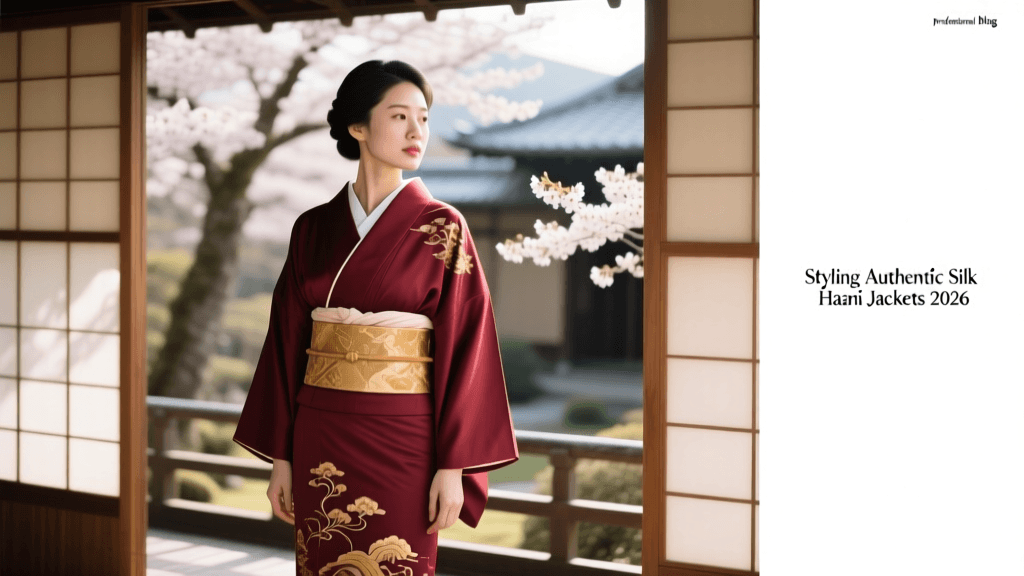
The global fashion landscape of 2026 is defined by a profound shift toward circularity, heritage craftsmanship, and garments that tell a cultural story. At the intersection of historical preservation and contemporary streetwear sits the haori (羽織), a traditional Japanese hip- or thigh-length jacket. Originally designed to be worn over a kimono, the haori has transcended its Edo-period origins to become a highly sought-after statement piece in modern international wardrobes. Unlike fast-fashion outerwear that degrades within a single season, a well-sourced vintage silk haori offers unparalleled longevity, artisanal dyeing techniques, and a sustainable approach to luxury layering.
According to The Metropolitan Museum of Art's Heilbrunn Timeline of Art History, the evolution of Japanese outerwear was deeply tied to social class and climate. While the kimono served as the foundational garment, the haori provided necessary warmth and an avenue for subtle sartorial expression. Today, fashion historians and modern stylists alike champion the haori for its architectural drape, gender-neutral silhouette, and the hidden artistry of its interior linings. As we navigate the 2026 fashion cycle, integrating these antique and vintage textiles into daily wear is not just a stylistic choice, but an act of cultural preservation.
Anatomy and Artistry: Deconstructing the Jacket
To properly style and care for a haori, one must first understand its unique construction. Unlike Western jackets, the haori features no buttons, zippers, or rigid tailoring. It relies entirely on the natural drape of the fabric and the geometry of its cut.
- Sode (Sleeves): Traditional haori sleeves are characterized by their deep, flowing drop—often measuring up to 30 inches from the shoulder seam. The unattached lower portion of the sleeve allows for ventilation and graceful movement.
- Eri (Collar): The collar is wide and typically folded back to reveal the nape of the neck and the undergarment. It lacks the rigid interfacing found in Western lapels, allowing it to conform softly to the wearer's shoulders.
- Haori Himo (Ties): Instead of closing at the front, the haori is left open or secured by a haori himo, a decorative braided cord that attaches to small loops hidden inside the collar. In 2026, artisans are crafting modern himo using upcycled metallic threads and sustainable hemp.
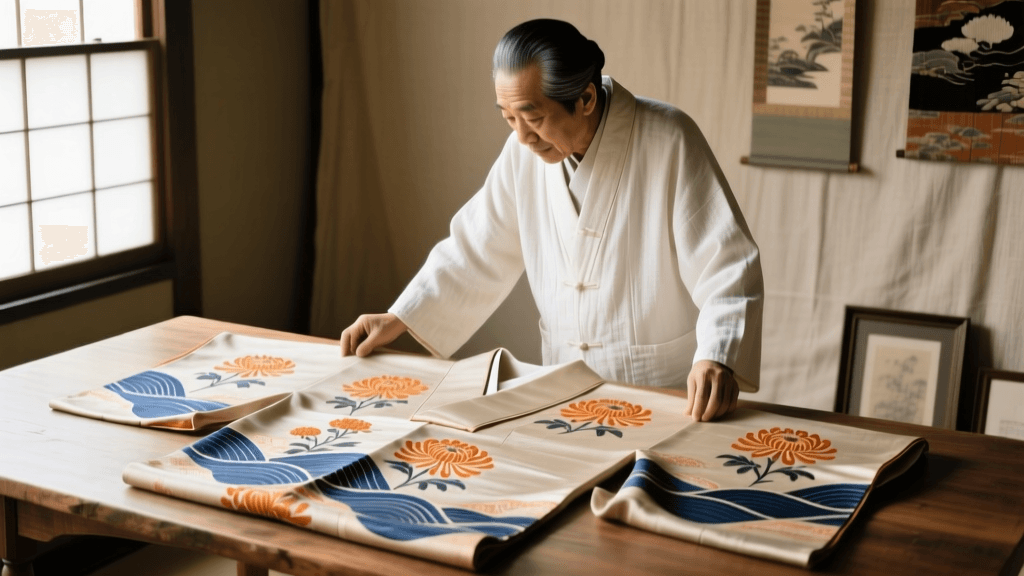
- Uraji (Lining): Perhaps the most captivating feature is the uraji, or inner lining. During the Edo period, strict sumptuary laws prohibited the merchant class from displaying overt wealth. In response, they commissioned haori with plain, dark exteriors and breathtaking, hand-painted silk linings featuring landscapes, folklore, or family crests. This concept of iki (understated, hidden elegance) remains a hallmark of authentic pieces today.
Sourcing Authentic Haori in the 2026 Market
The market for traditional Japanese garments has evolved significantly. In 2026, the most sustainable and cost-effective way to acquire a high-quality haori is through the vintage and archival recycling markets in Japan. Kyoto and Osaka remain the epicenters for sourcing, with specialized textile recyclers grading garments based on silk integrity, dye vibrancy, and structural soundness.
When sourcing online or through specialized importers, buyers should look for specific terminology. A komon haori features a small, repeating pattern suitable for casual wear, while a tsukesage or homongi style haori features sweeping, continuous motifs that cross the seams, indicating formal wear. As noted by Encyclopedia Britannica's comprehensive guide to the Kimono, the distinction between formal and casual silk weaves is paramount in Japanese dress codes, a nuance that modern collectors highly value.
2026 Pricing Guide for Authentic Haori:
- Entry-Level Vintage (Wool/Cotton blends): $45 – $85 USD
- Mid-Tier Vintage (Silk Chirimen with Yuzen dyeing): $120 – $280 USD
- Archival/Antique (Meiji/Taisho era with hand-painted linings): $350 – $800+ USD
- Bespoke Contemporary (Nishijin-ori brocade): $2,500 – $5,000+ USD
The 2026 Styling Matrix: Integrating Heritage into Modern Wardrobes
The key to styling a haori in 2026 is juxtaposition. Pairing the fluid, historical lines of the silk jacket with structured, contemporary basics prevents the outfit from looking like a costume. Here are three actionable styling frameworks for the modern wearer.
1. The Urban Commuter (Transitional Weather)
For the modern professional, a dark, unpatterned tsumugi (pongee silk) haori serves as an exceptional alternative to the standard blazer. Pair a navy or charcoal haori with a fine-gauge merino wool turtleneck, tailored wide-leg trousers, and polished leather loafers. The matte texture of the tsumugi silk bridges the gap between traditional heritage and minimalist office attire. Ensure the haori hem falls just below the hip to maintain a balanced proportion with high-waisted trousers.
2. Summer Festival Streetwear
During the warmer months, swap heavy silks for a vintage linen or ramie jofu haori. These breathable, semi-sheer jackets are perfect for layering over a simple ribbed camisole and high-waisted denim cut-offs. Complete the look with minimalist leather sandals and woven accessories. The stiffness of the denim contrasts beautifully with the ethereal drape of the summer haori, creating a dynamic, effortlessly cool silhouette.
3. Evening Elegance and Formal Events
For evening wear, a black silk crepe (chirimen) haori featuring a subtle family crest (mon) on the back and sleeves is the ultimate statement of quiet luxury. Drape it over a bias-cut silk slip dress in a complementary jewel tone. Allow the uraji (lining) to peek out slightly at the sleeves and hem as you move. Secure the jacket with a modern, minimalist metallic haori himo to cinch the waist slightly, adapting the traditional straight cut to a more contemporary, shaped evening look.
Fabric Comparison and Seasonal Guide
Understanding the textile is crucial for both styling and preservation. The table below outlines the primary fabrics used in haori construction and their optimal use cases in 2026.
| Fabric Type | Japanese Term | Weight & Drape | Best Season | 2026 Avg. Vintage Price |
|---|---|---|---|---|
| Silk Crepe | Chirimen | Medium, textured, fluid | Autumn / Winter | $120 - $250 |
| Silk Brocade | Rinzu / Nishijin | Heavy, glossy, structured | Winter / Formal | $180 - $450 |
| Pongee Silk | Tsumugi | Crisp, matte, durable | Spring / Autumn | $90 - $200 |
| Ramie / Linen | Jofu | Light, breathable, sheer | Summer | $150 - $350 |
Archival Care and Maintenance
Authentic silk haori are investment pieces that require meticulous care to survive the decades. The enemies of antique silk are moisture, direct UV light, and improper folding.
Storage: Never store a silk haori on a wire or thin wooden hanger, as the weight of the deep sleeves will distort the shoulder seams over time. In 2026, archival conservationists recommend using wide, padded velvet hangers. If folding is necessary for long-term storage, wrap the garment in acid-free, unbuffered tissue paper and place it in a breathable cotton storage box. Traditional Japanese tansu (wooden chests) made from Paulownia wood remain the gold standard, as the wood naturally regulates humidity and repels insects.
Cleaning: Avoid traditional dry cleaning, as the harsh chemical solvents used in standard commercial processes can strip the natural sericin from the silk fibers and cause antique dyes to bleed. Instead, seek out specialized textile conservators who utilize liquid CO2 cleaning technology, a sustainable and gentle method that has become widely accessible in major metropolitan areas by 2026. For minor odors, airing the haori outdoors in a shaded, well-ventilated area for a few hours is often sufficient. To protect against moths, use natural shōno (camphor) blocks or dried lavender sachets, ensuring they do not directly touch the silk to prevent oil transfer.
Conclusion
The haori is far more than a relic of Japan's sartorial past; it is a living, breathing garment that continues to evolve. By understanding its history, respecting its construction, and styling it with modern intentionality, we ensure that the masterful techniques of Edo-period dyers and weavers remain a vibrant part of the global fashion conversation in 2026 and beyond.