How Hanbok Silhouettes Dominated 2026 Global Fashion Media
The 2026 Hanbok Renaissance in High Fashion
The global fashion media landscape of 2026 has undergone a profound transformation, moving decisively away from superficial cultural borrowing toward deep, structural appreciation. At the forefront of this paradigm shift is the Korean Hanbok. Once relegated to occasional ceremonial wear or stereotyped costume tropes in Western media, the Hanbok's architectural silhouettes have become the defining inspiration for the Spring/Summer and Fall/Winter 2026 global runway seasons. Leading fashion houses in Paris, Milan, and Seoul are no longer merely copying the aesthetic; they are collaborating directly with Korean master artisans, known as jang-in, to reinterpret the garment's foundational geometry for the modern wardrobe.
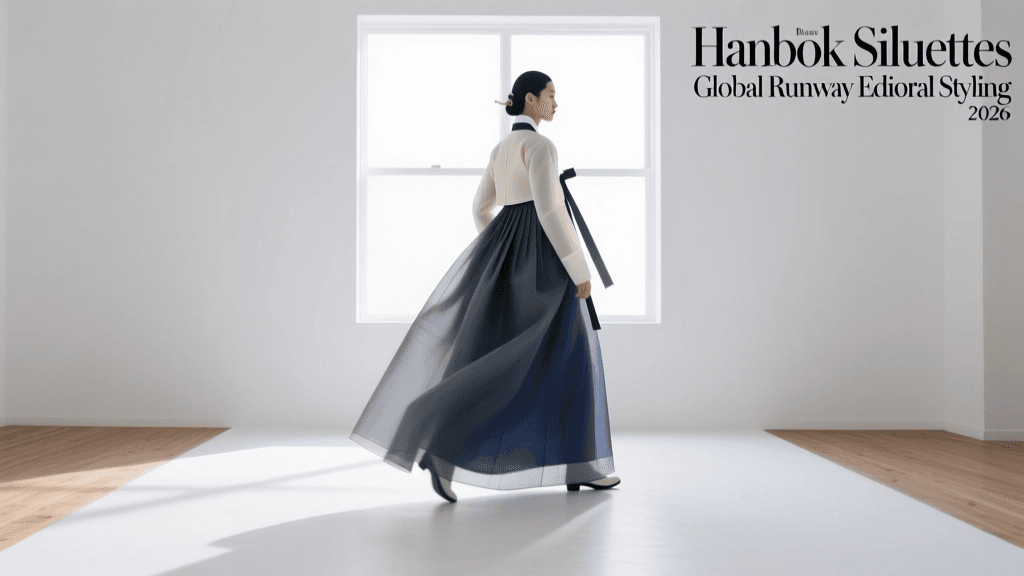
During the 2026 fashion weeks, global fashion media outlets, including Vogue, Harper's Bazaar, and the Business of Fashion, dedicated extensive coverage to the "Hanbok Silhouette." Editors praised the garment's unique approach to volume, negative space, and fluid movement. Unlike Western tailoring, which traditionally relies on darts and seams to contour the body, the Hanbok utilizes flat planes of fabric that only reveal their three-dimensional majesty when in motion. This kinetic elegance has captivated 2026 fashion photographers and stylists, resulting in editorial spreads that prioritize dynamic movement over static posing.
Deconstructing the Modern Jeogori and Chima
To understand the media frenzy surrounding the Hanbok in 2026, one must deconstruct its primary components: the jeogori (the upper jacket) and the chima (the wrap-around skirt). In 2026 editorials, the proportions of these garments have been radically, yet respectfully, reimagined. The traditional jeogori, which historically ended just below the bust, has been adapted into ultra-cropped outerwear that pairs seamlessly with high-waisted, wide-leg trousers or modern tailored skirts. Conversely, the voluminous bell-shape of the chima has influenced the construction of 2026's most talked-about evening gowns, utilizing stiffened organza and sustainable tech-silks to maintain the skirt's iconic floating suspension without the need for restrictive crinolines.
| Garment Element | Traditional Function & Form | 2026 Global Media Interpretation |
|---|---|---|
| Jeogori (Jacket) | Modest upper garment covering the torso and arms, tied with ribbons. | Ultra-cropped boleros, structured shrugs, and asymmetric wrap tops featured in high-fashion street style. |
| Chima (Skirt) | High-waisted, voluminous wrap skirt creating a bell-like silhouette. | Sculptural evening skirts, tiered tulle overlays, and architectural draping on 2026 red carpets. |
| Goreum (Ties) | Long, flowing ribbons used to secure the jeogori at the chest. | Oversized statement bows, detachable silk sashes, and macro-photography focal points in editorial beauty shots. |
| Dongjeong (Collar) | Removable white paper or fabric collar contrasting with the jacket. | Stark white piping, detachable collar accessories, and sharp graphic lines in minimalist 2026 collections. |
The Evolution of the Goreum in Macro Editorials
One of the most striking trends in 2026 fashion media is the hyper-focus on the goreum, the long ribbon ties that fasten the jeogori. Historically, the knotting of the goreum (the otgoreum) followed strict aesthetic rules regarding length, loop size, and symmetry. In 2026, global fashion magazines have embraced the goreum as a canvas for avant-garde styling. Macro-photography editorials have highlighted hand-woven silk ribbons dyed with natural indigo and madder root, showcasing the intricate texture of the weave. Designers are extending the goreum to floor-length proportions, allowing the ribbons to trail behind models like kinetic sculptures, a styling trick that has dominated 2026 met gala red carpets and high-profile celebrity press tours.
Fabric Innovations: From Myeongju to Sustainable Tech-Silks
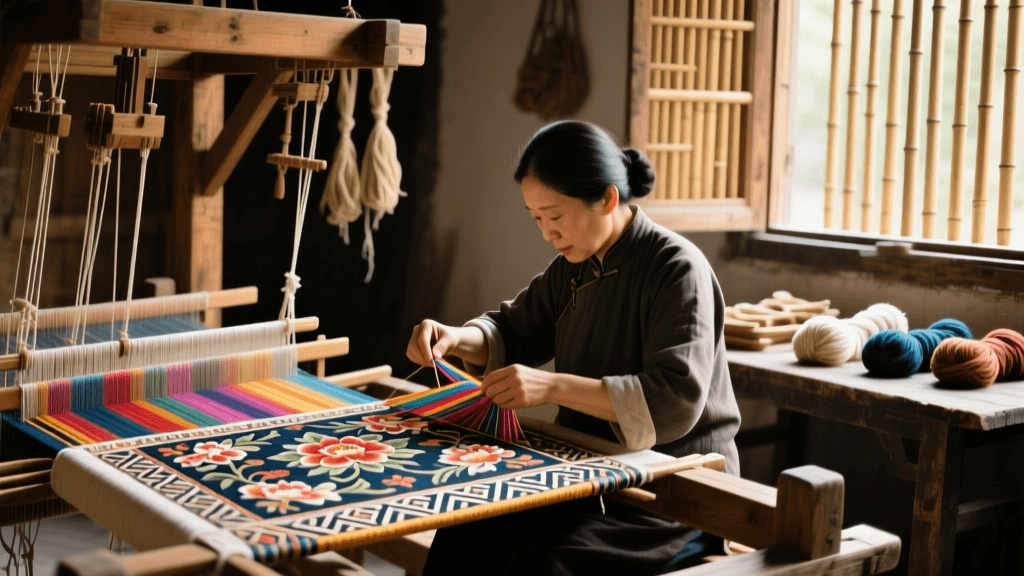
In 2026, the conversation in fashion media is heavily focused on materiality and sustainability. The traditional Hanbok relies on exquisite natural fabrics such as myeongju (a lightweight, lustrous silk) and mosi (fine ramie cloth known for its crisp texture and breathability). This year, global fashion conglomerates have partnered with Korean textile innovators to develop sustainable tech-silks that mimic the drape and sheen of myeongju while utilizing closed-loop, lab-grown bio-polymers.
Fashion journalists have lauded these 2026 fabric innovations for solving one of the historical challenges of the Hanbok: the delicate nature of the textiles. Modern interpretations featured in 2026 editorials are machine-washable, wrinkle-resistant, and dyed using zero-water digital printing techniques that replicate the vibrant saekdong (traditional color-striped) patterns without the environmental toll of traditional chemical dyeing. This fusion of ancient aesthetics and cutting-edge material science has made Hanbok-inspired pieces a staple in the 2026 luxury sustainable fashion market.
Authentic Collaborations: The End of the "Costume" Trope
The most significant shift in 2026 is the eradication of the "costume" trope in Western media. Historically, global fashion magazines faced heavy criticism for styling Asian garments as exotic props. In 2026, editorial boards have implemented strict cultural consultancy guidelines. According to the Metropolitan Museum of Art's Heilbrunn Timeline of Art History, the structural integrity and philosophical underpinnings of Korean dress are deeply tied to Confucian ideals of harmony, modesty, and respect for nature. Recognizing this, 2026 editorial shoots now frequently employ Korean cultural historians and master tailors as on-set consultants.
Furthermore, institutions like the Victoria and Albert Museum's Korean collection have actively collaborated with global fashion houses to provide access to archival Joseon dynasty garments. These collaborations ensure that when a 2026 runway collection features a dangui (a ceremonial jacket with extended front panels) or a hwalot (a princess's wedding robe), the construction honors the original flat-pattern cutting techniques rather than forcing the fabric into Western corsetry. This commitment to authenticity has been widely praised by fashion critics, marking a new era of respectful cross-cultural design.
How to Style Hanbok-Inspired Pieces for 2026
For the global consumer and fashion enthusiast in 2026, integrating Hanbok silhouettes into a contemporary wardrobe requires an understanding of proportion and balance. The beauty of the Hanbok lies in its contrast between the fitted upper body and the expansive lower body. Here is a practical guide to styling Hanbok-inspired pieces this year:
- Balance the Volume: If you are wearing a modern, voluminous chima-inspired midi skirt, pair it with a fitted, minimalist top or a structured, cropped jeogori-style jacket. Avoid pairing voluminous skirts with oversized tops, as this obscures the architectural waistline that defines the silhouette.
- Embrace the Dongjeong Contrast: Incorporate stark white collars or white piping against deep, jewel-toned fabrics. This high-contrast framing draws the eye upward and illuminates the face, a hallmark of traditional Korean styling that translates beautifully to modern office wear and evening attire.
- Modernize the Goreum: Instead of traditional silk ribbons, use detachable leather sashes, thick velvet bows, or even minimalist metal clasps inspired by the shape of the otgoreum knot. This grounds the historical garment in 2026's industrial-chic aesthetic.
- Footwear Pairings: Traditional Hanbok is worn with flat, boat-shaped shoes called kotsin. In 2026, fashion stylists recommend pairing Hanbok-inspired skirts with sleek, pointed-toe flats, minimalist mules, or low-block heels. Avoid stilettos, which disrupt the grounded, flowing movement intended by the skirt's hemline.
- Layering the Dangui: The dangui, with its distinctive curved hem and extended front panels, makes an exceptional light trench coat or duster for 2026. Belt it loosely at the back to maintain the front drape, and wear it over tailored trousers and a simple silk camisole.
The Media Verdict: Why Hanbok is the Future of Couture
Ultimately, the dominance of Hanbok silhouettes in 2026 global fashion media is not a fleeting trend; it is a permanent expansion of the global fashion vocabulary. The garment's reliance on flat-pattern construction, zero-waste cutting techniques, and kinetic volume aligns perfectly with the modern fashion industry's dual mandate of sustainability and expressive individuality. As global fashion media continues to spotlight the masterful artistry of Korean textile workers and the visionary adaptations of contemporary designers, the Hanbok stands as a testament to the enduring power of authentic cultural heritage in shaping the future of global style.