South African Sotho Blanket Weaving And Symbolic Wool Dyeing
The Basotho People and the Origins of the Blanket Tradition
For over 150 years, the Basotho people of Lesotho and South Africa’s Free State province have worn handwoven wool blankets not merely as garments but as sovereign insignia, spiritual talismans, and living archives. The tradition emerged in the mid-19th century when King Moshoeshoe I accepted a gift of British wool blankets from Queen Victoria in 1860—yet within decades, Basotho artisans transformed imported material into culturally distinct textiles rooted in indigenous cosmology and social hierarchy. Unlike kente cloth of Ghana’s Asante people—which relies on intricate strip-weaving on horizontal looms—or adire resist-dyed cloth of Nigeria’s Yoruba communities, Sotho blanket weaving employs vertical-frame looms and natural dye baths to encode meaning directly into the wool fibers themselves.
These blankets are known locally as *sefate* or *kharetsa*, terms derived from Sesotho words meaning “shelter” and “to cover with dignity.” Each blanket measures precisely 140 cm × 210 cm—a standardized dimension mandated since 1930 by the Aranda Textile Company, which holds the exclusive license to produce authentic Basotho blankets under royal endorsement. This exact sizing ensures compatibility with traditional draping techniques: men wear them diagonally across the torso, while women drape them symmetrically over both shoulders, securing with a single brass safety pin—never a brooch or clip, as metal fasteners carry ancestral weight tied to pre-colonial trade routes.
Weaving Techniques and Loom Infrastructure
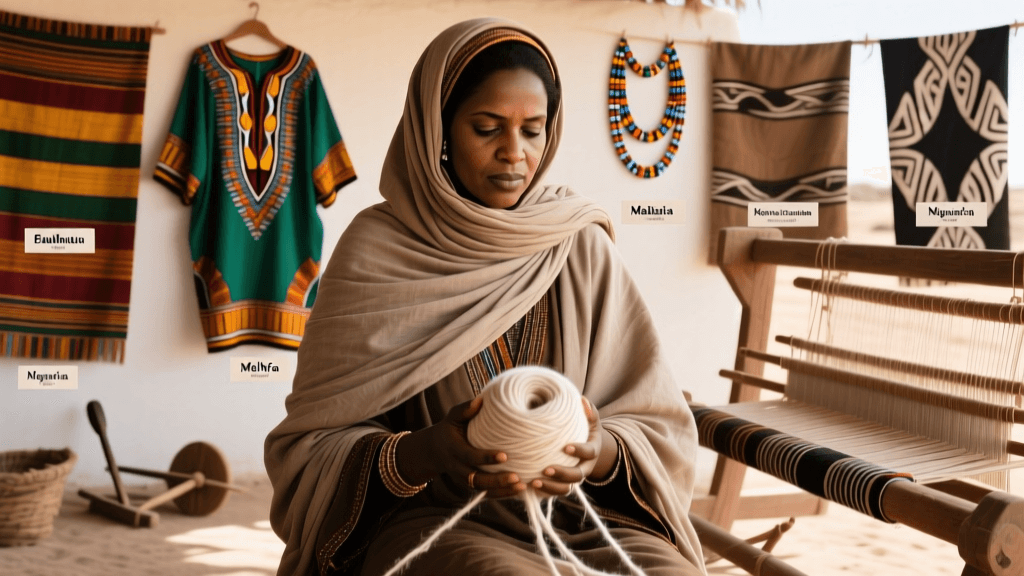
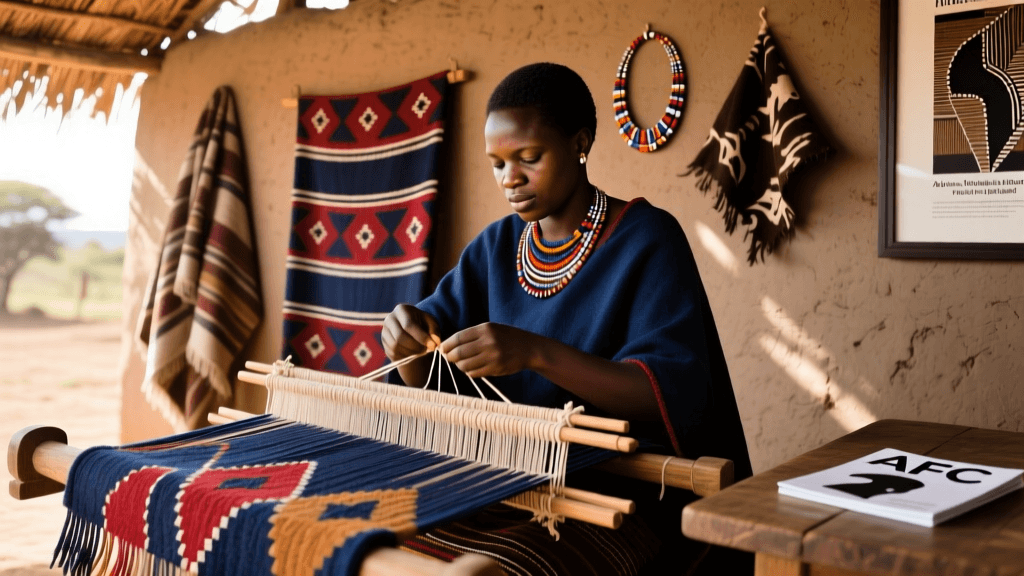
Basotho blanket weaving remains largely manual, utilizing upright frame looms constructed from indigenous hardwoods like *Leucosidea sericea* (oldwood). These looms stand 2.3 meters tall and accommodate warp threads stretched at 12–14 threads per centimeter—significantly denser than the 6–8 threads/cm used in West African kente production. Weavers, predominantly women aged 35–72, operate foot-treadle mechanisms to lift warp sheds while passing weft yarns through by hand. A single blanket requires approximately 18 hours of continuous labor and consumes exactly 1.2 kilograms of raw Merino wool, sourced exclusively from farms certified by the Lesotho Wool Board.
Natural Dye Preparation Protocols
Dyeing occurs before weaving, using plant-based mordants and pH-sensitive extracts. Indigofera tinctoria yields deep indigo only when fermented for precisely 72 hours in earthenware vats maintained at 28°C ± 1°C. Onion skins (*Allium cepa*) produce ochre tones after boiling for 90 minutes at 98°C; the resulting dye bath must cool to 32°C before wool immersion to prevent fiber degradation. Madder root (*Rubia cordifolia*) provides crimson hues when simmered for 120 minutes—longer durations yield brownish undertones deemed ritually inappropriate for chief’s cloaks.
Symbolic Motif Systems
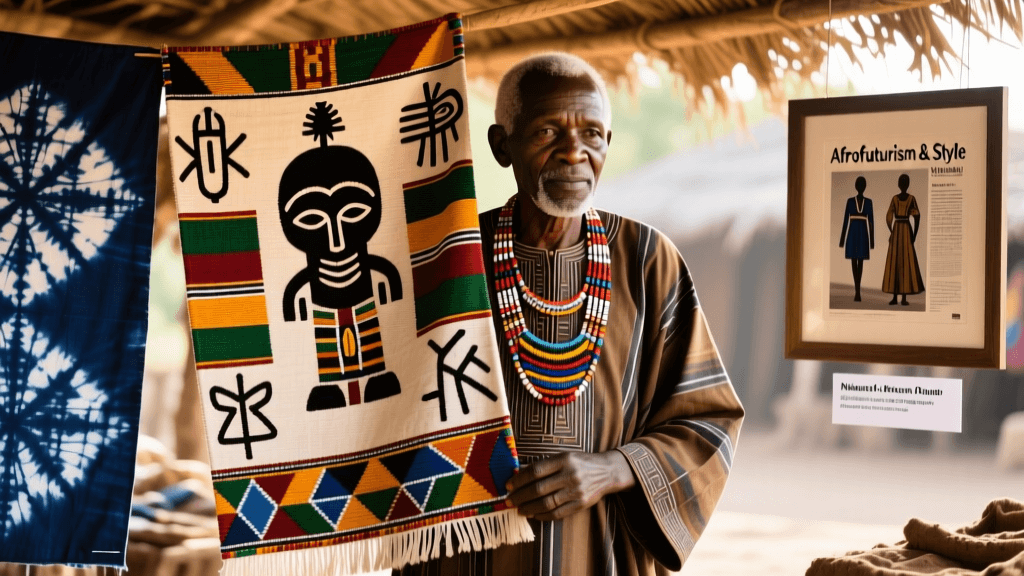
Motifs follow strict semiotic rules codified in oral genealogies. The *Litema* pattern—a geometric grid representing ploughed fields—must contain an odd number of squares (typically 7×7 or 9×9) to signify fertility and cyclical renewal. The *Mokorotlo* hat motif, central to national identity, appears only in blankets authorized for royal use and is embroidered post-weaving using 3-ply silk thread measuring 0.3 mm in diameter. A single *Mokorotlo* requires 4,200 hand-stitched points and takes 11 hours to complete.
Institutional Stewardship and Contemporary Revival
The National Museum of Lesotho in Maseru houses over 387 documented blanket variants dating from 1872 to 2023, including the 1921 “Pioneer Blanket” with its distinctive red-and-black chevron border—worn during the Basotho Gun War negotiations. Since 2015, the University of the Free State’s Centre for African Cultural Studies has partnered with the Basotho Heritage Village near Thaba Bosiu to digitize dye recipes and record master dyers’ oral instructions. Their 2022 ethnobotanical survey confirmed that 14 of the 22 native plants used historically remain actively harvested—though only six species are now cultivated commercially due to land-use pressures.
Aranda Textile Company, headquartered in Johannesburg, produces 220,000 authentic blankets annually under oversight from the Lesotho Royal Council. Each batch undergoes third-party verification by the Southern African Development Community (SADC) Textile Certification Unit, which mandates minimum 85% wool content and prohibits synthetic dyes. In 2021, the company launched the *Khanyisa Initiative*, training 47 rural weavers in digital ledger recording of motif lineage—a system now integrated into the African Fashion Foundation’s Pan-African Textile Registry.
Cultural Sovereignty and Legal Recognition
In 2017, Lesotho enacted the *Traditional Knowledge Protection Act*, granting collective intellectual property rights to Basotho blanket designs. This legislation followed UNESCO’s 2015 recognition of Sotho textile practices as Intangible Cultural Heritage in Need of Urgent Safeguarding. The law stipulates that commercial reproduction of motifs like *Litema* or *Mokorotlo* requires written consent from the Basotho National Council of Elders and payment of royalties set at 3.2% of wholesale value—amounting to R128.50 per blanket sold internationally.
Contrast this with Ghana’s kente cloth, where individual weavers retain copyright over original patterns (per the Ghana Copyright Office, 2019), or Mali’s bogolanfini (mud cloth), governed by communal usage norms rather than statutory frameworks. The Basotho model represents one of Africa’s most rigorously codified systems of textile IP governance.
Contemporary Fashion Integration and Ethical Challenges
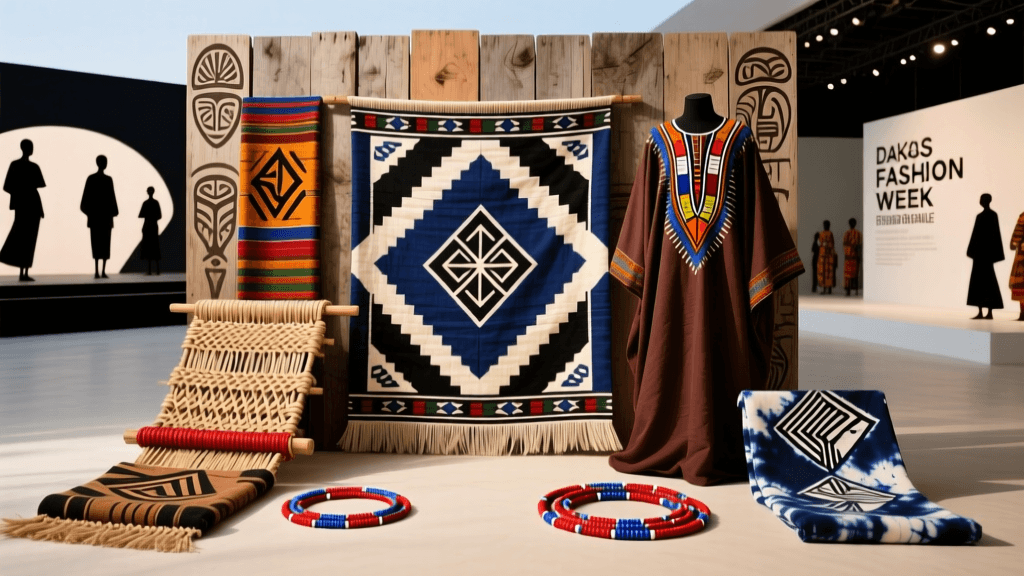
Designers such as Laduma Ngxokolo of Maxhosa Africa have collaborated with Basotho elders to reinterpret blanket motifs in knitwear, maintaining symbolic fidelity while adapting proportions for urban silhouettes. His 2023 Cape Town Fashion Week collection featured jackets whose lapel linings reproduced the 1934 “Moshoeshoe II Tribute Blanket” motif at exact 1:1 scale—measuring 12.7 cm × 12.7 cm per repeat unit. Meanwhile, international brands face scrutiny: in 2022, the African Union Commission on Trade and Investment issued a formal advisory against unauthorized use of *Mokorotlo* imagery after a European luxury house released scarves bearing distorted versions.
- Baseline wool shrinkage tolerance: ≤2.4% after three wash cycles (Lesotho Standards Institution, LS 882:2020)
- Minimum lightfastness rating: ISO 105-B02 Grade 6 for indigo-dyed sections
- Permitted mordant concentration: 0.8 g/l aluminium sulfate solution, verified via atomic absorption spectroscopy
- Maximum allowable synthetic dye residue: 0.003 mg/kg (SADC Textile Certification Unit, 2023)
- Thread count variance tolerance: ±0.5 threads/cm across full warp length
“The blanket is not clothing. It is memory made tangible—each thread a line of descent, each color a covenant with ancestors. To wear it incorrectly is not fashion error; it is historical erasure.” — Dr. Nthabiseng Molebatsi, Senior Curator, National Museum of Lesotho, 2021
| Textile | Ethnic Group | Primary Fiber | Key Symbolic Motif | Institutional Oversight |
|---|---|---|---|---|
| Sotho Blanket | Basotho (Lesotho/South Africa) | Merino wool | Mokorotlo, Litema | Lesotho Royal Council & SADC Certification Unit |
| Kente Cloth | Asante (Ghana) | Cotton/silk blend | Eban (square grid = safety) | Ghana National Commission on Culture (2019) |
| Bogolanfini | Bamana (Mali) | Handspun cotton | Ntomo (antelope horns = wisdom) | Centre National de l’Artisanat du Mali (2020) |
At the University of Johannesburg’s Fashion Innovation Hub, researchers are developing biodegradable pH-responsive dyes modeled on Sotho onion-skin protocols—testing shows color shifts occur reliably between pH 4.2 and 6.8, matching traditional fermentation ranges. Fieldwork conducted in Qacha’s Nek district recorded 17 distinct dialectal terms for wool preparation stages, underscoring linguistic depth inseparable from technical practice. The Basotho Heritage Village’s annual *Litema Festival*, held every September since 2009, draws over 12,000 visitors and features live demonstrations where elders teach youth to calibrate dye vats using calibrated hydrometers reading ±0.02 specific gravity units.
What distinguishes Sotho blanket weaving from other African textile arts is its unbroken continuity of function: it remains daily-worn ceremonial attire, legal document (blankets serve as marriage dowry receipts), and territorial marker—visible across Lesotho’s highlands where herders wear specific variants denoting clan affiliation and grazing rights. This functional multiplicity resists commodification, anchoring design integrity within community accountability rather than market demand.
When the Aranda factory in Springs, Gauteng installed its first solar-powered dye vat in 2020, engineers calibrated temperature sensors to replicate the precise thermal profiles recorded in 1948 field notes from the Morija Museum Archives. That same year, the African Fashion Foundation established its first regional office in Maseru specifically to administer motif licensing—processing 217 applications in its inaugural 18 months, with 92% approved only after elder council review.
Each blanket carries a unique serial number laser-etched onto its selvedge edge—positioned 3.7 cm from the left margin—linking physical artifact to digital registry entries stored on blockchain servers maintained by the University of the Free State. This hybrid preservation model ensures that while wool may age and fade, the encoded knowledge remains immutable, accessible, and accountable to those who originated it.