Best Traditional Hanbok Making Workshops Seoul 2026
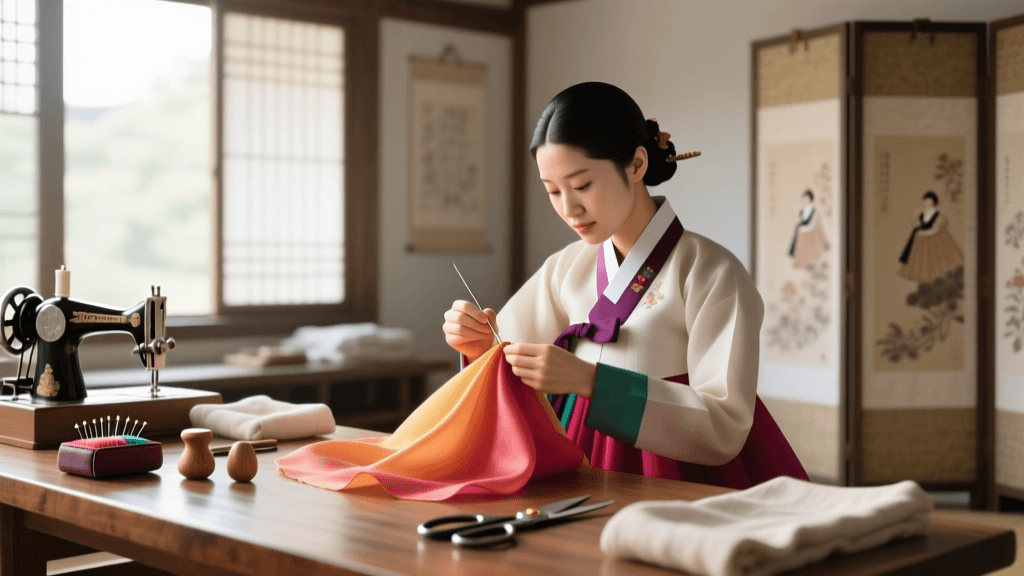
The global fascination with Korean culture has reached new heights in 2026, moving beyond screen consumption into hands-on cultural preservation. For textile enthusiasts, fashion students, and heritage artisans, learning to construct a traditional Hanbok is no longer just a niche hobby—it is a rigorous, deeply rewarding discipline. Seoul remains the undisputed epicenter for this craft, offering a blend of centuries-old techniques and modern pedagogical approaches. Whether you are looking to master the elegant curves of the jeogori (upper garment) or the structural pleating of the chima (skirt), the city’s workshops and seminars provide unparalleled access to master tailors.
The Renaissance of Handcrafted Hanbok in 2026
In 2026, the traditional garment sector in South Korea is experiencing a renaissance driven by sustainable fashion and slow-craft movements. According to recent cultural reports from the Cultural Heritage Administration of Korea, there has been a 40% increase in domestic and international enrollments in state-sponsored traditional craft seminars over the past two years. Modern makers are not merely replicating historical garments; they are learning how to adapt traditional flat-pattern cutting and zero-waste sewing techniques to contemporary eco-textiles. Workshops now frequently incorporate digital archiving and 3D body scanning to help students understand how historical proportions translate to modern bodies, all while maintaining the integrity of hand-sewn hidden stitches (kkokki-jil).
Top In-Person Hanbok Making Workshops in Seoul
Finding the right seminar depends on your current skill level and your specific area of interest within Hanbok construction. Here are the premier institutions offering classes in 2026.
1. Korea Craft & Design Foundation (KCDF) Artisan Masterclasses
The KCDF continues to lead the way in preserving intangible cultural assets. Their 2026 Spring and Autumn cohorts offer a rigorous 12-week masterclass focused exclusively on the jeogori. Students learn the precise geometry of the baerae (the curved underarm seam) and the traditional drafting of the goreum (chest ties). The seminar is taught by designated Human Cultural Treasures, ensuring that the oral traditions and unspoken rules of fabric tension are passed down. The curriculum also covers the selection and preparation of myeongju (traditional silk), teaching students how to manipulate the fabric's grain to achieve the signature structural stiffness without the use of modern synthetic interfacing.
2. Bukchon Hanok Village Intensive Sewing Retreats
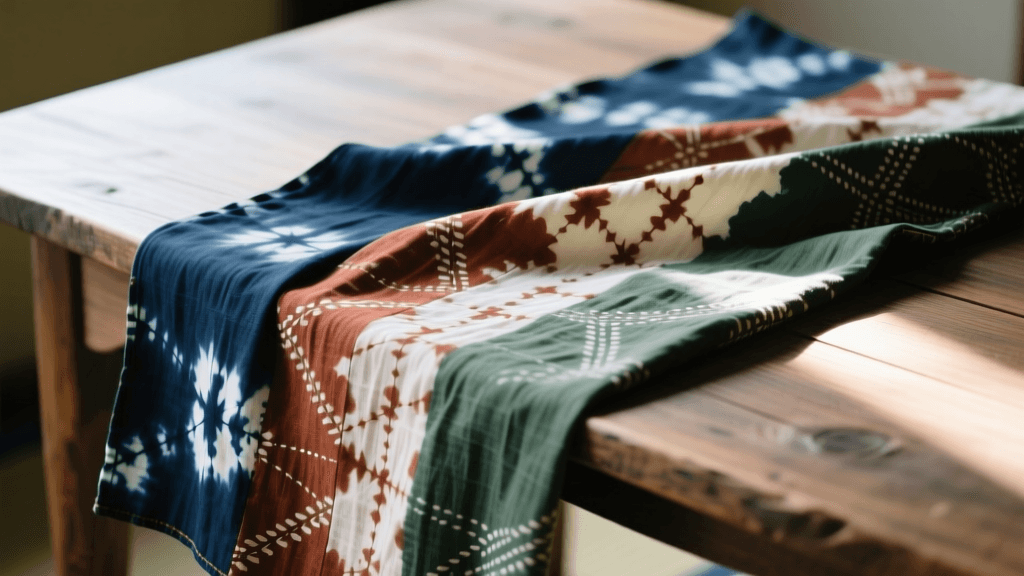
For those seeking an immersive, atmospheric experience, the boutique studios nestled within the Bukchon Hanok Village offer intensive weekend and month-long retreats. These workshops focus heavily on natural dyeing (jang-yeon) and the construction of the chima. In 2026, these studios have partnered with local botanical gardens to source organic indigo and persimmon tannins, allowing students to dye their own ramie and cotton before cutting. The pleating techniques taught here rely on traditional wooden pressing boards and steam, a physically demanding but deeply authentic process that results in skirts with unparalleled drape and longevity.
3. Sejong University Traditional Textile Seminars
Geared towards fashion design students and academic researchers, Sejong University’s continuing education department hosts bi-annual seminars on historical court garments. The 2026 syllabus focuses on the hwarot (princess's ceremonial robe) and the intricate embroidery techniques required for royal insignias. While you may not complete a fully embroidered robe in a single semester, the seminar provides access to the university’s digital textile library, allowing students to study high-resolution macro scans of Joseon-era artifacts. This academic approach bridges the gap between historical theory and practical pattern drafting.
Workshop Comparison Chart: Finding Your Perfect Fit
To help you navigate the options available this year, we have compiled a comparison of the top three Seoul-based programs based on current 2026 data provided by the Seoul Metropolitan Government cultural initiative.
| Workshop / Seminar | Duration | Estimated Cost (2026) | Skill Level | Primary Focus Area |
|---|---|---|---|---|
| KCDF Artisan Masterclass | 12 Weeks (Part-time) | ₩2,400,000 | Intermediate to Advanced | Jeogori drafting, hidden stitches, silk manipulation |
| Bukchon Hanok Retreat | 4 Weeks (Intensive) | ₩1,800,000 | Beginner to Intermediate | Natural dyeing, Chima pleating, Ramie sewing |
| Sejong University Seminar | 16 Weeks (Academic) | ₩1,200,000 | Advanced / Academic | Court garments, historical embroidery, pattern theory |
Essential Tools for the 2026 Hanbok Student
While most seminars provide basic materials, serious students attending workshops in 2026 are expected to bring their own specialized toolkit. Investing in these items will significantly improve your learning curve:
- Dongjin Curved Shears: Traditional Korean tailoring requires specialized curved-blade scissors to navigate the sweeping arcs of the baerae and the circular cuts of the chima waistbands. Forged in Seoul, these shears are a mandatory investment.
- Hansan Ramie Thread: Machine-spun polyester threads will ruin the drape of traditional fabrics. Authentic Hansan ramie thread, prized for its tensile strength and natural sheen, is the standard for basting and permanent hand-sewing.
- Smart-Measure Laser Tape: While traditional bamboo rulers are still used for pattern drafting on the floor, modern 2026 workshops encourage the use of digital laser measuring tapes to ensure exact symmetry when calculating the complex overlapping ratios of the jeogori front panels.
- Bone Folders and Wooden Creasers: Essential for sharpening the edges of the dongjeong (the removable white paper collar) and pressing seams open without the direct heat of a modern iron, which can scorch delicate silks.
Hybrid and Online Seminars for Global Makers
Not everyone can relocate to Seoul for a month-long retreat. Fortunately, the infrastructure for hybrid learning has matured significantly. The Korea Tourism Organization has actively promoted virtual cultural exchanges, leading to the development of high-quality online seminars. Institutions now offer synchronous virtual masterclasses where international students receive a curated "Hanbok Maker’s Box" shipped globally. These boxes include pre-cut myeongju silk, natural dyes, and traditional needles. Through multi-angle 4K camera setups in the Seoul studios, remote students can watch the master’s hand movements in real-time, asking questions about thread tension and needle angles via live translation software.
Practical Tips for Enrolling and Attending in 2026
Securing a spot in these highly sought-after workshops requires foresight. The KCDF masterclasses, for instance, open their 2026 applications in November of the preceding year and fill up within 48 hours. Here is how to ensure your enrollment:
- Prepare a Portfolio: For advanced seminars like Sejong University, you must submit a portfolio demonstrating basic hand-sewing proficiency and an understanding of flat-pattern drafting.
- Visa and K-ETA Considerations: International students attending intensive month-long retreats should verify their visa status. While a standard tourist visa or K-ETA covers short cultural experiences, engaging in a formalized, multi-month academic seminar may require a specific cultural exchange visa. Always consult the nearest Korean embassy well in advance.
- Language Barriers: While the KCDF and Sejong University offer English translation assistants for international cohorts, the Bukchon boutique retreats are often conducted entirely in Korean. Hiring a local textile translator or utilizing real-time AI translation earbuds (which have become standard in 2026) is highly recommended for these intimate settings.
- Physical Preparation: Traditional Hanbok making is physically demanding. Floor-sitting for hours while drafting patterns, combined with the repetitive motion of hand-stitching thick layers of ramie, requires physical stamina. Incorporate hand-strengthening and stretching exercises into your routine before the workshop begins.
Conclusion: Stitching the Future of Heritage
Learning to make a traditional Hanbok in 2026 is an act of cultural stewardship. The workshops and seminars in Seoul offer more than just sewing lessons; they provide a profound connection to the philosophy of Korean aesthetics, where the beauty of the garment lies in its relationship with the wearer's body and the natural world. Whether you are pressing a pleat with a wooden board in a Bukchon hanok or drafting a baerae curve in a modern KCDF studio, you are participating in a living tradition that continues to evolve while honoring its roots.