Top Seoul Hanbok Sewing Workshops for Beginners in 2026
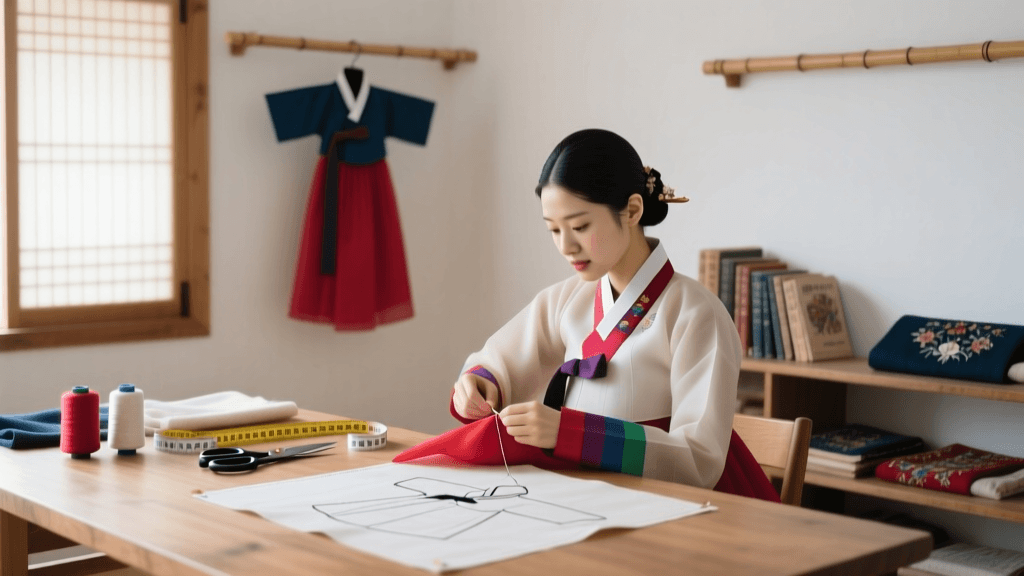
The Global Resurgence of the Hanbok in 2026
The traditional Korean garment, known as the hanbok, has experienced a monumental global resurgence. Driven by international media, K-drama historical epics, and a renewed interest in sustainable, slow fashion, the demand for authentic hanbok construction skills has skyrocketed. In 2026, learning to sew a hanbok is no longer just a niche historical pursuit; it is a vibrant, living craft that bridges centuries of East Asian textile tradition with modern sartorial elegance. For enthusiasts and aspiring designers, attending specialized workshops and seminars in Seoul offers an unparalleled opportunity to master the intricate geometry, hidden stitching, and flowing silhouettes that define this iconic attire.
Why Seoul is the Ultimate Destination for Hanbok Seminars
While you can find introductory sewing classes worldwide, Seoul remains the undisputed epicenter for authentic hanbok education. The city provides direct access to master artisans, specialized textile markets like Dongdaemun and Gwangjang, and government-backed cultural initiatives aimed at preserving intangible heritage. In 2026, the Korea Tourism Organization has heavily promoted cultural immersion tourism, resulting in a wider array of English-friendly, short-term sewing seminars tailored specifically for international students. Whether you are interested in the voluminous chima (skirt) or the structurally complex jeogori (jacket), Seoul’s workshops provide the historical context and technical rigor necessary to create garments that are both historically accurate and beautifully constructed.
Top 3 Seoul Hanbok Sewing Workshops for Beginners
Selecting the right seminar is crucial for a beginner. The following three institutions represent the gold standard for introductory hanbok making in 2026, offering structured curricula, expert instruction, and comprehensive material kits.
1. Korea Craft & Design Foundation (KCDF) Masterclasses
The Korea Craft & Design Foundation regularly hosts seasonal masterclasses that focus on the intersection of traditional crafts and contemporary design. Their beginner hanbok seminars are highly sought after, typically running for four consecutive weekends. Students learn the foundational principles of traditional Korean flat-pattern drafting, which relies on straight lines and geometric gussets rather than the curved darts of Western tailoring. The 2026 spring cohort specifically focuses on the everyday hanbok (saenghwal hanbok), teaching students how to construct a practical, modernized jeogori using breathable ramie and cotton blends.
2. Bukchon Hanok Village Artisan Seminars
Nestled in Seoul’s historic Bukchon Hanok Village, this boutique workshop offers an intimate, highly traditional learning environment. Limited to just eight students per session, the Bukchon seminars emphasize the meditative, hand-sewn aspects of hanbok creation. Instructors here are often recognized cultural heritage practitioners. You will learn the art of chim (hand-sewing with traditional needles), mastering the invisible backstitch that gives high-end hanbok its seamless, flowing appearance. The curriculum heavily features silkworking, teaching beginners how to handle slippery, delicate fabrics without puckering the seams.
3. DDP Textile & Tradition Short Courses
Located in the architectural marvel of the Dongdaemun Design Plaza, these short courses are perfect for travelers who want an intensive, three-day immersion. The DDP seminars leverage the nearby Dongdaemun fabric markets, taking students on guided sourcing tours before returning to the studio to cut and sew. The 2026 syllabus introduces digital measuring tools alongside traditional jacheok (rulers), appealing to a tech-savvy generation of makers. Students leave with a completed, fully lined chima and a foundational understanding of color theory based on the traditional Korean Obangsaek (five directional colors) palette.
2026 Workshop Comparison Chart
To help you choose the right program, here is a detailed comparison of the top Seoul hanbok workshops available in 2026.
| Workshop Name | Duration | Estimated Cost (2026) | Primary Focus | Language Support |
|---|---|---|---|---|
| KCDF Masterclasses | 4 Weekends | 450,000 KRW (~$330 USD) | Modernized Saenghwal Hanbok | Korean / English Translation |
| Bukchon Artisan Seminars | 2 Weeks | 850,000 KRW (~$620 USD) | Traditional Hand-Sewn Silk | Korean (Interpreter Available) |
| DDP Short Courses | 3 Days | 280,000 KRW (~$205 USD) | Chima Construction & Sourcing | English / Korean |
Core Curriculum: What to Expect in Your First Seminar
Regardless of which workshop you choose, a beginner seminar will universally cover the foundational anatomy of the hanbok. The construction philosophy is radically different from Western garment making; it is based on zero-waste principles, utilizing rectangular and triangular panels that preserve the integrity of the woven cloth.
Drafting and Pleating the Chima
The chima is the voluminous wrap skirt that defines the female hanbok silhouette. Beginners will learn how to calculate the precise fabric yardage—typically requiring 3.5 to 4 meters of material for a standard hem circumference. You will be taught the meticulous art of knife-pleating, using steam and traditional wooden clamps to set the folds permanently into the waistband (malgi).
Constructing the Jeogori
The jeogori (upper jacket) is a masterclass in structural geometry. Seminars will guide you through drafting the baerae, the distinctive curved underarm gusset that allows for unrestricted arm movement while maintaining a smooth shoulder line. You will also learn to attach the dongjeong, the stiff, white detachable paper or fabric collar that frames the face and provides a crisp contrast to the colorful silk of the jacket.
Mastering the Goreum
No hanbok is complete without the goreum, the long, flowing chest ties. In your workshop, you will learn not only how to sew the goreum with perfectly hidden stitches but also the precise, asymmetric knotting technique required to tie it correctly. The length, width, and knot placement are strictly governed by traditional aesthetics, and mastering the tie is often considered the final rite of passage for a beginner.
Essential Tools for Traditional Korean Garment Making
While most 2026 workshops provide a comprehensive starter kit included in your tuition, serious students often prefer to assemble their own tools. If you are preparing for a seminar, consider acquiring the following specialized items:
- Traditional Gawi (Shears): Heavy-duty, carbon-steel fabric shears designed to cut through multiple layers of stiff silk and ramie without fraying the edges.
- Jacheok (Measuring Ruler): While metric tapes are standard, understanding the traditional Korean proportional measuring system helps in reading historical patterns and drafting the jeogori collar accurately.
- Silicone Thimbles and Needle Threaders: Hand-sewing the dongjeong requires pushing fine needles through densely layered starched fabrics; a high-quality ergonomic thimble is essential to prevent finger fatigue.
- Beeswax Thread Conditioner: Used to coat silk threads before hand-sewing, preventing tangling and reducing friction when pulling stitches through delicate textiles.
Practical Tips for International Attendees
Attending a sewing seminar in a foreign country requires some logistical preparation. First, ensure your visa allows for short-term recreational study; standard tourist visas in South Korea generally cover hobby workshops under 90 days. Second, while institutions like the DDP offer robust English support, smaller artisan studios in Bukchon may require you to bring a translation app or hire a local interpreter. Finally, factor in the cost of shipping your finished garments and heavy fabric bundles back home, as international luggage weight limits on airlines like Korean Air and Asiana can quickly be exceeded by a fully lined silk hanbok.
Conclusion
Learning to construct a hanbok is a deeply rewarding journey that connects you to centuries of Asian textile heritage. The workshops and seminars available in Seoul in 2026 offer an unprecedented level of accessibility for international beginners, combining ancient techniques with modern pedagogical tools. Whether you are drawn to the architectural drafting of the jeogori or the sweeping elegance of the chima, enrolling in a Seoul-based masterclass is the definitive first step toward mastering the art of traditional Korean garment making.