2026 Schuhplattler Dance Costumes: Authentic Bavarian Folk Wear Guide
The Living Heritage of Schuhplattler and Alpine Tracht
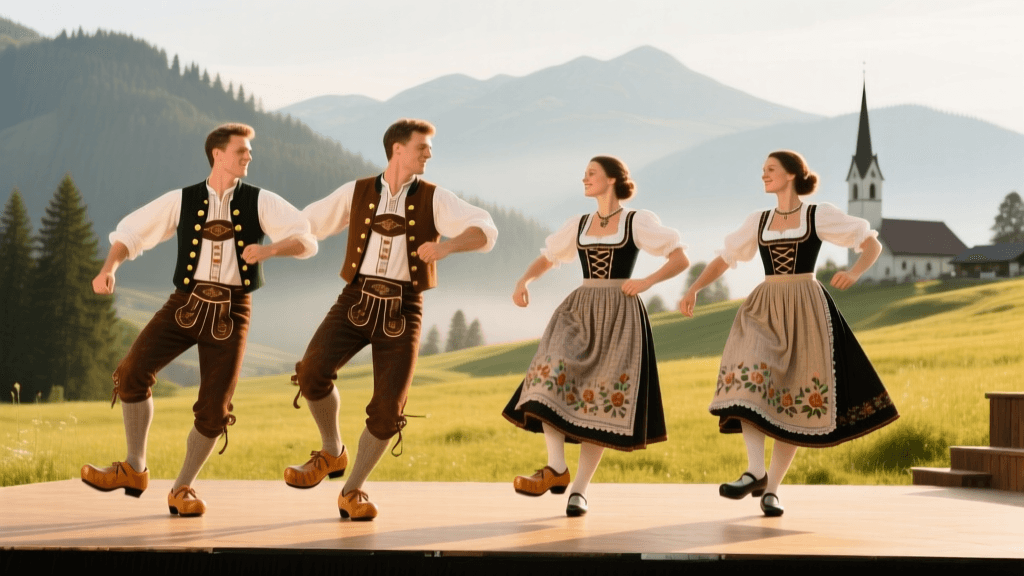
The Schuhplattler is far more than a simple folk dance; it is a rhythmic, percussive expression of Alpine heritage that demands both physical endurance and sartorial authenticity. Originating in the Bavarian and Austrian Alps, this traditional courtship dance involves vigorous stomping, thigh-slapping, and acrobatic leaps. As we navigate the 2026 festival season, from the grand tents of Munich to the village squares of Garmisch-Partenkirchen, the demand for historically accurate, performance-ready Tracht (folk costume) has reached an all-time high. According to the official Bavarian tourism board, the revival of regional Gebirgstracht (mountain costume) has led to a renaissance in bespoke tailoring, with younger generations investing heavily in heritage garments that honor their ancestors.
For folk dance troupes and festival enthusiasts in 2026, wearing a mass-produced, tourist-grade costume is not just a fashion faux pas; it is a functional hazard. The biomechanics of the Schuhplattler require garments that can withstand extreme friction, allow for a full range of motion, and produce the correct acoustic resonance during the 'Plattln' (slapping) sequences. This comprehensive guide breaks down the exact specifications, materials, and 2026 sourcing standards for authentic Schuhplattler costumes.
The Biomechanics of the Plattler: Why Material Matters
When a male dancer strikes his thighs, knees, and calves during a Schuhplattler routine, the force generated is substantial. The traditional garment worn for this is the Lederhosen (leather breeches). However, not all leather is created equal. In 2026, master tailors and cultural preservationists emphasize the exclusive use of Hirschleder (roe deer leather) or high-grade Sämischleder (chamois-tanned leather) for performance wear.
Cowhide, while durable and cheaper, is too rigid and heavy. It restricts the high kicks required in the 'Schnadahüpfl' routines and fails to produce the sharp, cracking sound that defines the dance's acoustic rhythm. Hirschleder, tanned using traditional brain-tanning or eco-friendly aldehyde methods, is incredibly soft, breathable, and possesses a unique tensile strength. When slapped, authentic Hirschleder acts almost like a drum skin, amplifying the percussive beat of the dance. Furthermore, the Trachteninformationszentrum in Benediktbeuern notes that historically accurate vegetable and chamois tanning processes are vital for maintaining the cultural integrity of the garment, a standard that top-tier Bavarian ateliers are strictly enforcing in 2026.
Anatomy of the 2026 Performance Lederhosen
A performance-grade Lederhosen is a marvel of functional tailoring. For the 2026 festival circuit, dancers are commissioning garments with specific structural reinforcements tailored to their troupe's regional style (such as the Miesbacher or Werdenfelser Tracht).
Key Structural Elements:
- The Latze (Front Flap): The iconic drop-front flap must be securely buttoned but allow for deep squats and lunges. In 2026, bespoke tailors are using reinforced horn buttons and hidden interior leather loops to prevent the flap from bouncing awkwardly during high-impact stomps.
- The Bund (Waistband): Unlike modern trousers, authentic Lederhosen sit higher on the natural waist. This prevents the leather from cutting into the hips during the 'Drehen' (spinning) and lifts the dancer's center of gravity.
- Hosenträger (Suspenders): The suspenders cross at the back and feature a decorated chest piece (Steg). For dancers, the Steg is often left unadorned or minimally embroidered to prevent the embroidery threads from snapping due to chest expansion during heavy breathing.
- Stickerei (Embroidery): Hand-stitched floral and faunal motifs (Edelweiß, Enzian, Hirschen) are executed using twisted silk or linen thread. Machine embroidery is strictly avoided in authentic Tracht circles, as it lacks the three-dimensional texture and historical accuracy demanded at modern Gaufeste (regional festivals).
Pricing for bespoke, hand-embroidered Hirschleder Lederhosen in 2026 typically ranges from €1,800 to €3,500, reflecting the hundreds of hours of artisanal labor and the ethical sourcing of Alpine deer hides.
The Tänzerin Dirndl: Engineering for the Spin
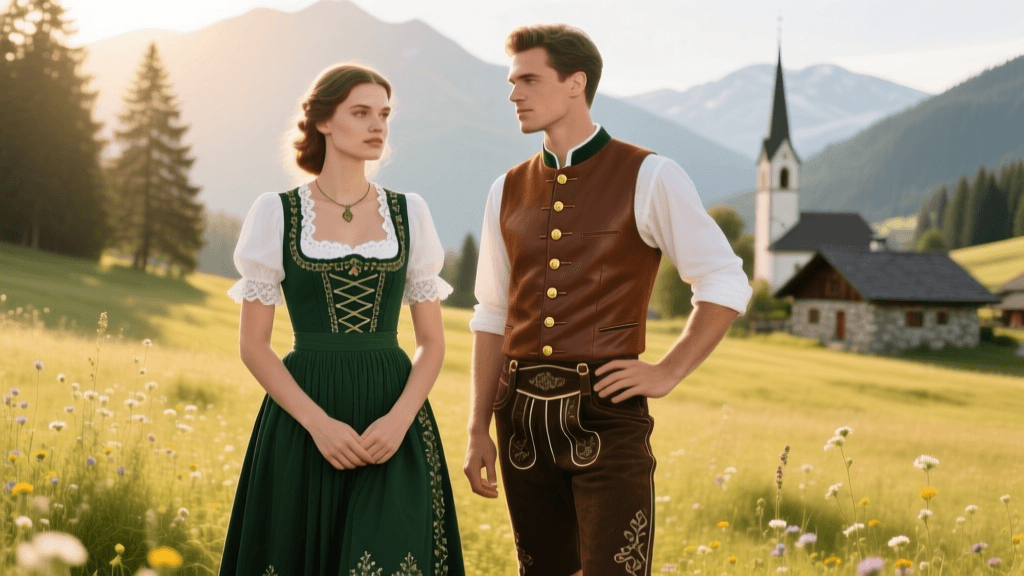
While the male dancers provide the percussive rhythm, the female dancers (Tänzerinnen) provide the visual spectacle and melodic grace of the Schuhplattler. The traditional Dirndl worn for folk dance is fundamentally different from the commercialized 'festival Dirndls' sold in fast-fashion boutiques. A performance Dirndl is engineered for centrifugal force and breath control.
The Mieder (Bodice)
The bodice must be heavily structured with internal boning to support the back during vigorous spinning, yet it must not compress the ribcage. In 2026, contemporary Tracht makers are utilizing flexible, bio-resin boning and organic hemp canvas interlinings to provide structure without sacrificing the dancer's ability to take deep breaths. The neckline is traditionally high or modestly scooped, fastening with silver or horn hooks (Miederhaken) laced with a silk ribbon.
The Rock (Skirt) and Falten (Pleats)
The most critical element of the Tänzerin's costume is the skirt. To achieve the iconic 'bell' shape when spinning, the skirt must be cut on the bias or feature deep, hand-pressed cartridge pleats (Faltenrock) at the waistband. A standard 2026 performance skirt uses between 3 to 5 meters of mid-weight wool or sustainable Tencel-linen blends. The hem is often weighted with a subtle velvet band (Besatzband) to ensure the skirt flares outward predictably and safely, avoiding tangling with the male dancer's legs during close-proximity routines.
The Schürze (Apron)
The apron is tied with a traditional bow, the placement of which historically signaled marital status. For dancers, the apron is pinned discreetly at the side seams to prevent it from flying up and obscuring the skirt's embroidery during rapid spins.
Footwear: Haferlschuhe and Stage Grip
No Schuhplattler costume is complete without the proper footwear. The traditional Haferlschuh is a robust, side-laced leather shoe originally designed for Alpine hunting and forestry. For the dance floor, the sole construction is paramount.
In 2026, specialized cobblers in Upper Bavaria produce 'Tanz-Haferlschuhe' featuring a stacked leather heel and a nailed leather sole. The nails are not merely decorative; they provide the necessary metallic 'click' when the dancer strikes their heels together in the air. However, for dancers performing on modern, polished wooden stages or temporary festival platforms, cobblers are now integrating discreet, high-friction rubber micro-pads on the ball of the foot to prevent catastrophic slips during the rapid stomping sequences. Calf warmers (Loferer or Stutzen) made from ribbed loden wool complete the silhouette, protecting the calves from the friction of the Lederhosen cuffs.
2026 Festival Calendar & Tracht Preparation Timeline
Preparing a bespoke Tracht ensemble takes time. Master tailors often have waitlists spanning several months. Below is a strategic timeline for dancers preparing for the major 2026 Bavarian folk dance festivals.
| Festival / Event | 2026 Dates | Costume Focus | Prep Timeline |
|---|---|---|---|
| Maibaumaufstellen (Maypole Dance) | May 1, 2026 | Werktagstracht (Everyday Work Tracht), lighter fabrics, floral accents. | Order by January 2026 |
| Gaufest (Bavarian Alps Regional) | July 12-14, 2026 | Strict regional Gebirgstracht, heavy Hirschleder, historically accurate embroidery. | Order by November 2025 |
| Oktoberfest (Munich) | Sept 19 - Oct 4, 2026 | Festtracht (Festival Wear), silk Dirndls, premium accessories, Gamsbart hats. | Order by March 2026 |
| Almabtrieb (Alpine Cattle Drive) | Late Sept 2026 | Weather-resistant Loden wool, practical Haferlschuhe, layered warmth. | Order by April 2026 |
For those traveling to Munich, Munich Tourism highly recommends securing accommodation and finalizing Tracht fittings at least six months in advance, as the city's population swells by millions, and local alteration shops become completely booked by late August.
Sourcing Authentic Tracht: Master Tailors vs. Mass Production
The market for Bavarian folk wear is heavily saturated with imported, mass-produced costumes that lack historical accuracy and structural integrity. In 2026, the cultural consensus among Trachtenvereine (folk costume societies) is a strict rejection of synthetic fabrics, glued-on embroidery, and plastic hardware.
Authentic garments should be sourced from established ateliers in Munich, such as Lodenfrey or Angermaier, or directly from regional master tailors (Trachtenschneider) in villages like Miesbach, Garmisch, and Berchtesgaden. When commissioning a piece, expect a minimum of three fitting sessions: the initial measurement, the 'Anprobe' (muslin or unfinished leather fitting), and the final adjustment. This meticulous process ensures that the garment moves as a second skin, vital for the athletic demands of the Schuhplattler.
Preserving the Rhythm of the Alps
The Schuhplattler is a dialogue between the human body and the Alpine landscape, translated through rhythm, leather, wool, and silk. As we celebrate the 2026 festival season, investing in authentic, responsibly crafted Tracht is an act of cultural preservation. It ensures that the crack of the Hirschleder and the flare of the Faltenrock continue to echo through the valleys of Bavaria, honoring the generations of dancers who stomped these same wooden floors before us.
'Tracht is not a costume you wear to play a part; it is the skin of your heritage, woven and stitched by the hands of your homeland.' — Traditional Bavarian Tailor's Proverb.