2026 Sashiko and Boro Luxury Footwear Collaborations
The Renaissance of Japanese Textile Arts in Global Footwear
In the current 2026 fashion landscape, the intersection of heritage craftsmanship and contemporary streetwear has reached an unprecedented zenith. Nowhere is this more evident than in the realm of luxury footwear, where traditional Japanese textile techniques are being elevated from historical artifacts to highly coveted, globally traded commodities. International design houses and boutique Japanese labels are increasingly looking to the rural traditions of the Tohoku region to inform their 2026 collections. By integrating centuries-old methods into modern sneaker silhouettes and luxury boots, brands are offering consumers a tactile, sensory experience that mass-produced footwear simply cannot replicate. This year, the focus has shifted heavily toward the meticulous application of Sashiko stitching and Boro patchwork, transforming functional footwear into wearable art.
Decoding Sashiko and Boro: From Peasant Necessity to 2026 Luxury
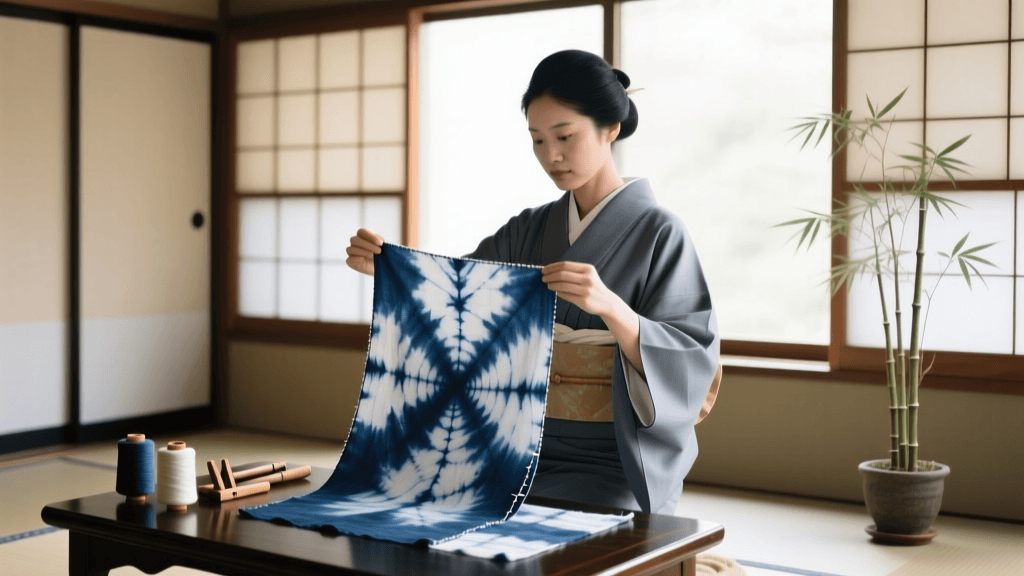
To understand the premium placed on these 2026 releases, one must first appreciate the historical and spiritual weight of the textiles. Boro, derived from the Japanese word 'boroboro' meaning tattered or repaired, originated in the Aomori prefecture during the Edo period. Cotton and hemp were scarce in the freezing northern climates, leading rural farmers to patch and repurpose worn garments out of sheer necessity. This practice was deeply rooted in the Zen concept of 'mottainai'—a profound sense of regret concerning waste. According to the Victoria and Albert Museum's textile archives, these layered, indigo-dyed textiles became visual diaries of a family's history, with each patch representing a generation of wear and repair.
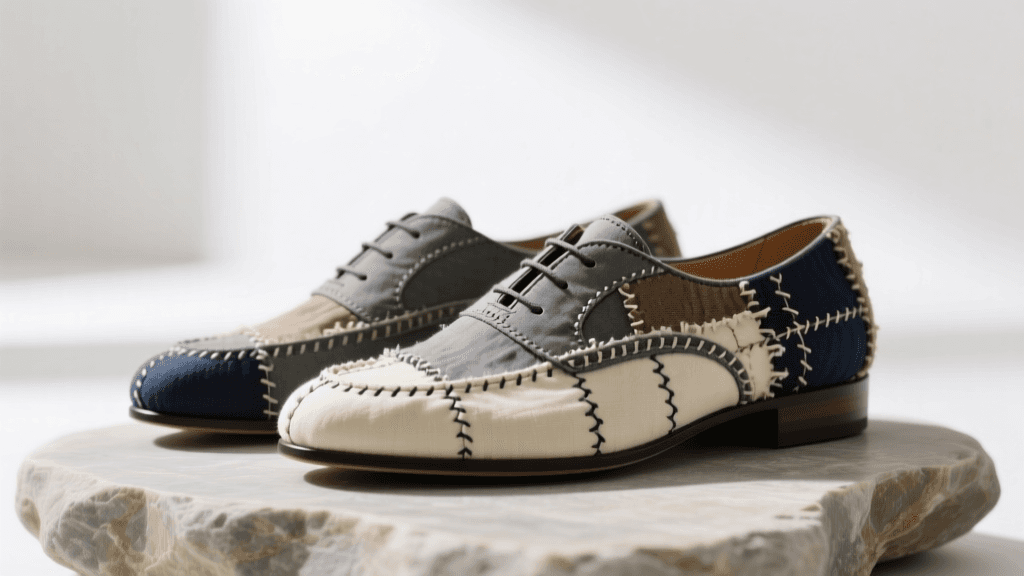
Sashiko, translating to 'little stabs,' is the functional running stitch used to secure these Boro patches. Characterized by precise, evenly spaced white cotton thread on dark indigo backgrounds, Sashiko was designed to reinforce stress points and trap insulating air between fabric layers. In 2026, luxury footwear designers are utilizing specialized Sashiko artisans who maintain a strict 3-millimeter stitch length, ensuring that the geometric patterns—ranging from 'hitomezashi' (one-stitch) grids to complex 'moyozashi' motifs—are mathematically perfect. The sensory experience of breaking in a pair of Sashiko-stitched sneakers is highly prized; the stiff, heavily layered canvas gradually molds to the wearer's foot, while the natural indigo dye slowly fades, creating a deeply personal patina over time.
Defining 2026 International Footwear Collaborations
The 2026 market is defined by a few landmark collaborations that bridge the gap between Tokyo's Harajuku district and global fashion capitals. These partnerships prioritize authentic, hand-stitched applications over machine-embroidered imitations, commanding premium price points and extensive waitlists.
Visvim x Converse Addict Japan: The 2026 Boro Chuck Taylor
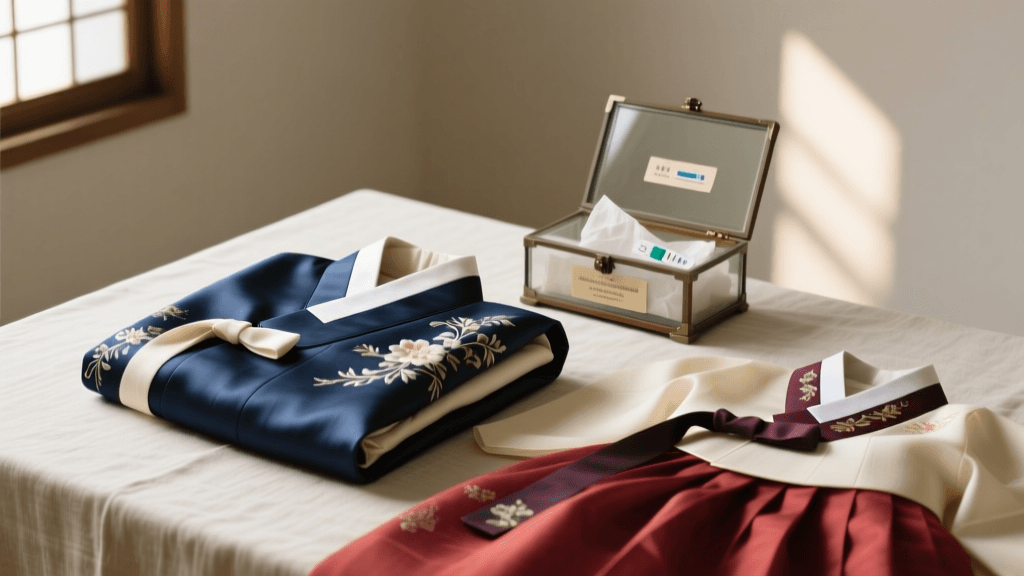
Hiroki Nakamura's Visvim has long been the vanguard of integrating traditional Asian garments into modern menswear. For the Spring/Summer 2026 season, Visvim has partnered once again with Converse Addict Japan to release the 'All-Terrain Boro Skagway.' Priced at $1,450 USD, this silhouette features a 14-ounce heavyweight selvedge canvas upper, hand-patched with vintage, naturally fermented indigo textiles sourced from Tsugaru. The vulcanized rubber outsole is reinforced with a Sashiko-stitched leather mudguard. Only 500 pairs were produced globally, with each pair accompanied by a certificate of authenticity detailing the specific artisan who executed the running stitches.
Moonstar x Kurume Artisans: Sashiko-Stitched Canvas Sneakers
Moonstar, operating out of Kurume in the Fukuoka prefecture, has dominated the 2026 vulcanized sneaker market through its 'Fine Vulcanism' collaboration with local textile guilds. Their 2026 'Sashiko-Runner' retails for $380 USD and utilizes the region's famous 'Kurume Kasuri' cotton, overlaid with reinforced Sashiko quilting. The sneaker is constructed using the traditional 'vulcanization' process, where the rubber sole is baked in a kiln at 100 degrees Celsius, bonding seamlessly with the quilted canvas. This results in a highly flexible, durable shoe that honors the region's industrial heritage while appealing to modern minimalist aesthetics.
Nike ISPA Link 2026: Sustainable Boro-Inspired Modular Design
On the more experimental end of the spectrum, Nike's ISPA (Improvise, Scavenge, Protect, Adapt) division has drawn heavily from the Boro philosophy of zero waste for its 2026 modular footwear line. The 'ISPA Link Boro' features interlocking, glue-free components that can be disassembled and replaced individually. The upper utilizes a recycled nylon patchwork system, visually echoing traditional Boro aesthetics but engineered for 2026's circular economy standards. Priced at $220 USD, this release highlights how ancient philosophies of repair and reuse are directly influencing cutting-edge, sustainable sports engineering.
2026 Market Comparison: Boro and Sashiko Footwear
For collectors and enthusiasts navigating the 2026 secondary and primary markets, understanding the distinctions between these releases is critical. The following table outlines the key specifications of this year's most prominent heritage footwear collaborations.
| Brand / Collaboration | Model Name | Primary Technique | Material Composition | 2026 Retail Price (USD) |
|---|---|---|---|---|
| Visvim x Converse Addict | All-Terrain Boro Skagway | Hand-Patched Boro & Sashiko | 14oz Selvedge Canvas, Vintage Indigo | $1,450 |
| Moonstar | Fine Vulcanism Sashiko-Runner | Moyozashi Sashiko Quilting | Kurume Kasuri Cotton, Vulcanized Rubber | $380 |
| Nike ISPA | ISPA Link Boro Modular | Boro-Inspired Patchwork System | Recycled Nylon, Interlocking TPU | $220 |
| Kapital | Century Boro Slip-On | Layered Boro & Bone Button Detailing | Denim Boro, Hemp Lining | $650 |
Collector's Guide: Sourcing and Caring for 2026 Releases
Acquiring and maintaining these artisanal footwear pieces requires specific knowledge, particularly regarding authentication and textile care. As noted by The Business of Fashion, the surge in demand for heritage crafts has unfortunately led to an increase in machine-made counterfeit textiles flooding the secondary market.
Authentication and Sourcing
- Inspect the Stitching: Authentic Sashiko will feature slight, almost imperceptible irregularities on the reverse side of the fabric, as the thread is knotted and pulled by hand. Machine embroidery will appear perfectly uniform on both sides and lack the tension variations of human craftsmanship.
- Smell the Indigo: Genuine, naturally fermented indigo (sukumo) possesses a distinct, earthy, and slightly sweet aroma. Synthetic indigo dyes often smell of harsh chemicals or have no scent at all.
- Travel to the Source: For the most exclusive 2026 drops, collectors are increasingly traveling directly to Japan. The Japan National Tourism Organization highlights specialized retail districts in Tokyo's Daikanyama and Kyoto's Nakagyo ward, where flagship boutiques receive exclusive, region-specific colorways and artisan variations not available on global e-commerce platforms.
Maintenance and Preservation
Caring for Boro and Sashiko footwear is fundamentally different from maintaining standard leather or synthetic sneakers. The goal is to preserve the integrity of the vintage textiles while allowing the natural indigo to age gracefully.
- Cleaning Protocol: Never use harsh chemical detergents or bleach, as these will strip the natural indigo and degrade the vintage cotton fibers. Instead, use a soft-bristled horsehair brush to remove dry dirt. For deeper stains, spot-clean with cold water and a specialized, pH-neutral textile soap.
- Drying: Always air-dry the footwear in a shaded, well-ventilated area. Direct sunlight will cause the indigo to fade unevenly and can cause the layered Boro patches to warp or shrink.
- Storage: Store the footwear in a breathable cotton dust bag. Avoid plastic containers, which can trap moisture and promote mildew growth—a critical risk when dealing with densely layered, organic cotton textiles.
The Future of Heritage Craftsmanship in Fashion
As we move through 2026, the integration of Sashiko and Boro into international luxury footwear represents more than just a passing aesthetic trend; it is a profound cultural exchange. By elevating these traditional Asian garments and textiles onto the global stage, contemporary designers are ensuring the survival of rural artisan guilds that might otherwise fade into obscurity. For the modern consumer, investing in these collaborations is an exercise in mindful consumption—a rejection of fast fashion in favor of garments and footwear that carry a soul, a history, and a promise of enduring beauty.