Sardinian Folk Dress 2026: Top Heritage Brands & Orbace Wool Guide
The Renaissance of Sardinian Folk Dress in 2026
European folk dress encompasses a vast array of textile traditions, but few are as meticulously preserved and fiercely celebrated as the traditional garments of Sardinia. Known locally as su costume sardo, Sardinian folk dress is not merely a relic of the past; it is a living, breathing expression of regional identity. In 2026, we are witnessing a profound renaissance in Italian regional traditional garments, driven by a new generation of heritage brands and artisan cooperatives who are adapting ancient techniques for contemporary wardrobes while maintaining strict historical accuracy.
According to the Istituto Superiore Regionale Etnografico (ISRE), the island boasts over 400 distinct variations of traditional dress, with nearly every village historically possessing its own unique sartorial code. Today, the focus has shifted toward sustainable, slow-fashion revivals. Heritage brands are reclaiming indigenous materials like orbace wool and pibiones grain weaving, positioning Sardinian textiles at the forefront of the 2026 European heritage fashion movement.
Anatomy of the Costume Sardo
To understand the modern heritage market, one must first understand the foundational garments that define Sardinian dress. The traditional costume is heavily layered, designed to reflect the wearer's village, marital status, and social standing.
Menswear: Su Gipone and Sa Berritta
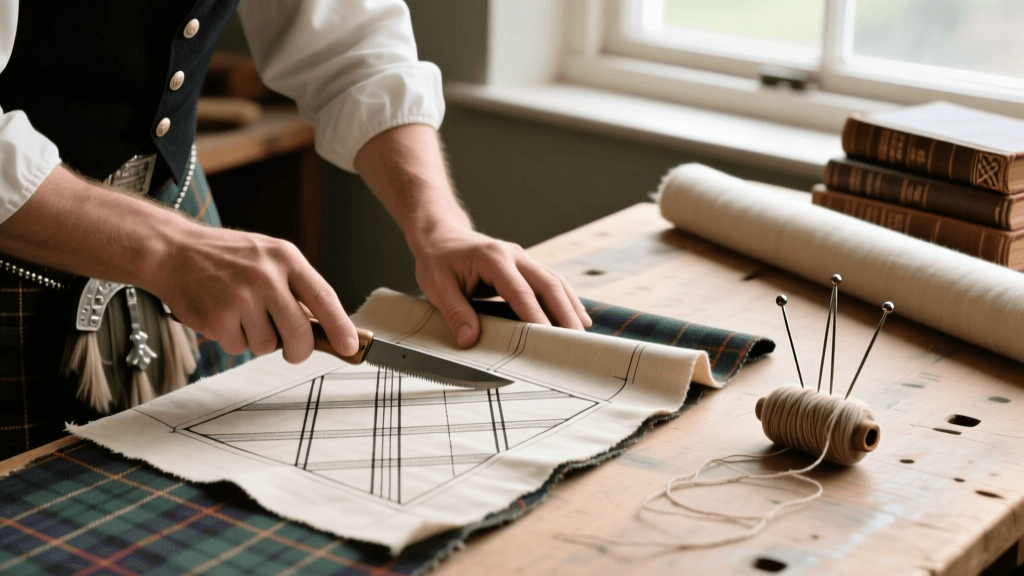
The cornerstone of traditional Sardinian menswear is su gipone, a tailored, double-breasted jacket typically crafted from dark orbace wool or velvet. In 2026, contemporary heritage tailors in Nuoro and Cagliari are producing modernized iterations of the gipone that retain the traditional velvet collar and intricate buttonwork but feature slightly relaxed silhouettes for everyday urban wear. This is paired with sa berritta, the iconic long, tubular woolen cap that can be worn upright, folded back, or draped over the shoulder depending on the occasion and the specific village's customs.
Womenswear: Sa Munnedda and Su Pannicciu
Women's traditional dress is characterized by its vibrant colors and elaborate embroidery. Sa munnedda (or gunnedda) is the heavy, pleated skirt, often bordered with silk or velvet ribbons. The bodice, su corittu, is heavily embroidered and laced over a crisp white linen chemise. The ensemble is crowned by su pannicciu or sa tiagiola, a finely woven headpiece or veil that varies dramatically in color and folding technique from the mountains of Barbagia to the coastal plains of Campidano. The official Sardegna Turismo cultural archives note that the geometric embroidery on these bodices often serves as a protective talisman, a motif that modern 2026 collections frequently adapt into subtle lapel pins and silk scarves.
Master Textiles: Orbace Wool and Pibiones Weaving
The true luxury of Sardinian heritage brands lies in their mastery of indigenous textiles. Two techniques dominate the 2026 artisan market:
- Orbace (Orbaci): A coarse, highly durable, and naturally water-resistant wool woven from the fleece of indigenous Sardinian sheep. Historically worn by shepherds, orbace is now prized by high-end heritage brands for its organic texture and sustainability. The 2026 production of orbace involves natural dyeing processes using walnut husks, saffron, and madder root, yielding rich, earthy tones that synthetic dyes cannot replicate.
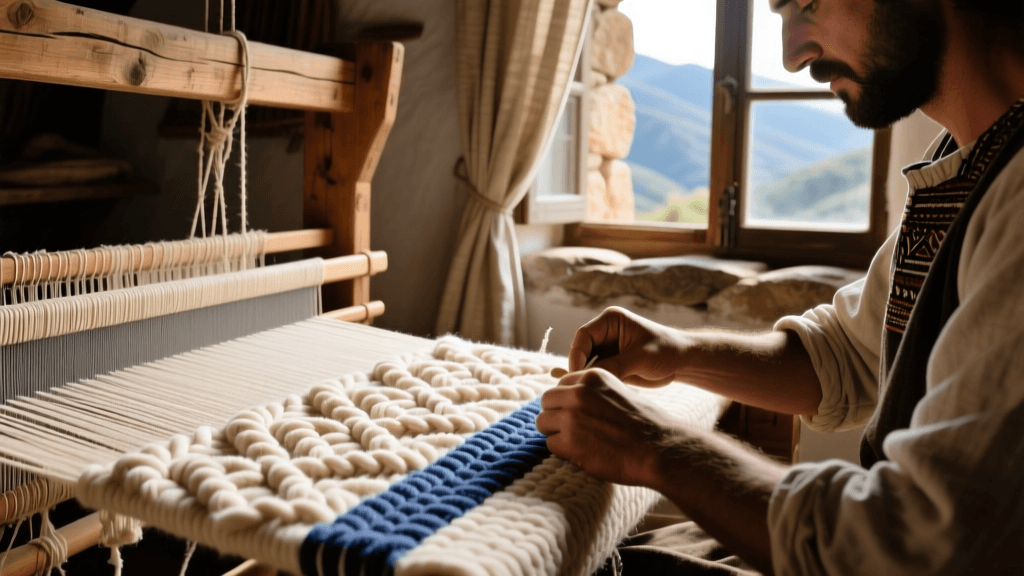
- Pibiones (Grain Weave): A highly specialized, raised-loop weaving technique that creates a textured, three-dimensional pattern resembling grains of wheat or grapes. Originating primarily in the village of Samugheo, pibiones is traditionally used for bedding and rugs. However, 2026 has seen innovative heritage weavers miniaturize the loom setups to produce pibiones textiles for luxury outerwear, tote bags, and structured vests.
- Filet Lace (Su Filet): A delicate, knotted net lace often used for veils and shawls. Artisans in towns like Teulada continue to hand-knot this lace, with a single bridal veil taking upwards of 300 hours to complete.
2026 Heritage Brands and Artisan Cooperatives
The landscape of Italian heritage brands in 2026 is defined by a collaborative approach between master weavers and modern fashion designers. Rather than mass-produced tourist souvenirs, the current market is dominated by certified artisan cooperatives and boutique heritage labels.
Cooperatives such as the Tessitura di Sarule and the Artigianato Sardo networks have implemented blockchain-backed authenticity tags in 2026. This allows consumers to scan a garment and trace the exact origin of the wool, the natural dyes used, and the name of the weaver who operated the wooden loom. This transparency aligns perfectly with the global demand for ethical, traceable luxury. Furthermore, the integration of Sardinian textiles into mainstream European fashion was highlighted at Pitti Uomo 2026, where several Milanese tailoring houses collaborated directly with Barbagian weavers to produce limited-edition orbace blazers.
2026 Sourcing and Pricing Guide
Investing in authentic Sardinian folk dress or heritage-inspired garments requires an understanding of the artisan economy. Hand-weaving is a time-intensive process, and 2026 pricing reflects the true cost of skilled labor and premium raw materials. Below is a structured guide to current market rates for authentic pieces sourced directly from Sardinian ateliers.
| Garment / Textile Type | Material & Technique | 2026 Artisan Price Range (EUR) | Custom Lead Time |
|---|---|---|---|
| Su Gipone (Traditional Jacket) | 100% Orbace Wool, Velvet Trim | €850 - €1,400 | 6 - 8 Weeks |
| Pibiones Weaver Coat | Raised-loop Grain Weave, Cotton Blend | €600 - €950 | 4 - 6 Weeks |
| Sa Munnedda (Pleated Skirt) | Heavy Wool, Silk Ribbon Binding | €450 - €700 | 3 - 5 Weeks |
| Filet Lace Bridal Veil | Hand-knotted Linen/Cotton Thread | €1,200 - €2,500+ | 4 - 6 Months |
| Sa Berritta (Woolen Cap) | Fine Merino or Orbace Blend | €80 - €150 | 1 - 2 Weeks |
Note: Prices reflect direct-to-artisan purchases in 2026. Purchasing through international luxury boutiques may incur a 40-60% markup.
Traditional Silver Filigree: Su Coccu and Sos Buttones
No Sardinian garment is complete without its accompanying metalwork. Sardinian silversmiths are renowned for their intricate filigree techniques, a skill recognized for its cultural significance by organizations tracking UNESCO Intangible Cultural Heritage frameworks.
Sos buttones are the elaborate, spherical silver buttons used to fasten the gipone and the women's bodice. In 2026, heritage jewelers in Cagliari and Sassari are offering bespoke button sets that incorporate ancient granulation techniques alongside modern, hypoallergenic silver alloys. Another vital accessory is su coccu (or sa gioia), a traditional amulet necklace made of coral, silver filigree, and glass beads, historically worn to ward off the evil eye. Modern heritage brands have adapted the su coccu motif into minimalist silver pendants and lapel pins, making this ancient protective symbol accessible for daily contemporary wear.
Preservation and Care for Heritage Garments
Owning a piece of Sardinian heritage requires specialized care, particularly for organic materials like orbace and natural dyes. To ensure your garments last for generations, follow these 2026 conservation best practices:
- Cleaning Orbace Wool: Never machine wash or dry clean orbace using harsh chemical solvents, as this strips the wool of its natural lanolin, which provides its water-resistant properties. Instead, use a specialized, pH-neutral wool wash and lay the garment flat to dry in the shade. Brushing with a natural boar-bristle brush after each wear will remove dust and restore the nap of the fabric.
- Storing Pleated Skirts: The heavy pleats of sa munnedda can lose their structure if hung improperly. Store the skirt flat in a breathable cotton garment bag with acid-free tissue paper stuffed into the pleats to maintain their crisp folds. Use natural cedar blocks instead of chemical mothballs to protect the wool.
- Polishing Filigree Silver: Sardinian filigree is incredibly delicate. Avoid ultrasonic cleaners, which can loosen the microscopic silver granules. Use a soft, untreated microfiber cloth to gently buff the silver, and store the jewelry in an anti-tarnish pouch when not adorning a garment.
Conclusion
The landscape of Italian regional traditional garments is evolving, and Sardinia stands as a beacon of how ancient textile traditions can thrive in the modern era. The 2026 revival of orbace wool, pibiones weaving, and artisanal silversmithing proves that folk dress is not confined to museum displays or annual festivals. By supporting heritage brands, weaving cooperatives, and local artisans, consumers are actively participating in the preservation of European folk dress. Whether you are investing in a bespoke gipone jacket or a hand-woven pibiones accessory, you are wearing a piece of living history, meticulously crafted on the wooden looms of Sardinia.