Sardinian Mastruca Vests & Orbace Wool: 2026 Heritage Guide
The Enduring Legacy of the Sardinian Mastruca
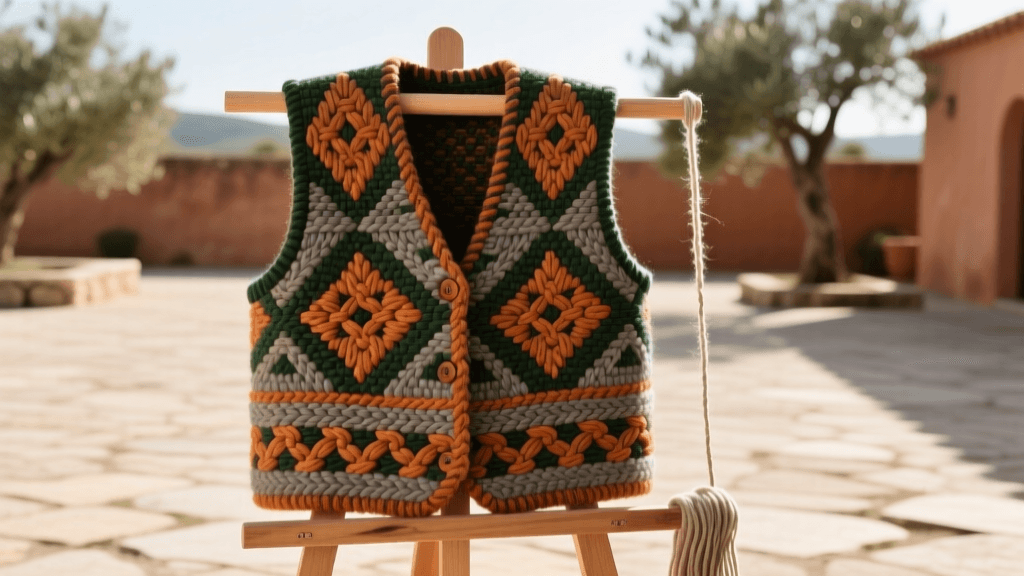
When exploring the rich tapestry of European folk dress, few garments command the same rugged reverence as the Sardinian mastruca. Originating from the mountainous interior of Barbagia, the mastruca is a traditional sleeveless vest crafted from raw sheepskin or heavy, unspun wool. Historically worn by Sardinian shepherds to withstand the biting winds of the Gennargentu massif, this garment is a masterclass in utilitarian design. Unlike the highly ornate, lace-heavy folk costumes of the Italian mainland, the mastruca represents a pastoral aesthetic rooted in survival, endurance, and a deep connection to the Mediterranean landscape.
As of 2026, the global shift toward 'quiet luxury' and heritage slow fashion has sparked a massive revival of interest in Sardinian traditional garments. Discerning collectors and sartorial enthusiasts are no longer looking for mass-produced souvenirs; they are seeking authentic, loom-woven textiles that carry the DNA of ancient European cultures. The mastruca, alongside garments woven from orbace (traditional Sardinian wool), has transitioned from a rural necessity to a highly coveted statement piece in contemporary heritage wardrobes.
Understanding Orbace: The Water-Resistant Miracle Wool
To truly appreciate Sardinian folk dress, one must understand orbace. This coarse, incredibly durable wool is derived from the indigenous Sarda sheep breed. The secret to orbace lies not just in the fiber, but in the traditional finishing process. After being woven on heavy wooden looms, the cloth is taken to a gualchiera (a traditional water-powered fulling mill). Here, the fabric is repeatedly beaten and soaked in cold river water, causing the wool fibers to mat and shrink together.
The result is a dense, felted textile that is naturally windproof and highly water-resistant, all while retaining the lanolin that gives the wool its distinctive, earthy scent. In 2026, authentic orbace is a rarity. The closure of many rural fulling mills over the last century means that true, mill-finished orbace is now produced by only a handful of heritage cooperatives. Garments made from this material—ranging from heavy winter cloaks (capoto) to tailored waistcoats—are prized for their ability to age beautifully, developing a rich patina over decades of wear.
Top Heritage Brands and Artisan Cooperatives in 2026
Sourcing authentic Sardinian garments requires navigating a network of dedicated artisan cooperatives rather than traditional retail boutiques. These organizations preserve ancient weaving techniques, natural dyeing methods (using walnut husks, pomegranate rinds, and madder root), and hand-embroidery. Below is a curated guide to the most prestigious heritage weaving cooperatives accepting commissions in 2026.
| Cooperative / Brand | Location | Signature Garment | 2026 Starting Price | Custom Wait Time |
|---|---|---|---|---|
| Artigianarte Soc. Coop. | Nuoro | Embroidered Orbace Vests | €580 | 3-4 Months |
| Tessitura Artigianale | Samugheo | Heavy Orbace Winter Coats | €850 | 5-7 Months |
| Barbagia Pastoral Artisans | Orgosolo | Traditional Sheepskin Mastruca | €420 | 2-3 Months |
| Sa Corona Arrubia | Villanovaforru | Hand-Loomed Wool Shawls | €290 | 6-8 Weeks |
For those researching the historical context of these garments before making a purchase, the Museo del Costume in Nuoro remains the paramount authority. Managed by the Istituto Superiore Regionale Etnografico (ISRE), this institution houses the most comprehensive collection of Sardinian folk dress, providing invaluable reference points for modern artisans replicating historical patterns.
How to Style Traditional Sardinian Garments Today
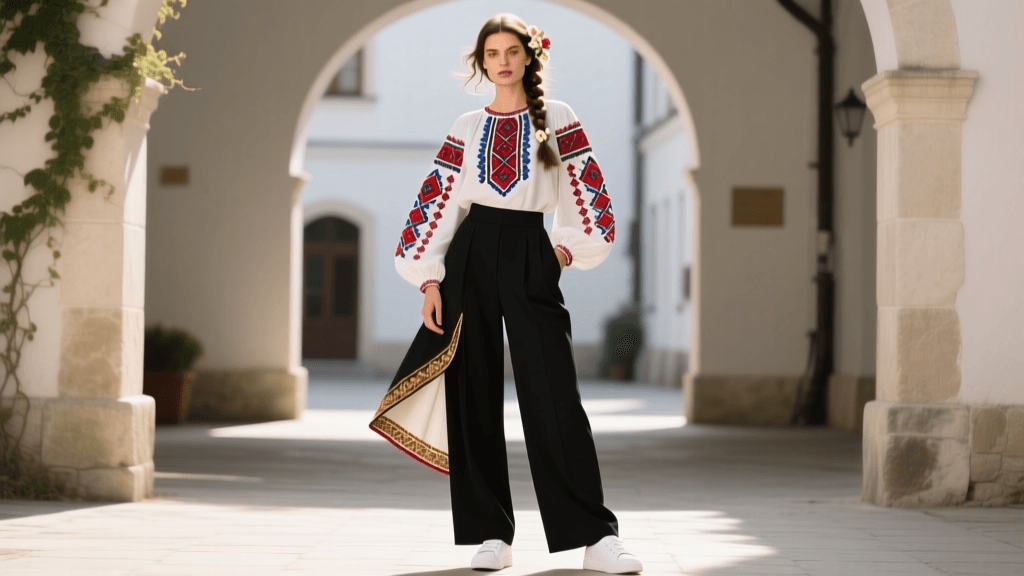
Integrating heavy, rustic folk garments into a modern 2026 wardrobe requires a balanced approach. The key is to let the texture of the orbace or the silhouette of the mastruca serve as the focal point of your outfit.
- The Modern Mastruca: Pair a cropped, black sheepskin mastruca with a lightweight, unstructured linen shirt and tailored cotton trousers. The contrast between the rugged, voluminous sheepskin and the crisp, breathable linen creates a striking visual tension perfect for transitional autumn weather.
- Orbace Shawls as Outerwear: Traditional Sardinian shawls (scialli) are large, rectangular wraps. Instead of draping them purely as scarves, belt a heavy orbace shawl at the waist over a sleek turtleneck and dark denim. This mimics the silhouette of a traditional cape while maintaining a modern, urban edge.
- Color Pairing: Sardinian textiles heavily feature deep blacks, charcoal greys, and rich burgundy accents. Complement these earthy tones with muted olive greens, navy blues, and untreated leather accessories to maintain a cohesive, heritage-inspired palette.
Caring for Orbace Wool and Sheepskin
Garments crafted from raw orbace and untreated sheepskin require specialized care. The natural lanolin present in the wool is its primary defense against moisture and odors; stripping it with harsh chemicals will ruin the garment's structural integrity.
Essential Maintenance Rules for 2026
- Never Machine Wash: The agitation and heat of a washing machine will cause the orbace to shrink catastrophically and the sheepskin leather to stiffen and crack.
- Surface Cleaning Only: Use a natural boar-bristle garment brush to remove dust and debris after every wear. Brush in the direction of the wool's natural nap.
- Spot Treatment: For localized stains, use a lanolin-rich wool wash (such as Eucalan) mixed with cool water. Gently dab the area with a microfiber cloth—never rub.
- Climate-Controlled Storage: During the warmer months, store your mastruca in a breathable cotton garment bag. Maintain a storage environment with 40-50% humidity to prevent the leather backing from drying out. Always include natural cedar blocks to deter moths, avoiding chemical mothballs which will permanently taint the wool's scent.
Sourcing Authentic Pieces: Avoiding Counterfeits
With the surge in demand for European folk dress, the market has seen an influx of mass-produced, machine-woven imitations imported from outside the Mediterranean. To ensure you are investing in genuine Sardinian heritage, look for the Marchio di Origine e Qualità (Origin and Quality Mark). This certification, issued by the Sardinian Chamber of Commerce, guarantees that the garment was handcrafted on the island using traditional methods and locally sourced materials.
Furthermore, buyers are encouraged to explore the educational resources provided by MURATS (Museo Unico Regionale Arte Tessile Sarda) in Samugheo. This specialized textile museum not only preserves historical looms but also maintains a directory of verified, master-level weavers who are authorized to sell authentic, certified orbace textiles.
The Future of Sardinian Textile Heritage
The survival of the mastruca and orbace wool relies entirely on the economic support of conscious consumers. By investing in these heritage pieces, you are not merely buying a garment; you are funding the continuation of a centuries-old pastoral tradition. As we move through 2026, the intersection of historical European folk dress and modern sustainable fashion has never been more relevant. The Sardinian shepherds of the Barbagia region may have woven these garments for survival, but today, they stand as a testament to the enduring beauty of slow, intentional craftsmanship.
'To wear orbace is to wear the landscape of Sardinia. It is the wind, the river stones of the gualchiera, and the resilience of the Sarda sheep, all bound together in the warp and weft.' — Local Artisan Proverb, Nuoro.
For those planning a sourcing trip, the official Sardegna Turismo portal offers updated itineraries for 'Textile and Craft Routes,' guiding visitors directly to the rural workshops where the rhythmic clacking of wooden looms still echoes through the mountain valleys.