Ryukyuan Ryusou and Bingata: A Guide to Okinawan Dress
The Unique Cultural Tapestry of the Ryukyu Islands
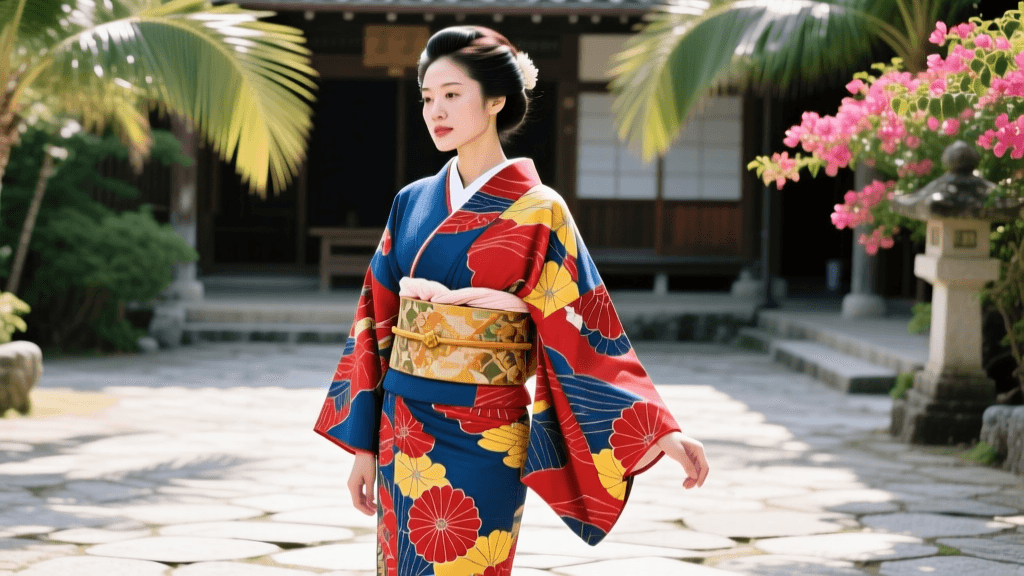
When exploring the rich tapestry of Asian traditional garments, the focus often drifts toward the mainland Japanese kimono, the Chinese hanfu, or the Korean hanbok. However, the southernmost reaches of the Japanese archipelago harbor a profoundly distinct sartorial heritage. The Ryukyu Islands, modern-day Okinawa, were once an independent kingdom that thrived as a maritime trading hub connecting China, Southeast Asia, and Japan. This unique geopolitical history birthed the Ryusou, the traditional clothing of the Ryukyuan people, characterized by its breathable fabrics, vibrant colors, and the world-renowned Bingata dyeing technique.
Unlike the heavily layered and restrictive garments of mainland Japan's Edo period, Ryukyuan dress evolved to suit a subtropical climate while simultaneously projecting the wealth and diplomatic prestige of the Ryukyu Kingdom. For cultural enthusiasts, historians, and travelers, understanding the Ryusou offers a fascinating glimpse into a minority culture that has fiercely preserved its identity against centuries of assimilation.
“The clothing of the Ryukyu people is a canvas of their maritime history, woven with the threads of China, Southeast Asia, and the Japanese mainland.” — Okinawa Prefectural Museum & Art Museum Archives
Understanding the Ryusou: Anatomy of Okinawan Formal Wear
The term Ryusou (琉装) translates literally to 'Ryukyu attire.' It encompasses a wide variety of garments worn by different social classes during the Ryukyu Kingdom era (1429–1879). The foundational silhouette of the Ryusou shares distant roots with the Chinese hanfu and the mainland Japanese kosode, but it diverges significantly in its construction, fit, and method of wear.
Key Garment Components
- Duujin (Upper Garment): The primary upper-body garment, resembling a cross-front robe. Unlike the mainland kimono, the Duujin is worn with a looser, more relaxed fit to allow air circulation in the humid subtropical climate. The collars are typically wider and do not sit as tightly against the nape of the neck.
- Kakan (Lower Garment): A wide, pleated skirt or wrap-around cloth worn by both men and women of the nobility. For women, it is often a vibrant, flowing wrap skirt that ties at the waist, while men wore a hakama-like pleated trouser or skirt depending on the formality of the court event.
- Uchikake (Outer Robe): Worn by high-ranking women and royalty, this is a lavish, unbelted outer robe featuring extravagant Bingata or woven patterns, draped elegantly over the shoulders or tied loosely.
- Hachimachi (Headwear): Men of the Ryukyuan court wore a distinctive, color-coded silk headwrap called a hachimachi. The color and the specific knotting style immediately denoted the wearer's court rank, a system heavily influenced by Ming Dynasty China.
Bingata and Bashoufu: The Textiles of the Subtropics
The soul of Ryukyuan dress lies in its textiles. Mainland Japan relied heavily on silk and hemp, but the Ryukyu Islands developed specialized weaving and dyeing techniques utilizing local flora and imported goods.
The Magic of Bingata
Bingata is a traditional resist-dyeing technique native to Okinawa. According to the Agency for Cultural Affairs in Japan, Bingata is recognized as a vital Intangible Cultural Property. The process involves cutting intricate stencils from mulberry paper, applying a rice-paste resist to the fabric, and then hand-painting vivid pigments into the negative spaces.
Historically, the colors and motifs of Bingata were strictly regulated by sumptuary laws. The royal family claimed the exclusive right to wear brilliant yellow (dyed from the fukugi tree) and deep blue (from imported indigo). Common motifs include peonies, dragons, plum blossoms, and flowing water, reflecting a blend of Chinese auspicious symbols and indigenous Okinawan nature worship.
Bashoufu and Banana Fiber
For everyday wear and the garments of the commoner class, silk was too expensive and impractical for the sweltering heat. Instead, Okinawans wove Bashoufu, a remarkably light, breathable textile made from the fibers of the Japanese fiber banana plant (Musa basjoo). The production of Bashoufu is incredibly labor-intensive, requiring the harvesting, boiling, scraping, and hand-tying of thousands of individual fibers to create a single bolt of cloth. Today, authentic Bashoufu is a rare luxury textile, highly prized by collectors and cultural preservationists.
Comparative Analysis: Ryusou vs. Mainland Japanese Kimono
To truly appreciate the distinctiveness of ethnic minority dress within Japan, it is helpful to compare the Ryusou directly with the mainland Japanese Kimono. The differences highlight how climate, trade, and social structure dictate fashion.
| Feature | Ryusou (Okinawa) | Kimono (Mainland Japan) |
|---|---|---|
| Climate Adaptation | Loose, breathable, open collars for subtropical heat. | Layered, tightly wrapped, high collars for temperate/cold seasons. |
| Primary Textiles | Bashoufu (banana fiber), cotton, lightweight silk, Bingata. | Heavy silk, wool, hemp, ramie, Yuzen dyeing. |
| Fastening Method | Tied with simple, thin sashes or woven belts; no rigid structure. | Secured with a wide, heavily structured, and complex Obi. |
| Silhouette | Flowing, A-line, emphasizing movement and air circulation. | Cylindrical, restrictive, emphasizing a straight, modest posture. |
| Color Symbolism | Strict historical hierarchy (e.g., Yellow for royalty). | Seasonal motifs, age-appropriateness, and marital status. |
Actionable Guide: Renting, Buying, and Wearing Ryusou
For travelers to Okinawa and cultural enthusiasts looking to experience Ryukyuan dress firsthand, renting a Ryusou is an incredibly popular and accessible activity. Whether you are preparing for a photoshoot at Shuri Castle or attending a traditional summer festival, here is your practical guide to sourcing and wearing authentic Okinawan attire.
1. Sizing and Measurements
Unlike the rigid tailoring required for a mainland kimono, the Ryusou is highly forgiving due to its wrap-around nature and lack of a restrictive Obi. However, rental studios will still require basic measurements to ensure the Duujin (top) and Kakan (skirt) drape correctly.
- Height: Crucial for determining the length of the Kakan. Most studio skirts are adjustable but cater to heights between 150cm and 170cm (4'11" to 5'7").
- Waist and Hips: Needed for the wrap skirt. Because the skirt wraps and ties with a thin silk cord, studios can comfortably accommodate hip measurements from 85cm to 110cm.
- Arm Span: Measured from the nape of the neck to the wrist to ensure the wide, flowing sleeves do not drag on the ground.
2. Costs and Booking Timing
When budgeting for a Ryusou experience in Naha or the northern town of Nago, expect the following price structures:
- Casual Rental (Bashoufu or Cotton): 5,000 to 8,000 JPY ($35 - $55 USD). This includes a simple top, skirt, and basic hair accessories. Ideal for walking around Kokusai Dori or visiting local shrines.
- Formal Bingata Rental: 12,000 to 25,000 JPY ($80 - $170 USD). Includes a vibrant, hand-painted Bingata silk robe, professional hair styling with traditional coral or tortoiseshell-style hairpins (jifaa), and a photoshoot session.
- Wedding Uchikake: 150,000+ JPY ($1,000+ USD). Custom or high-end vintage royal-style Ryusou for destination weddings.
Timing Advice: For casual rentals, walk-ins are often accepted in the Kokusai Dori tourist district. However, if you desire a specific, high-end Bingata pattern or are booking for a group of three or more, you must reserve 4 to 6 weeks in advance, especially during the peak tourist seasons of July-August and the cherry blossom season in January-February.
3. Where to Experience Authentic Craftsmanship
To go beyond mere rental and understand the creation of these garments, visit Shuri Ryusen, located near the historic Shuri Castle. This renowned studio is famous for inventing 'coral dyeing'—a technique that uses fossilized coral to stamp intricate, natural patterns onto textiles, alongside traditional Bingata. Visitors can book 90-minute workshops (approx. 3,500 JPY) to dye their own Bingata-style coasters or scarves, providing a tactile understanding of the resist-dyeing process.
Additionally, the Okinawa Prefectural Museum & Art Museum in Naha frequently hosts rotating exhibitions featuring Edo-period Ryusou and Bashoufu weaving demonstrations. Checking their English-language exhibition schedule before your trip is highly recommended for serious textile scholars.
Preservation and Contemporary Relevance
The survival of Ryukyuan dress is a testament to the resilience of the Okinawan people. Following the annexation of the Ryukyu Kingdom by Japan in 1879, and the subsequent devastation of World War II, much of the physical heritage of Okinawa was lost. However, the knowledge of Bingata dyeing and Bashoufu weaving was kept alive by a dedicated few who hid their stencils and looms during the war.
Today, Ryusou is experiencing a renaissance. Contemporary Okinawan fashion designers are integrating Bingata motifs into modern resort wear, aloha shirts, and even sneakers, ensuring the patterns remain relevant to younger generations. Furthermore, the annual Ryukyu Kingdom Historical Parade in Naha sees hundreds of locals donning meticulously recreated court attire, transforming the streets into a living, breathing museum.
Conclusion
The Ryusou and its accompanying textiles, Bingata and Bashoufu, represent far more than just ethnic minority dress; they are the woven archives of a sovereign maritime kingdom. By understanding the climate-driven construction, the strict historical color codes, and the meticulous craftsmanship behind these garments, we gain a profound respect for the Ryukyuan cultural identity. Whether you are studying the intricate stencil work of a royal yellow robe or simply renting a breathable cotton Duujin for a summer walk through Naha, engaging with Ryukyuan dress is an essential step in comprehending the diverse, multifaceted world of Asian traditional garments.