Romanian Ie Blouse Revival: 2026 Contemporary Styling
The Renaissance of the Romanian Ie in 2026
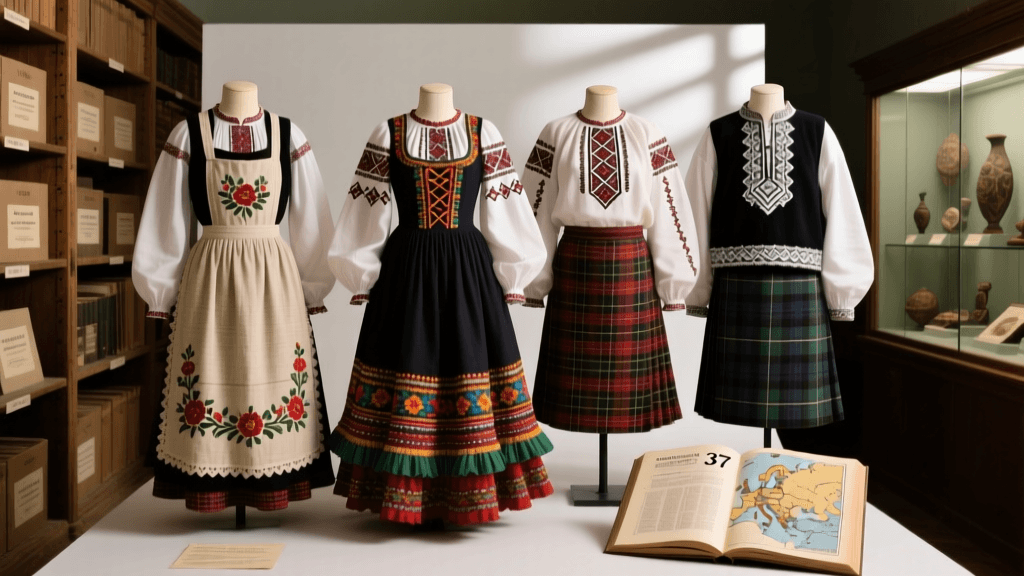
The traditional Romanian blouse, universally known as the Ie, has experienced a monumental renaissance over the past decade, culminating in a highly sophisticated integration into contemporary global fashion by 2026. No longer confined to museum archives, rural festivals, or fast-fashion approximations, the authentic, hand-embroidered Ie—specifically the iconic Altita variant from the Argeș and Muscel regions—has become a cornerstone of the sustainable luxury wardrobe. Driven by the European Union's 2026 Digital Product Passport regulations for textiles, consumers can now trace the exact lineage, artisan cooperative, and organic fiber origins of their garments, ensuring that the revival of this folk dress directly supports rural craftsmanship rather than exploitative manufacturing.
As a senior cultural garment, the Ie carries profound semiotic weight. According to the Romanian Peasant Museum, the motifs stitched into the fabric are not merely decorative; they are an ancient visual language comprising solar symbols, wheat sheaves, and geometric chains designed to offer protection and narrate the wearer's connection to the earth. Today, modern stylists and heritage enthusiasts are finding innovative ways to honor this language while adapting the garment's voluminous, romantic silhouette for the sleek, structured demands of 2026 urban life.
Anatomy of the Altita: Understanding the Canvas
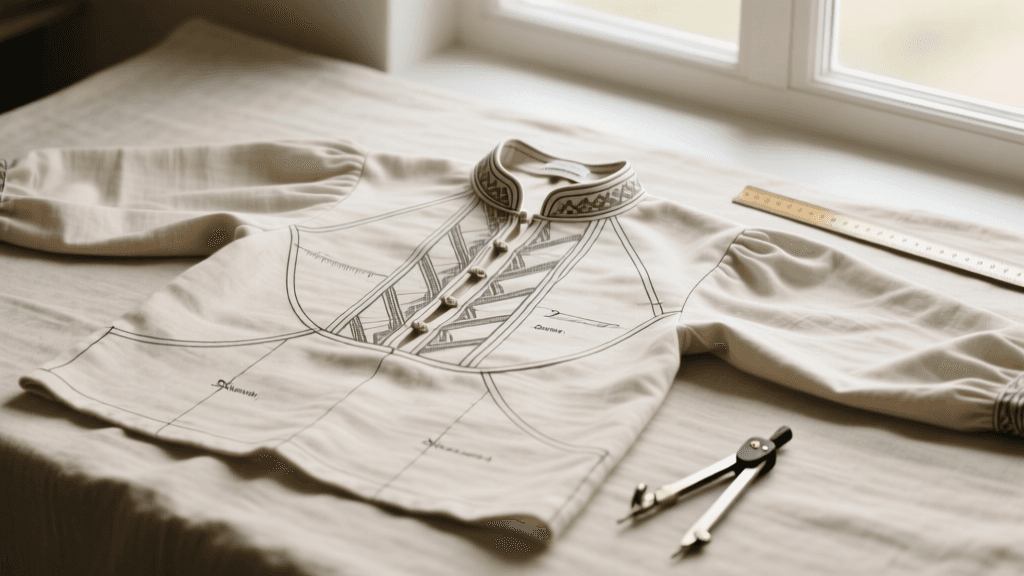
Before integrating the Ie into a contemporary wardrobe, one must understand its unique architectural construction, which differs vastly from standard Western blouse patterns. The Altita style is defined by three distinct embroidered zones:
- The Altita (The Shoulder): A dense, rectangular epaulet of embroidery sitting squarely on the top of the shoulder. This is the most complex and protected part of the design, historically meant to shield the wearer from negative energies.
- The Incret (The Gathers): A horizontal band of intricate smocking located just below the altita. This structural element gathers the fabric, allowing for the dramatic, billowing volume of the sleeve while maintaining a secure fit on the upper arm.
- The Rauri (The Rivers): Vertical or diagonal 'rivers' of embroidery that flow from the incret down to the cuff. These guide the eye downward and represent the flow of water and life force.
Understanding these zones is critical for 2026 styling, as the placement of the altita dictates how the garment interacts with modern outerwear, structured blazers, and jacket lapels.
2026 Market Trends: Sourcing Authentic Artisan Pieces
The market for authentic Romanian folk dress has matured significantly. In 2026, the most sought-after pieces are commissioned directly from certified artisan cooperatives such as the Semne Cusute (Sewn Signs) network and the Artizanat Românesc guilds. Due to the global shortage of organic, non-GMO cotton and the implementation of fair-wage mandates for heritage artisans, the pricing for authentic, hand-stitched blouses has adjusted to reflect true luxury craftsmanship.
'The inscription of the traditional art of the Romanian blouse with embroidery on the shoulder on the UNESCO Intangible Cultural Heritage list has fundamentally shifted the global perception of the garment from a simple folk costume to a protected, high-art textile tradition.' — UNESCO Intangible Cultural Heritage
When sourcing an Ie in 2026, always request the Digital Product Passport QR code, which will verify the natural dyes used (such as walnut husk for brown, woad for blue, and madder root for red) and the specific village of origin.
Contemporary Styling: Integrating the Ie into a 2026 Wardrobe
The primary challenge of styling the Ie for modern environments is balancing its inherent volume and historical romanticism with contemporary tailoring. The goal is to create a dialogue between the ancient and the avant-garde, avoiding the trap of looking like a theatrical costume.
The Modern Corporate Office
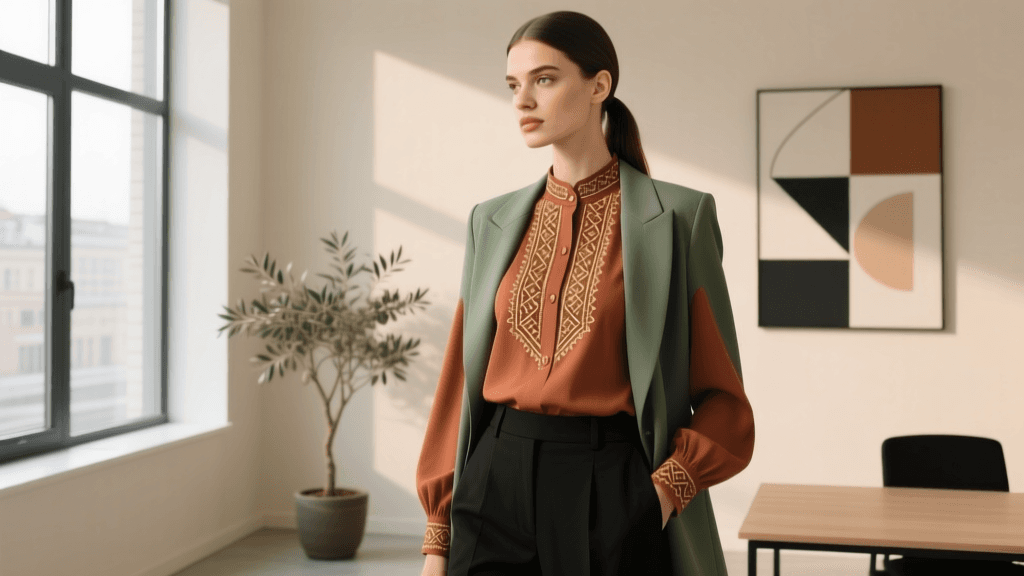
For the 2026 corporate environment, the key is severe contrast. The Ie is inherently soft, voluminous, and matte. To make it office-appropriate, pair it with sharp, structured, and dark tailoring. Select a white or unbleached organic cotton Ie with monochromatic black or deep navy altita embroidery. Tuck the blouse into high-waisted, wide-leg crepe trousers in charcoal or black. The high waistband will contain the volume of the blouse, while the wide leg mirrors the traditional peasant skirt silhouette in a modernized, professional way. Finish the look with a minimalist, architectural leather belt and pointed-toe ankle boots. Ensure the altita sits perfectly on the shoulder seam; if wearing a blazer, opt for a dropped-shoulder or oversized 2026 silhouette so the embroidery is not crushed or hidden.
Evening and Gallery Openings
For evening wear, lean into textural dissonance. Pair a delicate, handwoven linen Ie featuring metallic thread or silk-blend embroidery with a liquid silk midi skirt in a jewel tone, such as deep emerald or sapphire. The matte, slightly slubby texture of the heritage linen contrasts beautifully with the high-shine fluidity of modern peace silk. Keep accessories minimal—perhaps a single, sculptural brass ear cuff and a sleek, low chignon to ensure the incret and neckline remain the focal point.
Sustainable Weekend Casual
For weekend styling, ground the ethereal nature of the blouse with rugged, utilitarian fabrics. Raw, heavyweight selvedge denim is the perfect companion for the Ie. A pair of straight-leg, unwashed indigo jeans provides a sturdy canvas that allows the intricate rauri on the sleeves to pop. Layer a cropped, recycled-wool chore jacket over the blouse, leaving it unbuttoned to frame the altita. Complete the ensemble with sustainable, vegan leather sneakers or traditional Romanian opinci (leather sandals) reimagined by contemporary cobblers with ergonomic rubber soles.
2026 Fabric and Embroidery Thread Comparison
When commissioning or purchasing an Ie this year, understanding the material composition is vital for both styling and longevity. The following table outlines the primary material combinations available from heritage cooperatives in 2026.
| Material Base | Embroidery Thread | Drape & Weight | Care Protocol | Avg. 2026 Price (EUR) |
|---|---|---|---|---|
| Organic Cotton | Mercerized Cotton | Crisp, structured, holds volume well | Hand wash cold, pH-neutral soap, flat dry | €280 - €350 |
| Handwoven Linen | Silk Blend | Fluid, breathable, softens with age | Eco-dry clean or gentle machine (mesh bag) | €380 - €450 |
| Peace Silk | Metallic/Silk | Luxurious, delicate, high sheen | Specialist textile conservation care only | €500 - €650 |
| Hemp Blend | Wool/Dyed Cotton | Heavy, textured, highly durable | Spot clean, air out, steam to refresh | €250 - €320 |
Preservation and Eco-Friendly Care
Owning an authentic, hand-embroidered folk garment requires a departure from conventional laundry habits. According to conservation guidelines echoed by institutions like the Textile Museum Tilburg, the preservation of natural dyes and organic fibers relies on gentle, non-alkaline environments.
- Washing: Never use standard enzymatic detergents, as they will break down the natural cellulose of the cotton and linen, and strip the natural dyes. Use a pH-neutral, eco-friendly detergent specifically formulated for delicates. Wash in cold water (below 20°C) to prevent the incret smocking from warping.
- Drying: Never wring or twist the fabric, as this will snap the embroidery threads. Roll the blouse in a clean, dry towel to press out excess moisture, then lay it flat on a drying rack away from direct sunlight to prevent the natural dyes from bleaching.
- Storage: Store the Ie folded in acid-free tissue paper inside a cedar-lined drawer. Avoid wire hangers, which will distort the shoulder seams and stretch the delicate altita embroidery. Include sachets of dried lavender to naturally repel textile moths without the use of harsh chemical mothballs.
Conclusion: The Wearer as a Custodian
The 2026 revival of the Romanian Ie is more than a fleeting fashion trend; it is a conscious participation in cultural preservation. By understanding the anatomy of the altita, sourcing ethically from verified cooperatives, and styling the garment with modern intentionality, contemporary wearers transform themselves into active custodians of European folk heritage. Whether paired with a sharp corporate suit or fluid evening silk, the Ie remains a powerful testament to the enduring beauty of slow, meaningful craftsmanship in an increasingly automated world.