Romanian Ia Blouse Revival: 2026 Styling & Sourcing Guide
The 2026 Landscape of the Romanian Ia Revival
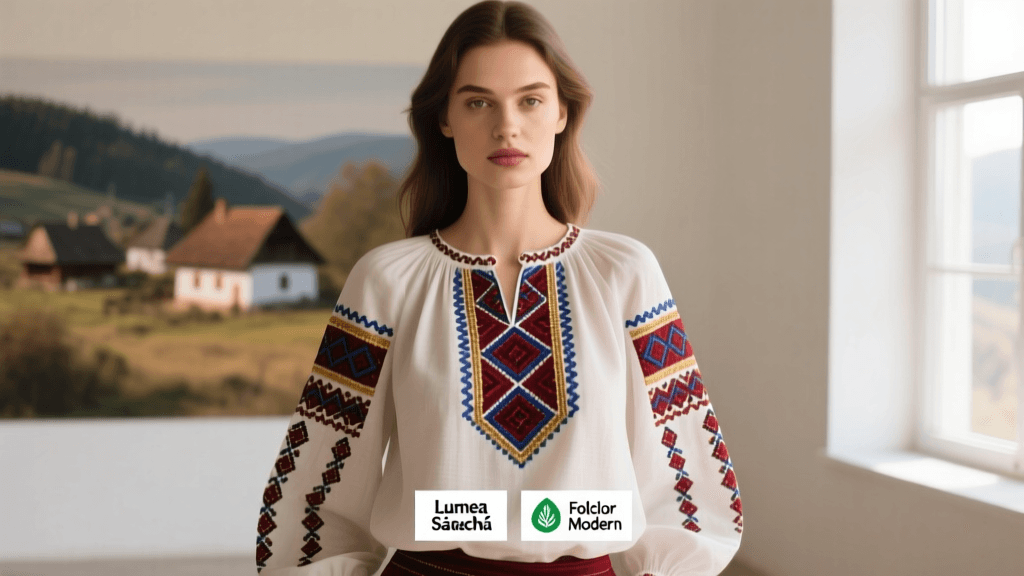
The Romanian Ia (pronounced 'ee-ah') has transcended its pastoral, village origins to become one of the most coveted artifacts of the European folk dress revival. As we navigate the sustainable fashion landscape of 2026, the traditional Romanian blouse stands at the intersection of heritage preservation and contemporary slow-fashion styling. Following its global recognition and inscription on the UNESCO Intangible Cultural Heritage list, the demand for authentic, hand-loomed, and naturally dyed garments has skyrocketed. However, this surge in popularity has also flooded the market with mass-produced, AI-generated printed imitations.
For the modern wardrobe curator, understanding the anatomy, regional variations, and proper contemporary styling of the Ia is essential. In 2026, wearing an authentic Ia is not merely a nod to Eastern European folklore; it is a deliberate choice to support artisanal cooperatives, preserve ancient stitching techniques, and embrace a garment that offers unparalleled breathability and structural elegance. This comprehensive guide will help you decode the symbolism of the Ia, source genuine pieces, and integrate them seamlessly into your modern 2026 wardrobe.
Anatomy of the Traditional Blouse
To appreciate the Ia, one must understand its strict geometric and symbolic architecture. The traditional blouse is not randomly embroidered; it follows a sacred map that has been passed down through generations of women in the Carpathian and Danubian regions. According to archival textile records preserved by institutions like the National Museum of the Romanian Peasant, the garment is divided into three primary decorative zones.
The Altita, Incret, and Rauri
- Altita (The Shoulder): This is the most complex and visually striking part of the blouse. Located on the upper sleeve and shoulder, the altita features dense, intricate geometric or floral motifs. Historically, it served as a protective talisman, guarding the wearer's physical strength and spiritual energy.
- Incret (The Gathering): Situated just below the altita, the incret is a narrower, horizontal band of embroidery that visually separates the shoulder from the rest of the sleeve. It often utilizes contrasting colors to create a vibrant border.
- Rauri (The Rivers): These are the vertical bands of embroidery that flow down the length of the sleeve, resembling rivers of water or rays of light. The rauri guide the eye downward and are typically stitched using the punctul în lanț (chain stitch) or punctul în cruci (cross stitch).
Regional Variations and 2026 Market Pricing
The color palette and motif density of an Ia immediately reveal its geographic origin. In 2026, collectors and sustainable fashion enthusiasts are heavily favoring pieces from specific historical regions, each with distinct characteristics. The table below outlines the primary regional styles and their current market valuations for authentic, hand-embroidered pieces.
| Region | Primary Colors | Base Fabric | Motif Style | 2026 Avg. Price (EUR) |
|---|---|---|---|---|
| Argeș | Deep crimson, black, gold | Hand-loomed hemp | Dense, curvilinear floral | €350 - €550 |
| Olt | Vibrant red, geometric black | Raw linen | Strict geometric, diamond | €280 - €420 |
| Vrancea | Black, deep burgundy | Cotton-linen blend | Sparse, elegant, vertical | €200 - €350 |
| Neamț | White-on-white, subtle beige | Fine bleached linen | Textural, shadow-work | €400 - €650 |
How to Source Authentic Garments
The 2026 market is saturated with fast-fashion brands appropriating the Ia's aesthetic without respecting its construction. To ensure you are purchasing an authentic piece, you must look beyond superficial patterns and examine the garment's foundational elements. Authentic Ias are crafted on a loom, meaning the base fabric will have a distinct, slightly irregular selvedge edge and a natural slub texture that machine-woven cotton cannot replicate.
Furthermore, genuine artisans utilize natural dyes. For instance, the deep reds are derived from Rubia tinctorum (madder root), while the rich blacks are achieved through prolonged boiling with alder bark and iron-rich mud. When sourcing, seek out certified artisanal cooperatives or verified vintage dealers. Archival pieces from the mid-20th century are highly prized; the Victoria and Albert Museum collections frequently highlight the enduring structural integrity of Eastern European peasant textiles, proving that a well-made Ia can last over a century. Expect to pay a minimum of €200 for a newly commissioned, hand-stitched blouse, with vintage museum-quality pieces commanding upwards of €800.
Contemporary Styling Formulas for 2026
Styling the Ia in 2026 requires balancing its voluminous, historical silhouette with modern, structured tailoring. The goal is to avoid looking like you are wearing a theatrical costume. Instead, treat the Ia as a statement piece of slow fashion that anchors a minimalist wardrobe.
The Modern Office: Structured Contrast
Pair a Vrancea-style Ia (which features sparser, more elegant embroidery) with high-waisted, wide-leg wool trousers in charcoal or deep navy. Ensure the trousers have a 32-inch inseam to create a long, unbroken vertical line that counters the blousing of the shirt. Tuck the front of the Ia into the waistband, leaving the back slightly loose for a relaxed drape. Finish with minimalist leather mules or pointed-toe ankle boots.
Weekend Transitional: Textural Layering
For cooler spring or autumn days, layer an Olt-region Ia under an oversized, unstructured linen blazer. The raw texture of the linen complements the hand-loomed base of the blouse. Pair this with straight-leg, raw selvedge denim and woven leather loafers. The key to this look is proportion: if the Ia features voluminous bishop sleeves, ensure the blazer has dropped shoulders and a relaxed armhole to accommodate the fabric without bunching.
Summer Evening: Monochromatic Elegance
A white-on-white Neamț Ia is the epitome of summer elegance. Style it with a midi-length silk slip skirt in champagne or ivory. The contrast between the matte, textural linen of the blouse and the fluid sheen of the silk creates a sophisticated, high-end aesthetic. Accessorize with hammered gold jewelry and strappy leather sandals.
Garment Care and Preservation
An authentic Ia is an investment that requires meticulous care. The hand-loomed fibers and natural dyes are highly sensitive to modern chemical detergents and high heat.
- Washing: Never machine wash an authentic Ia. Hand wash the garment in cool water (maximum 30°C) using a pH-neutral, eco-friendly detergent designed for delicate natural fibers. Avoid soaking for more than 15 minutes to prevent the natural dyes from bleeding.
- Drying: Never wring or twist the fabric, as this can distort the loom's tension and damage the embroidery threads. Gently press the water out by rolling the blouse in a clean, dry cotton towel. Lay it flat on a drying rack away from direct sunlight, which can fade the madder root and walnut hull dyes.
- Ironing: Iron the garment while it is still slightly damp. Always iron on the reverse side to protect the raised embroidery stitches. Use a medium heat setting with generous steam, and place a clean cotton pressing cloth between the iron and the fabric to prevent scorching.
- Storage: Store your Ia flat or rolled in acid-free tissue paper inside a cedar-lined drawer. Avoid hanging the blouse on wire or thin wooden hangers, as the weight of the heavy embroidery can stretch the shoulder seams over time.
Conclusion
The Romanian Ia is far more than a historical artifact; it is a living, breathing testament to the artistry of European folk dress. By understanding its regional nuances, committing to ethical sourcing, and applying thoughtful contemporary styling, you can integrate this magnificent garment into your 2026 wardrobe with respect and sartorial brilliance. Embracing the Ia is a celebration of slow fashion, cultural heritage, and the enduring beauty of the handmade.