Ribbon Skirt Crafting: Fabric Sourcing & 2026 Design Trends
The Enduring Legacy of the Ribbon Skirt
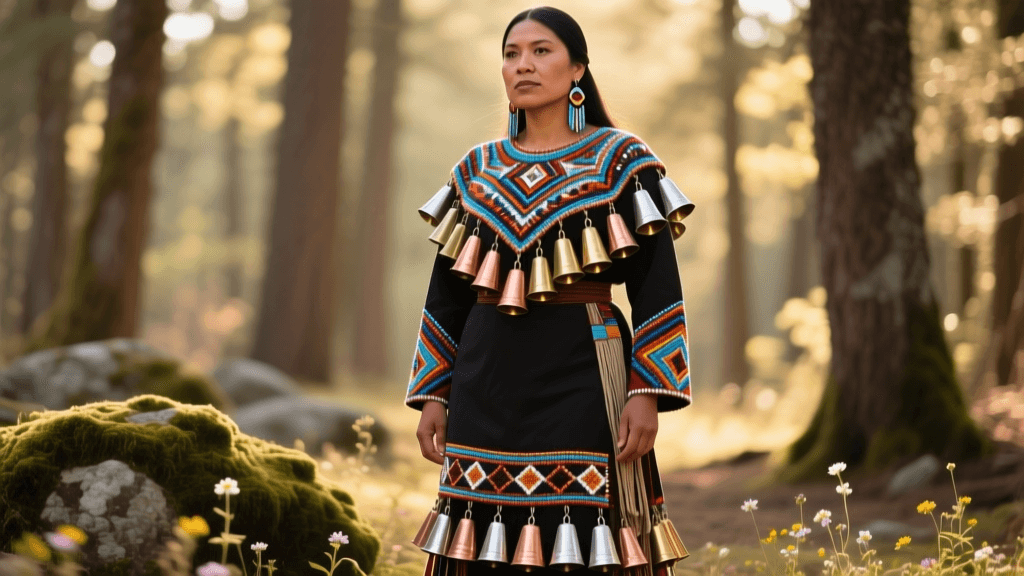
The ribbon skirt is far more than a garment; it is a profound symbol of Indigenous resilience, cultural pride, and spiritual grounding. Originally emerging from the Great Lakes region among the Ojibwe and other Anishinaabe peoples, the ribbon skirt evolved as Native women adapted European trade goods—such as wool blankets, cotton broadcloth, and silk ribbons—into distinctly Indigenous sartorial expressions. Today, the ribbon skirt has transcended its regional origins to become a pan-Indigenous symbol of empowerment, worn at powwows, ceremonies, graduations, and even political protests across the Americas.
As we navigate the 2026 powwow season and a broader cultural renaissance in Indigenous fashion, the demand for high-quality, authentic materials has never been higher. According to the Smithsonian National Museum of the American Indian, Native dress remains a vital, living expression of identity that continuously adapts to contemporary times while honoring ancestral roots. For regalia makers, seamstresses, and community artisans, understanding the nuances of fabric sourcing, ribbon selection, and modern construction techniques is essential for creating skirts that move beautifully, withstand the rigors of dance, and honor the sacred nature of the garment.
Essential Materials for 2026 Ribbon Skirt Construction
Crafting a ribbon skirt requires a careful balance of traditional aesthetics and modern textile durability. The base fabric must drape well, hold a crease, and withstand frequent washing, while the ribbons must resist fraying and color bleeding.
Selecting the Base Fabric
The foundation of any ribbon skirt is the base fabric. In 2026, the most highly recommended material remains 100% cotton broadcloth or trigger cloth. Cotton broadcloth is favored for its breathability, matte finish, and ability to hold sharp pleats and gathers. For dancers who compete in hot, outdoor powwow arenas, a lightweight, high-thread-count cotton is ideal. Poly-cotton blends (typically 65% polyester, 35% cotton) are also popular for their wrinkle resistance and lower price point, though they lack the traditional matte drape of pure cotton and can retain heat. For winter ceremonies or northern powwows, wool-blend melton cloth is occasionally used for its warmth and heavy, dignified drape, though it requires specialized sewing machine needles and heavy-duty thread.
Choosing the Right Ribbons
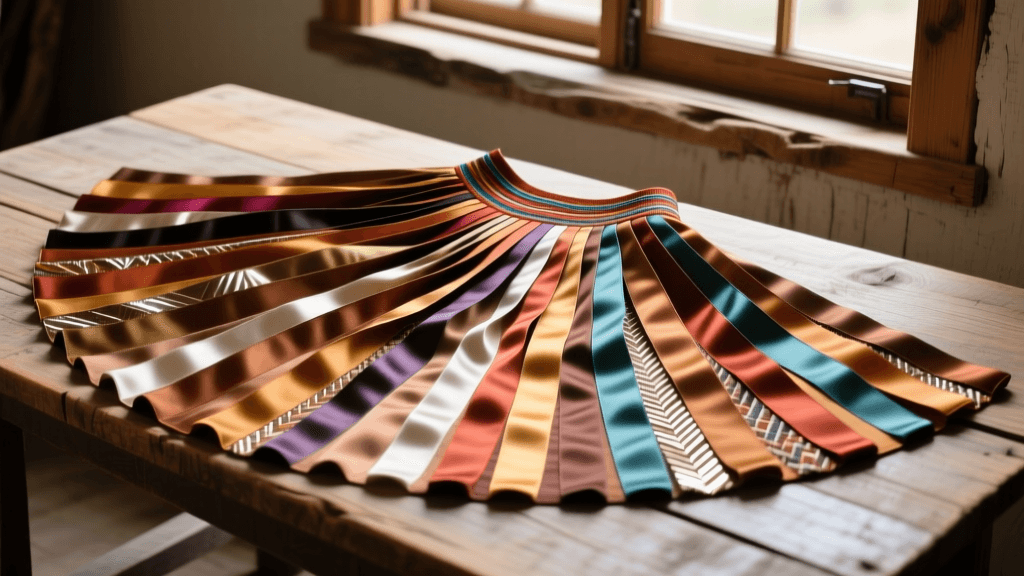
The ribbons are the heartbeat of the skirt's visual impact. Double-faced satin ribbon is the gold standard for traditional ribbon skirts due to its lustrous finish and beautiful movement. However, satin can be slippery and prone to fraying. Grosgrain ribbon is an excellent alternative for beginners or for skirts intended for heavy, competitive dancing, as its ribbed texture provides more grip under the presser foot and resists fraying significantly better than satin.
Standard ribbon widths for tiered skirts range from 3/4-inch to 2-inches. A common 2026 design technique involves layering a 1-inch satin ribbon directly over a 1.5-inch grosgrain ribbon to create a bordered, dimensional effect. When purchasing ribbons, always buy from the same dye lot to prevent subtle color variations that can become glaringly obvious under bright arena lighting.
Notions, Closures, and Hardware
Durability in a ribbon skirt often comes down to the notions used. For the waistband, a sturdy cotton twill tape or petersham ribbon provides structure without digging into the skin. While traditional skirts often utilized simple tie-waists or elastic casings, modern 2026 regalia frequently incorporates heavy-duty snap tape or invisible side zippers for a cleaner silhouette. Hemming tape or bias binding is essential for finishing the bottom tier, adding necessary weight to the hem so the skirt flares out properly during turns and spins.
2026 Design Trends: Colorways and Appliqué
The 2026 powwow circuit has seen a distinct shift in color palettes and decorative motifs. While the traditional primary colors (red, yellow, black, and white) remain deeply significant and widely used, there is a massive surge in earth-toned and botanically inspired colorways. Deep ochres, sage greens, terracotta, and twilight blues are dominating the competition arenas this year, reflecting a broader Indigenous movement toward environmental stewardship and land-based teachings.
Another major trend for 2026 is the integration of geometric appliqué and star quilt motifs directly into the ribbon tiers. Instead of strictly horizontal bands, artisans are incorporating diagonal ribbon placements, chevron patterns, and four-directional star designs that wrap around the skirt. Metallic and iridescent ribbons are also being used as subtle accent lines between traditional satin tiers, catching the sunlight during outdoor dances and creating a stunning visual ripple effect.
Material Sourcing Guide: Where to Buy in 2026
Sourcing materials ethically and authentically is a priority for many Indigenous artisans. Supporting Native-owned textile shops and beadwork suppliers ensures that the economic benefits of the powwow circuit remain within the community. When purchasing from non-Native craft stores or online marketplaces, it is crucial to verify the authenticity of any pre-made garments or 'Native-inspired' textiles. The Indian Arts and Crafts Board provides extensive resources and a directory to help consumers and artisans identify genuine Native-owned businesses and avoid counterfeit goods that violate the Indian Arts and Crafts Act.
Below is a comparison of base materials and their current market positioning for the 2026 crafting season:
| Material Type | Best Use Case | Durability & Drape | 2026 Avg. Cost (per yard) |
|---|---|---|---|
| 100% Cotton Broadcloth | Traditional everyday & ceremony skirts | High breathability, excellent matte drape | $12.00 - $16.00 |
| Poly-Cotton Blend (65/35) | Youth skirts, practice regalia | Wrinkle-resistant, slightly stiffer drape | $7.00 - $10.00 |
| Cotton Trigger / Twill | Heavy-duty competition dance skirts | Extremely durable, holds heavy ribbon tiers | $14.00 - $18.00 |
| Wool Blend Melton | Winter ceremonies, northern powwows | Very heavy, warm, requires specialized needles | $22.00 - $30.00 |
Step-by-Step Construction Tips for Durability
Constructing a ribbon skirt that survives years of powwows, travel, and washing requires specific sewing techniques. First, always pre-wash and dry your base fabric and ribbons before cutting. Cotton broadcloth can shrink up to 5% in the first wash, which will cause horizontal ribbon tiers to pucker and warp if the fabric shrinks after the ribbons are attached.
When attaching ribbons, use a walking foot on your sewing machine. A standard presser foot can cause the slippery satin ribbon to feed faster than the cotton base fabric, resulting in wavy, uneven tiers. A walking foot feeds the top and bottom layers simultaneously, ensuring perfectly straight lines. For the vertical seams of the skirt, French seams are highly recommended. They enclose the raw edges completely, preventing fraying and giving the inside of the skirt a clean, professional finish that is comfortable against the legs.
To calculate the fabric required for a standard three-tier adult skirt, measure the wearer's waist and desired length. A general rule of thumb for 2026 full-gather skirts is to use 2.5 times the waist measurement for the bottom tier, 2 times for the middle, and 1.5 times for the top yoke. For a standard adult, this typically requires between 4 to 6 yards of 45-inch broadcloth, depending on the desired fullness and the height of the wearer.
Caring for Your Regalia
Proper care extends the life of your ribbon skirt and honors the time and resources invested in its creation. Always wash ribbon skirts in cold water on a gentle cycle to prevent color bleeding, especially when combining dark reds or blacks with lighter ribbons. Hang the skirt to dry or tumble dry on the lowest heat setting; high heat can melt or warp synthetic satin ribbons. When storing the skirt for the off-season, hang it in a breathable cotton garment bag in a cool, dry place. Avoid wire hangers, which can distort the waistband; instead, use padded or wooden hangers to maintain the garment's structural integrity.
By carefully selecting high-quality broadcloth, investing in durable ribbons, and utilizing modern construction techniques, artisans can create ribbon skirts that are not only visually stunning for the 2026 season but also robust enough to become cherished family heirlooms passed down through generations.