2026 Powwow Ribbon Skirt Construction & Sourcing Guide
The Cultural Weight of the Ribbon Skirt in 2026
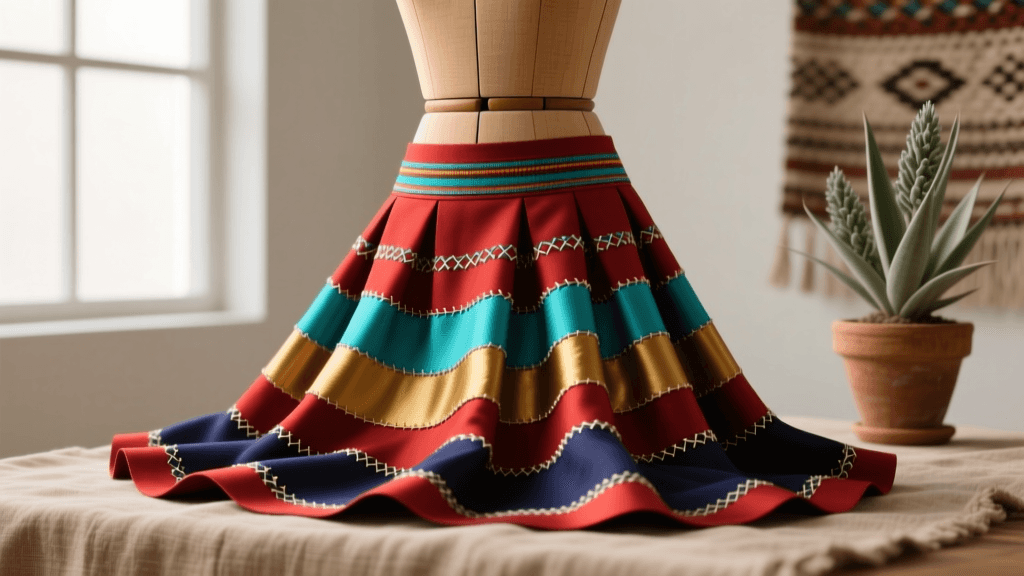
As we navigate the 2026 powwow season, the ribbon skirt remains one of the most powerful, visible, and deeply personal garments in contemporary Indigenous culture. Far from a mere fashion trend, the ribbon skirt is a profound reclamation of Indigenous identity, a symbol of resilience, and a vital piece of regalia that honors the wearer's ancestors. Originally born from the ingenuity of Great Lakes tribes—including the Ojibwe, Potawatomi, and Odawa—who adapted European silk trade ribbons in the 18th and 19th centuries to replace traditional porcupine quillwork and painted hides, the garment has evolved into a pan-Indigenous symbol of pride.
In 2026, the ribbon skirt is worn not only at intertribal powwows and traditional ceremonies but also in everyday settings, graduation ceremonies, and political advocacy spaces. According to cultural preservation advocates at the Native Arts and Cultures Foundation, supporting the creation and wearing of traditional textiles is a critical component of modern Indigenous sovereignty and cultural continuity. Furthermore, the skirt has become inextricably linked with the MMIWG2S (Missing and Murdered Indigenous Women, Girls, and Two-Spirit) movement, with many makers incorporating red ribbons or handprint motifs to honor those lost and demand justice, a topic frequently covered by ICT News in their ongoing reporting on Indigenous rights and visibility.
Sourcing Authentic Materials for 2026 Regalia
Creating a high-quality ribbon skirt requires specific textiles that honor the garment's drape and durability. In 2026, the textile market has seen a shift toward sustainably sourced cottons and high-grade synthetic satins that resist fraying during competitive powwow dancing.
The Base Fabric
Traditionalists often favor cotton broadcloth or calico for its breathability and historical accuracy. For the 2026 season, premium cotton-polyester blends are highly recommended for their wrinkle resistance and ability to hold heavy ribbon appliqué without sagging. When purchasing, look for 45-inch to 60-inch wide fabric bolts. Solid, deep jewel tones (emerald, navy, burgundy) and rich earth tones remain the most requested base colors, providing a stark, beautiful contrast for bright ribbons.
The Ribbons
The defining feature of the skirt is, of course, the ribbon. Double-faced satin ribbon is the gold standard for 2026 regalia construction. It provides a luxurious sheen on both sides and prevents the underside from looking unfinished when the wearer moves or dances. Avoid single-faced craft ribbons, as the dull underside will show when the skirt flares. Standard widths are 1.5 inches or 2 inches. For a full, ankle-length skirt, you will need approximately 30 to 45 yards of ribbon, depending on your spacing preferences.
Supporting Native-Owned Suppliers
When sourcing materials, it is highly encouraged to purchase from Native-owned businesses. The Smithsonian National Museum of the American Indian frequently highlights the importance of economic sovereignty within Indigenous communities. Seeking out Native-owned beadwork, ribbon, and fabric shops ensures your regalia is infused with good medicine and directly supports Indigenous artisans.
Measurements and Yardage Calculator
Proper measurement is crucial for a skirt that fits comfortably over modern clothing and allows for the sweeping movements required in powwow dancing. Measure your natural waist (or where you prefer the skirt to sit, often slightly above the hips), your hips at the widest point, and your desired length from the waist down to the ankle bone.
Below is a standard 2026 yardage guide based on a 38-inch ankle-length skirt using 45-inch wide base fabric and 1.5-inch double-faced satin ribbons spaced 2 inches apart:
| Skirt Size (Waist/Hips) | Base Fabric (Cotton Broadcloth) | Double-Faced Satin Ribbon (1.5 inch) | Elastic/Casing Material |
|---|---|---|---|
| Small (28" / 38") | 3.5 Yards | 32 Yards | 1.5 Yards (1" wide) |
| Medium (32" / 42") | 4.0 Yards | 36 Yards | 1.75 Yards (1" wide) |
| Large (38" / 48") | 4.5 Yards | 42 Yards | 2.0 Yards (1" wide) |
| XL (44" / 54") | 5.5 Yards | 48 Yards | 2.5 Yards (1" wide) |
Step-by-Step Construction Techniques
Constructing a ribbon skirt requires patience, precise pinning, and an understanding of fabric tension. Here is the standard methodology for creating a gathered, tiered, or paneled ribbon skirt for the current powwow season.
1. Preparing the Base and Hem
Cut your base fabric to your desired length, adding 2 inches for the top elastic casing and 3 inches for a weighted bottom hem. A deep, heavy hem is a crucial 2026 trend; it adds weight to the bottom of the skirt, allowing it to swing beautifully and rhythmically during the Women's Traditional or Intertribal dances. Press the hem thoroughly before applying any ribbons.
2. Planning the Ribbon Layout
Lay your fabric flat on a large cutting mat. Decide on your ribbon pattern. While horizontal parallel lines are traditional, many 2026 makers are incorporating geometric star quilt motifs, diagonal intersecting lines, or vertical side-panels. Use a fabric-safe chalk or washable marker to draw your guide lines. Ensure the lowest ribbon is placed at least 3 inches above the bottom hem to prevent it from dragging in the powwow arena dirt or grass.
3. The Appliqué and Stitching Method
There are two primary methods for attaching the ribbons:
Method A (Fold and Topstitch): Fold the edges of the ribbon under by 1/4 inch to prevent fraying, pin it along your marked line, and topstitch down both edges using a straight stitch. This is the most durable method for competitive dancers.
Method B (Raw Edge Appliqué): Pin the raw ribbon directly to the fabric and use a tight, narrow zigzag stitch (satin stitch) along both edges. This method is faster and provides a beautiful, textured border, but requires high-quality thread to prevent unraveling over time.
When ribbons intersect, fold the top ribbon neatly over the bottom one, creating a crisp mitered corner if working with diagonal patterns. Take your time at the intersections; bulky corners will ruin the drape of the skirt.
4. Creating the Casing and Gathering
Fold the top edge down by 1.5 inches to create a casing for your elastic. Leave a 2-inch gap unstitched to thread the elastic through. Once the elastic is threaded and secured with a heavy-duty box stitch, sew the gap closed. For a more formal, tailored look, some makers in 2026 are opting for knife-pleating the top edge and attaching a structured waistband with a zipper and hook-and-eye closure, though the elastic gather remains the most comfortable and traditional choice for long powwow weekends.
2026 Powwow Trends: Colors, Pairings, and Protocol
The 2026 powwow circuit has seen a beautiful explosion of color theory in regalia making. While traditional primary colors remain popular, there is a massive surge in 'earth-tone and neon' pairings. Imagine a deep, moss-green broadcloth base accented with electric tangerine and bright magenta ribbons. This high-contrast styling photographs exceptionally well and stands out in the grand entry arena.
Pairing Your Skirt:
A ribbon skirt is rarely worn alone. It is typically paired with a matching or complementary ribbon shirt, a beaded medallion, and traditional moccasins. For footwear, fully beaded, hard-soled Plains-style moccasins or soft-soled woodland moccasins are preferred. Ensure your moccasin beadwork echoes at least one color from your skirt's ribbon palette to create a cohesive, polished regalia set.
Cultural Protocol:
It is vital to remember that the ribbon skirt is a sacred item of clothing for many. It should be treated with respect. Do not let the hem touch the ground unnecessarily, and store it folded neatly or hung in a breathable garment bag. Many makers and wearers smudge their skirts with sage, sweetgrass, or cedar before wearing them to a ceremony or powwow, ensuring the garment carries good energy and protects the wearer.
Caring for Your Regalia
After a long weekend on the powwow trail, your skirt will likely collect dust, grass stains, and sweat. Never machine wash a heavily appliquéd ribbon skirt on a harsh cycle. Instead, spot clean the base fabric with a damp cloth and mild detergent. If a full wash is necessary, use a delicate cycle in cold water inside a mesh laundry bag, and always hang dry. The heat from a 2026 high-efficiency dryer can melt or warp synthetic satin ribbons, permanently ruining hours of meticulous sewing. Iron the base fabric on a low setting, avoiding direct heat on the ribbons.
Conclusion
Whether you are sewing your first skirt to honor a loved one, or you are an experienced regalia maker preparing for the 2026 Gathering of Nations or Crow Fair, the ribbon skirt remains a testament to Indigenous survival and beauty. By sourcing ethically, measuring carefully, and sewing with intention, you are not just creating a garment; you are weaving yourself into the ongoing, vibrant tapestry of Native American culture.