Chinese Natural Plant Dyes: Eco-Friendly Silk Dyeing in 2026
The Renaissance of Chinese Botanical Dyes in 2026
As the global fashion industry pivots toward radical sustainability in 2026, the ancient art of Chinese natural dyeing has experienced a massive renaissance. Moving away from the petrochemical-based synthetic dyes that have polluted waterways for over a century, modern eco-conscious artisans and high-end Hanfu brands are returning to the roots of traditional Chinese botanical dyeing. This revival is not merely a nostalgic trend; it is a scientifically backed, eco-friendly methodology that aligns perfectly with modern zero-waste and closed-loop water systems.
Traditional Chinese dyeing relies on a profound understanding of local flora, utilizing leaves, roots, bark, and flower buds to extract vibrant, living pigments. According to the Food and Agriculture Organization (FAO), the cultivation and wild-harvesting of non-wood forest products, including natural dye plants, provide critical ecological benefits, such as soil stabilization and biodiversity preservation, while offering sustainable income streams for rural farming communities. In 2026, the integration of solar-thermal extraction vats and AI-monitored fermentation processes has made these ancient techniques more scalable and colorfast than ever before.
Top Chinese Natural Dye Plants for Sustainable Textiles
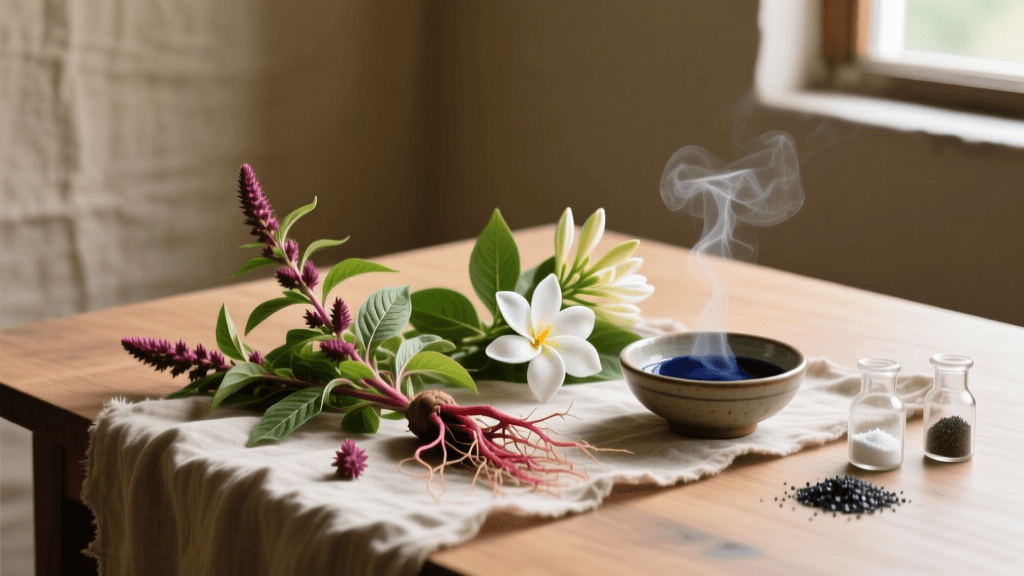
To build a truly sustainable, eco-friendly wardrobe or textile art practice, one must understand the unique chemical properties of traditional Chinese dye plants. Below are the four most prominent botanicals used in 2026 for dyeing protein fibers like silk and wool.
1. Indigo (Lan Cao / Polygonum tinctorium)
Unlike the *Indigofera tinctoria* commonly used in South Asia, traditional Chinese indigo relies on *Polygonum tinctorium* (knotweed). The leaves contain indican, which must be hydrolyzed and oxidized to form the insoluble blue pigment, indigotin. In 2026, artisanal dyers are using organic fruit-waste enzymes and rice wine to create alkaline, oxygen-free fermentation vats without relying on harsh synthetic reducing agents like sodium dithionite. The result is a deep, living blue that continues to evolve and soften with wear.
2. Gardenia (Zhi Zi / Gardenia jasminoides)
The dried fruits of the gardenia shrub yield a brilliant, warm saffron-yellow due to the presence of the carotenoid pigment crocin. Historically reserved for high-ranking officials during the Tang Dynasty, gardenia is a substantive dye, meaning it bonds directly to silk and wool without the strict necessity of a metallic mordant. However, modern dyers often use a mild alum mordant to increase the pigment's wash-fastness and vibrancy. Sourcing organic, shade-dried gardenia fruits costs approximately $18.00 per 500g in the 2026 market.
3. Pagoda Tree (Huai Hua / Sophora japonica)
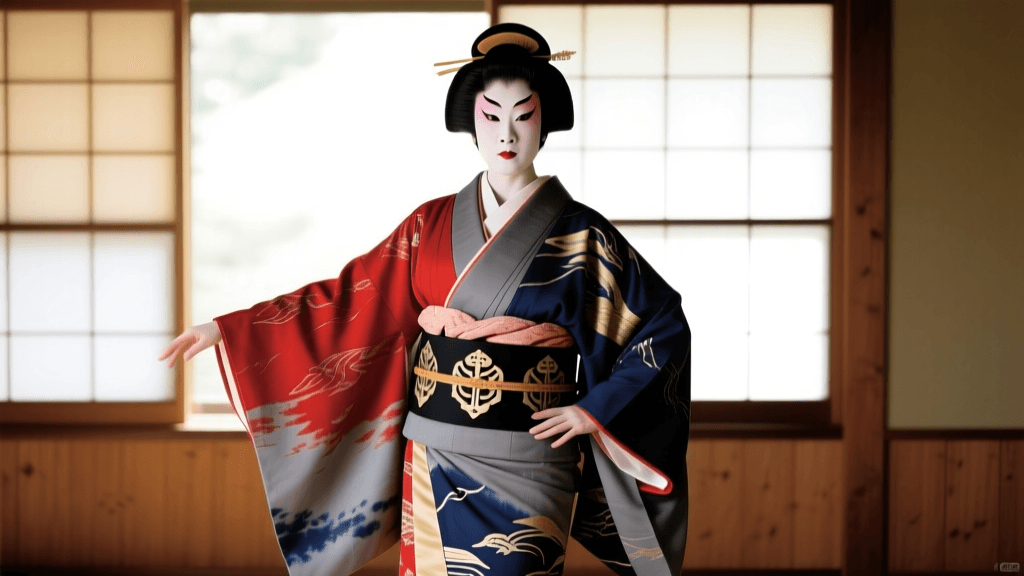
The unopened flower buds of the Pagoda Tree, known as *Huai Mi*, are rich in rutin. When extracted in hot water and combined with an alum mordant, they produce a striking, luminous green-yellow. This dye is highly prized in traditional Chinese opera costumes and is now being adopted by contemporary sustainable fashion houses for its unique, neon-adjacent natural hue that is entirely free of heavy metals.
4. Madder Root (Qian Cao / Rubia cordifolia)
Chinese madder yields a spectrum of reds, from soft peach to deep crimson, thanks to the anthraquinone compound alizarin. The secret to achieving the deepest reds lies in water chemistry: madder requires calcium-rich (hard) water to form a strong complex with the fiber. In 2026, dyers who live in areas with soft water simply add a precise measurement of natural calcium carbonate (chalk) to the dye bath to replicate the historic results of the Yellow River basin.
Comparison Chart: Dye Plants, Mordants, and Color Fastness
Understanding the technical specifications of each plant is crucial for achieving professional, eco-friendly results. Below is the 2026 reference chart for protein fibers.
| Plant Name (Pinyin/English) | Botanical Name | Target Color | Eco-Mordant | Light Fastness | 2026 Avg. Cost (500g) |
|---|---|---|---|---|---|
| Lan Cao (Indigo) | Polygonum tinctorium | Deep Blue | Alkaline (Wood Ash) | Excellent | $22.00 |
| Zhi Zi (Gardenia) | Gardenia jasminoides | Saffron Yellow | None / Alum | Moderate | $18.00 |
| Huai Hua (Pagoda) | Sophora japonica | Green-Yellow | Alum | Good | $24.00 |
| Qian Cao (Madder) | Rubia cordifolia | Crimson Red | Alum / Chalk | Good | $28.00 |
Step-by-Step Eco-Friendly Silk Dyeing Guide
Dyeing silk using traditional Chinese botanicals requires precision, patience, and a commitment to non-toxic chemistry. The following guide outlines the process for dyeing 100 grams of degummed silk fabric using a substantive or mordant-required plant like Gardenia or Madder.
Step 1: Scouring and Preparing the Silk
Silk naturally contains sericin, a gummy protein that blocks dye absorption. Even if you purchase 'degummed' silk, it must be scoured to remove manufacturing oils. In a stainless steel pot, dissolve 2 grams of a pH-neutral, biodegradable eco-scouring agent in 2 liters of water. Heat the bath to 45°C, submerge the silk, and gently agitate for 30 minutes. Rinse thoroughly in lukewarm water. Never shock silk with cold water, as this can cause the fibers to contract and crease permanently.
Step 2: Mordanting for Color Fastness
While some dyes like indigo do not require a mordant, most Chinese botanicals rely on a metallic salt to form a coordination complex with the fiber and the pigment. We use Potassium Aluminum Sulfate (Alum) as it is non-toxic and environmentally safe, aligning with the strict heavy-metal restrictions outlined by the Global Organic Textile Standard (GOTS). Dissolve 15 grams of alum and 5 grams of cream of tartar (potassium bitartrate) in hot water. Add this to a 3-liter pot, introduce the wet silk, and hold the temperature at 50°C for 60 minutes. Let the silk cool in the bath overnight for maximum absorption.
Step 3: Extracting the Botanical Pigments
For 100g of silk, you will need approximately 100g to 150g of dried plant matter (a 1:1 or 1:1.5 weight of goods ratio). Place your chosen dye plant (e.g., crushed Gardenia fruits or Madder roots) in a muslin bag and submerge it in 3 liters of water. Slowly bring the temperature to 80°C and hold it there for 60 minutes. Avoid boiling, as high heat can dull the pigments and extract unwanted brown tannins from the plant matter. Strain the liquid, which is now your active dye bath.
Step 4: The Dyeing Process and Oxidation
Place the mordanted, wet silk into the warm dye bath. Maintain a temperature of 70°C to 80°C for 45 minutes, stirring gently with a wooden dowel to ensure even color distribution. Turn off the heat and allow the fabric to cool completely in the liquid. Once cooled, remove the silk and rinse it in cool water until the runoff is clear. Hang the silk to dry out of direct sunlight. For indigo vat dyeing, the process differs entirely: the silk is dipped into a cold, oxygen-deprived vat for 15 minutes, then removed and exposed to the air, where atmospheric oxygen magically transforms the yellow-green liquid into insoluble blue indigotin right before your eyes.
Sustainability Metrics and Cultural Preservation in 2026
The shift toward Chinese natural dyes is deeply intertwined with the global push for circular fashion. Synthetic dyeing accounts for roughly 20% of global industrial water pollution. By contrast, the spent botanical matter from natural dye vats is 100% compostable, and the exhausted dye water can be safely neutralized and returned to the soil, acting as a mild fertilizer. Furthermore, the preservation of these complex botanical techniques is increasingly recognized by global heritage organizations. As noted by the UNESCO Intangible Cultural Heritage frameworks, safeguarding traditional craftsmanship ensures that indigenous ecological knowledge is passed down to future generations, rather than being lost to industrial homogenization.
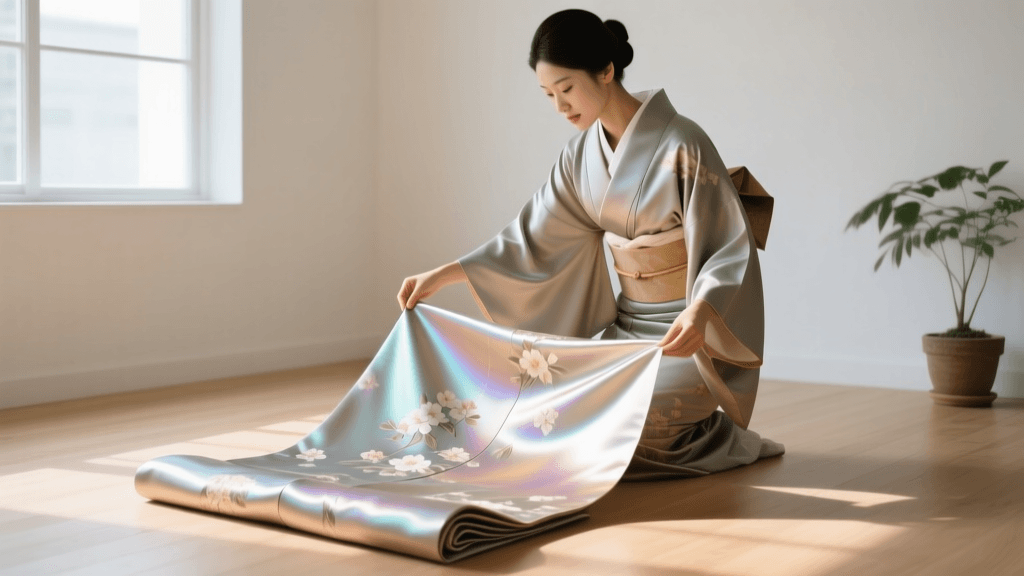
In 2026, we are also seeing the rise of 'slow fashion' Hanfu collectives that map the entire lifecycle of their garments. From the organic mulberry farms that feed the silkworms, to the regenerative agriculture plots growing *Polygonum tinctorium* and *Rubia cordifolia*, every step is tracked for carbon and water footprints. Brands are now utilizing natural UV-blocking plant tannins as topcoats to solve the historical issue of lightfastness in yellow and red botanical dyes, making these garments viable for everyday, modern wear.
Conclusion
Embracing Chinese natural dye plants is more than an aesthetic choice; it is a profound commitment to ecological stewardship and cultural reverence. Whether you are extracting the vibrant saffron of gardenia or cultivating a living indigo vat, the practices of 2026 prove that ancient wisdom and modern sustainability are not mutually exclusive. By adopting these eco-friendly dyeing methods, artisans and designers alike can create textiles that are as kind to the earth as they are breathtaking to the eye.