Regional Indigenous Regalia Textiles: Plains, Southwest & Northwest 2026
The Living Tapestry of Indigenous North American Dress in 2026
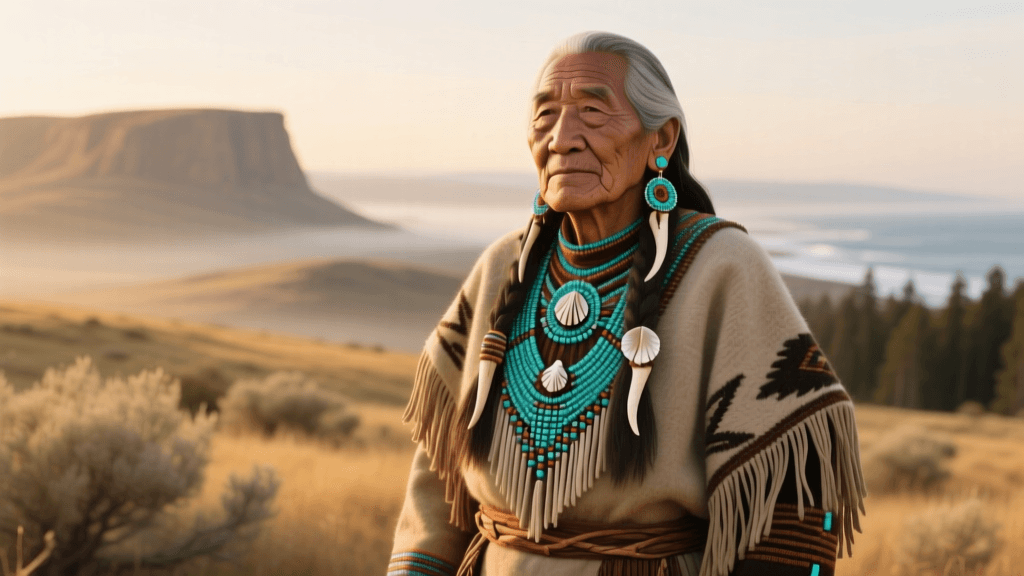
Indigenous North American dress traditions are not static relics of the past; they are vibrant, evolving expressions of identity, spirituality, and community. As we move through 2026, a powerful renaissance in traditional textile arts and regalia making is sweeping across Native communities. Artisans are reclaiming ancestral techniques, from brain-tanning hides to spinning mountain goat wool, while integrating sustainable, ethically sourced modern materials. Understanding the distinct regional variations in Indigenous clothing is essential for anyone studying traditional garments, supporting Native artisans, or participating in cultural events like powwows and ceremonial gatherings.
This comprehensive guide explores the unique dress traditions of three major cultural regions—the Plains, the Southwest, and the Pacific Northwest Coast. We will examine the specific materials, techniques, and actionable sourcing advice relevant to makers, collectors, and cultural historians today.
The Plains Region: Hide, Glass, and the Art of the Lane Stitch
The Plains region, home to tribes such as the Lakota, Cheyenne, Comanche, and Blackfeet, is globally renowned for its intricate beadwork and masterful leather crafting. Historically, Plains clothing was constructed from the hides of buffalo, elk, and deer, adorned with porcupine quills and natural pigments. Today, the integration of glass seed beads remains a cornerstone of Plains regalia.
Materials and Techniques
The foundation of Plains regalia is brain-tanned buckskin or elk hide. The brain-tanning process, which uses the animal's own brain matter to emulsify and soften the hide, produces a uniquely supple, washable leather that commercial chrome-tanned leathers cannot replicate. In 2026, there is a massive push among younger generations to learn ethical hunting and traditional hide-tanning to ensure sustainable, zero-waste practices.
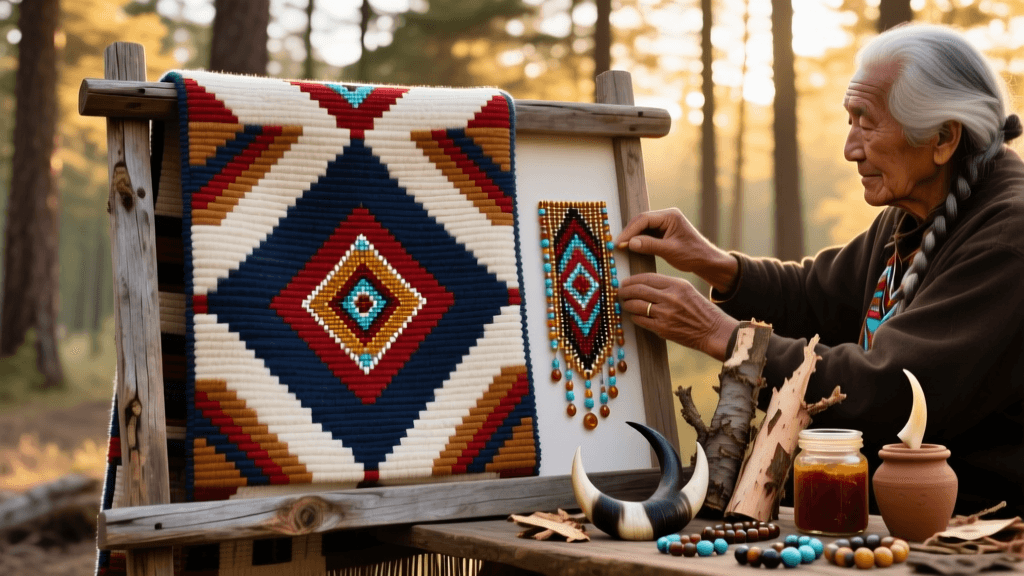
For beadwork, the 'lazy stitch' (also known as the lane stitch) is the hallmark of Plains design. This technique involves threading multiple beads onto a single stitch that lies flat against the hide, creating striking geometric patterns. Artisans today predominantly use Czech glass seed beads, specifically sizes 11/0 and 13/0, prized for their uniform shape and vibrant, historically accurate color palettes.
Actionable Advice for Makers
- Sourcing Hides: Authentic brain-tanned buckskin typically costs between $150 and $300 per hide in 2026, depending on the size and the reputation of the tanner. Always purchase directly from Native tanners at regional trade shows or verified online cooperatives.
- Bead Selection: Avoid cheap, mass-produced plastic beads. Invest in Czech Charlotte cut beads (size 13/0) for high-end regalia; they feature a single cut facet that catches the light beautifully during dance competitions. Expect to pay $6 to $10 per hank.
- Threading: While traditional prepared sinew is still used, many contemporary beadworkers opt for waxed nylon threads like Nymo (Size D) for its durability and resistance to fraying when passing through dense leather.
The Southwest Region: Loom Weaving, Velvet, and Turquoise
The Southwest encompasses the arid landscapes inhabited by the Diné (Navajo), Hopi, and various Pueblo nations. The dress traditions here are heavily defined by the upright loom weaving of the Diné, the cultivation of cotton by the Puebloans, and the later integration of velvet and silverwork introduced through trade.
Materials and Techniques
Diné weaving is a deeply spiritual practice. The traditional upright loom is said to have been taught by Spider Woman, and the tools are often made of cedar and pine. The primary material is the fleece of the Navajo-Churro sheep, a heritage breed known for its long, lustrous fibers and low lanolin content, making it ideal for hand-spinning. In 2026, the revitalization of the Churro sheep flock has made authentic, locally sourced wool more accessible to weavers than it has been in decades.
Contemporary Southwest regalia also heavily features velvet. The Navajo velvet shirt and tiered skirt, adorned with silver concho belts and turquoise jewelry, is a staple of both everyday ceremonial wear and social dances. The turquoise used is typically mined from historic Southwestern veins, such as the Sleeping Beauty or Kingman mines, set in heavy sterling silver.
Actionable Advice for Makers and Collectors
- Wool Preparation: If you are learning to weave, source raw Navajo-Churro fleece (approximately $12 to $18 per pound in 2026). Hand-card and spin the wool using a traditional Navajo spindle to maintain the cultural integrity and structural bounce of the textile.
- Natural Dyes: There is a strong movement back to natural dyes. Wild walnut hulls yield rich browns, while cochineal insects (harvested from prickly pear cacti) and indigo are used for vibrant reds and blues. Mordant the wool with alum to ensure colorfastness.
- Velvet Sourcing: For traditional skirts, purchase heavy-weight cotton velvet (at least 16 oz per yard). A standard tiered skirt requires 5 to 7 yards of fabric. Always finish the hems with contrasting satin ribbon rickrack, a hallmark of mid-century and contemporary Diné fashion.
The Pacific Northwest Coast: Cedar Bark, Chilkat, and Button Blankets
The Pacific Northwest Coast, inhabited by the Tlingit, Haida, Kwakwaka'wakw, and Coast Salish peoples, boasts some of the most complex and visually striking textile traditions in the world. The damp, temperate rainforest environment necessitated clothing that was both waterproof and insulating, leading to the masterful use of plant fibers and animal wools.
Materials and Techniques
Historically, everyday clothing was woven from the inner bark of the yellow cedar tree. The bark is harvested in the late spring, boiled, pounded, and separated into fine fibers that can be twisted into yarn or woven directly on a loom. For high-status ceremonial garments, the Tlingit developed Chilkat and Ravenstail weaving. These intricate robes are woven from a combination of mountain goat wool and yellow cedar bark, featuring complex, curvilinear formline designs that depict clan crests and spiritual beings.
Another iconic garment is the button blanket (or dance robe). Developed in the late 19th century, these robes are constructed from heavy dark wool broadcloth, adorned with red flannel appliqué in formline shapes, and bordered with hundreds of pearl or abalone buttons that clack and flash during potlatch dances.
Actionable Advice for Makers
- Cedar Bark Harvesting: Harvesting yellow cedar bark must be done sustainably and respectfully, usually taking only a single vertical strip from a mature tree to ensure its survival. The inner bark must be kept moist and pounded with a wooden beater until it is soft and fibrous.
- Button Blanket Construction: Use 24 oz to 32 oz Melton wool for the base of a button blanket to ensure it hangs properly and withstands the vigorous movements of traditional dancing. Pre-wash the wool to prevent future shrinking.
- Sourcing Adornments: While traditional abalone shell is highly prized, it is expensive and heavily regulated. In 2026, many artisans use high-quality, thick glass buttons or ethically sourced mother-of-pearl for the borders, reserving genuine abalone for the central crest appliqué.
Comparative Overview of Regional Textile Traditions
| Region | Primary Tribes | Core Textile Materials | Signature Technique | 2026 Sourcing Tip |
|---|---|---|---|---|
| Plains | Lakota, Cheyenne, Comanche | Brain-tanned buckskin, Czech glass beads | Lane stitch (lazy stitch) beadwork | Buy hides directly from Native tanners; avoid commercial chrome-tanned leather. |
| Southwest | Diné (Navajo), Hopi, Pueblo | Navajo-Churro wool, velvet, turquoise | Upright loom tapestry weaving | Source raw Churro fleece from heritage breed conservancies in the Four Corners area. |
| Pacific Northwest | Tlingit, Haida, Kwakwaka'wakw | Yellow cedar bark, mountain goat wool | Chilkat weaving, Button blankets | Use heavy Melton wool (24oz+) for dance robes; harvest cedar bark in late spring. |
Ethical Sourcing and Cultural Appreciation in 2026
As interest in Indigenous textiles grows, distinguishing between cultural appreciation and appropriation is paramount. The Indian Arts and Crafts Board (IACB), a division of the U.S. Department of the Interior, actively enforces the Indian Arts and Crafts Act, which makes it illegal to misrepresent Native American-made goods. When purchasing regalia, textiles, or jewelry, always verify the artisan's tribal enrollment or certification.
Organizations like the Native Arts and Cultures Foundation provide vital support to Indigenous artists, ensuring that traditional knowledge is passed down to the next generation. Furthermore, institutions such as the Sealaska Heritage Institute offer incredible resources, workshops, and archives for those looking to deeply understand the complexities of Northwest Coast weaving and formline design.
Supporting these artisans means paying fair market value for their work. A hand-woven Chilkat robe or a fully beaded Plains dress represents hundreds, if not thousands, of hours of labor, spiritual preparation, and material processing. By investing directly in Native makers, you help sustain these vital cultural practices for future generations.
Conclusion
The Indigenous dress traditions of North America are as diverse as the landscapes from which they originate. From the geometric beadwork of the Plains to the spiritual weavings of the Southwest and the monumental crest robes of the Northwest Coast, these garments are living testaments to resilience and artistic brilliance. By understanding the specific materials, techniques, and ethical considerations of each region, we can better honor and support the Indigenous artisans who keep these magnificent textile traditions alive in 2026 and beyond.