Plains Ribbon Shirts & Jingle Dresses: 2026 Regalia Guide
Introduction to Powwow Regalia in 2026
As we navigate the vibrant 2026 powwow season, the intersection of ancestral tradition and contemporary innovation continues to shape Indigenous North American dress. Regalia is not merely clothing; it is a living, breathing expression of identity, spirituality, and community resilience. Among the most iconic and widely recognized garments across the Plains and Great Lakes regions are the Ribbon Shirt and the Jingle Dress. Both garments carry deep historical roots, yet they have evolved to incorporate modern textiles, sustainable practices, and new construction techniques.
This comprehensive guide explores the history, regional variations, and actionable construction advice for creating and sourcing Ribbon Shirts and Jingle Dresses in 2026. Whether you are an Indigenous artisan refining your craft, a dancer preparing for the upcoming competition season, or an educator seeking to understand the material culture of Native North America, understanding the nuances of these garments is essential.
The Ribbon Shirt: Plains and Great Lakes Origins
The Ribbon Shirt emerged in the 19th century as a direct result of the fur trade. Indigenous peoples of the Great Lakes and Plains regions began trading furs for European-manufactured goods, notably wool broadcloth and silk ribbons. Before this, traditional garments were crafted from tanned hides and decorated with porcupine quills or early glass beads. The introduction of Stroud cloth (a heavy wool) and silk ribbons allowed for the creation of the appliqué techniques that define the Ribbon Shirt today.
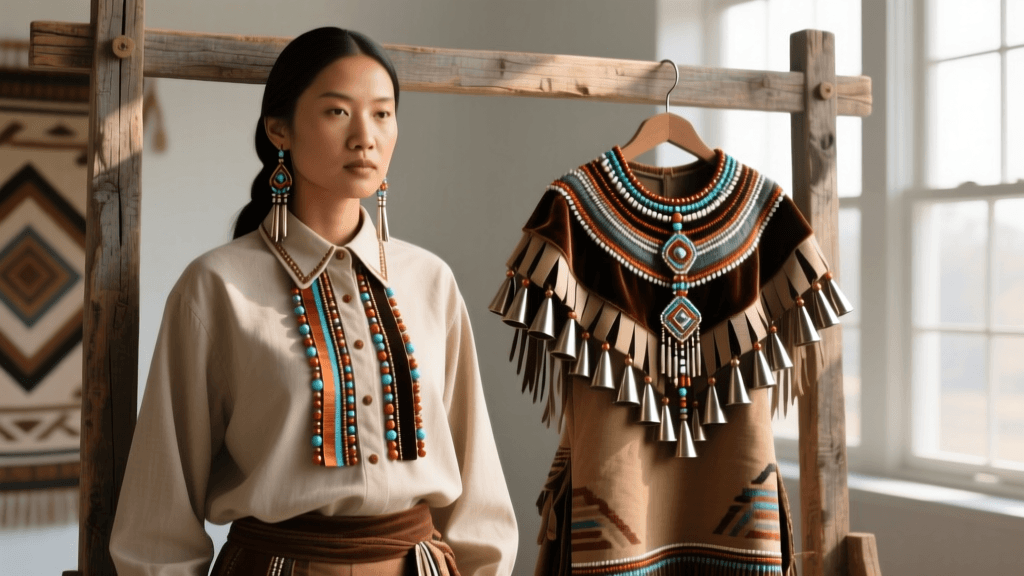
Historically, these shirts were worn by men, but in contemporary 2026 powwow culture, they are worn by people of all genders, often serving as formal regalia for dancers, singers, and community leaders. The defining feature of the Ribbon Shirt is its intricate appliqué work, where ribbons are folded, layered, and stitched onto a base fabric to create striking geometric or floral patterns.
Material Sourcing and 2026 Textile Trends
In 2026, the material landscape for Ribbon Shirts has shifted toward both premium heritage fabrics and eco-conscious alternatives. While traditional melton wool remains the gold standard for the shirt base, many artisans are now sourcing sustainably dyed cotton broadcloths and recycled wool blends to combat the rising costs of imported textiles.
- Base Fabric: Premium melton wool (60-66 inches wide) remains the top choice for its drape and durability. In 2026, expect to pay between $35 and $55 per yard for high-quality, colorfast wool.
- Ribbons: Double-faced satin ribbons are preferred for their vibrant sheen on both sides. Grosgrain is occasionally used for its textured grip, but satin provides the classic 'powwow shine'. Brands like Offray and Mayfair continue to dominate the market, though Indigenous-owned textile mills are beginning to offer specialized, naturally dyed ribbons.
- Thread and Needles: When sewing ribbons to wool, a heavy-duty polyester thread (like Gutermann Mara 100) is recommended. Use a size 90/14 or 100/16 denim or leather needle to penetrate the thick wool without breaking.
Construction Techniques: The Appliqué Method
The traditional appliqué method involves folding the edges of the ribbon under and stitching them down. In 2026, many sewists utilize a specialized sewing machine foot called a 'ribbon feed foot' or an 'edge joining foot' to maintain perfectly consistent spacing. The most common stitch used is a narrow zigzag or a blind hem stitch, which secures the ribbon while remaining nearly invisible on the surface.
Cultural Protocol Note: When designing a Ribbon Shirt, it is vital to consult with tribal elders regarding specific color palettes and motifs. Certain floral patterns are deeply tied to specific Great Lakes tribes, such as the Ojibwe and Potawatomi, while geometric step-patterns are more closely associated with Plains tribes like the Lakota and Cheyenne.
The Jingle Dress: Ojibwe Roots and Pan-Indigenous Evolution
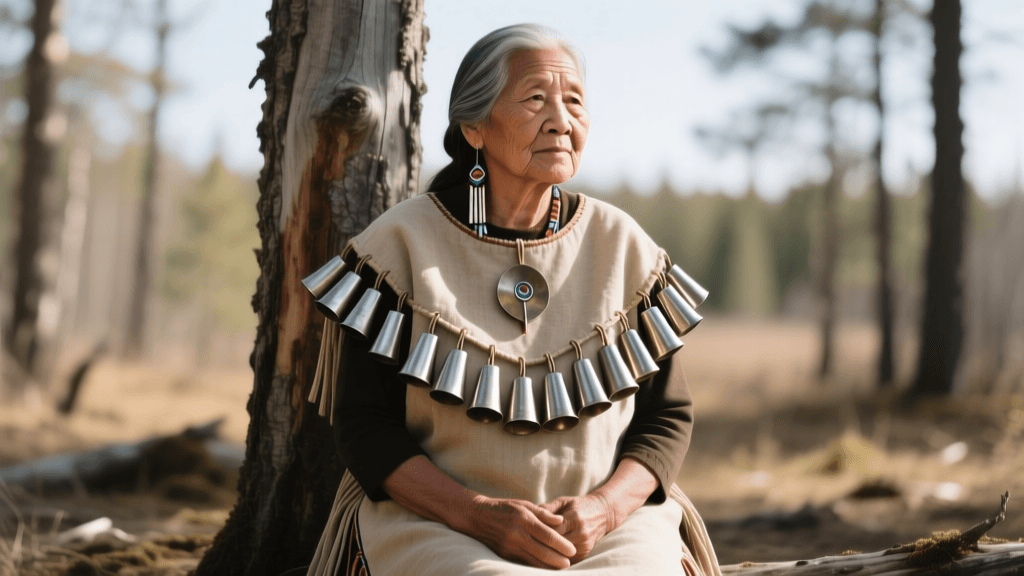
The Jingle Dress, often referred to as a healing dress, originated among the Ojibwe (Anishinaabe) people in the early 20th century. According to oral histories documented by institutions like the Ojibwe People's Learning Center, the dress was revealed in a dream to a medicine man whose daughter was gravely ill. The dream instructed him to create a dress adorned with metal cones that would create a specific, rain-like sound when danced in. Upon dancing in the dress, the daughter was healed.
From its origins in the Great Lakes, the Jingle Dress dance spread across North America during the Pan-Indian movement of the mid-20th century. Today, it is a staple at powwows from California to Canada. The Smithsonian's Native Knowledge 360 initiative highlights how the Jingle Dress has become a powerful symbol of Indigenous women's resilience, healing, and cultural continuity.
Sourcing Metal Jingles and Dress Construction
The 'jingles' themselves are the heart of the garment. Traditionally, these were made from rolled snuff can lids. In 2026, while some traditionalists still hand-roll tin or copper, the vast majority of dancers use commercially stamped aluminum or stainless steel jingles, which are lighter and produce a brighter, more resonant sound.
- Jingle Count: Tradition dictates that a healing dress should contain 365 jingles, representing every day of the year. However, for modern powwow competition dancers, a full 365 jingles can weigh upwards of 15 pounds, causing severe fatigue. In 2026, most competitive dresses feature between 100 and 250 jingles, strategically placed to maximize sound while minimizing weight.
- Attachment Methods: Jingles are attached using leather lacing, heavy cotton string, or ribbon ties. They must be spaced far enough apart so they do not tangle, but close enough to create a continuous 'shhh-shhh' sound when the dancer moves. A standard spacing is 1.5 to 2 inches apart horizontally, with rows staggered vertically.
- Dress Base: Unlike the heavy wool of the Ribbon Shirt, Jingle Dresses are typically made from lightweight, breathable fabrics like cotton-poly blends, rayon, or lightweight broadcloth to accommodate the vigorous footwork of the dance.
Regional Variations: A Comparison Chart
While both garments are seen at powwows nationwide, their construction, styling, and cultural protocols vary significantly by region. Below is a comparison of the standard 2026 specifications for both garments.
| Feature | Plains/Great Lakes Ribbon Shirt | Ojibwe/Pan-Indian Jingle Dress |
|---|---|---|
| Primary Base Material | Melton Wool, Heavy Cotton Broadcloth | Lightweight Poly-Cotton, Rayon, Chintz |
| Primary Decoration | Satin Ribbon Appliqué, Beadwork | Metal Cones (Jingles), Ribbon, Sequins |
| Average Material Cost (2026) | $150 - $300 | $200 - $450 (including metal jingles) |
| Construction Time | 40 - 80 hours | 60 - 120 hours |
| Dance Style Association | Men's Traditional, Golden Age, Formal | Women's Jingle Dress (Healing/Traditional) |
| Sound Profile | Silent (visual focus) | Rhythmic, rain-like metallic chiming |
Actionable Advice: Measuring and Fitting
If you are commissioning or sewing a Ribbon Shirt for the 2026 season, accurate measurements are critical. Unlike Western dress shirts, powwow Ribbon Shirts feature a 'drop shoulder' and a boxy, relaxed fit to allow for freedom of movement and to accommodate the drape of the wool.
- Chest Width: Measure around the fullest part of the chest, then add 4 to 6 inches for ease and the traditional boxy silhouette.
- Shoulder Drop: Measure from the base of the neck to the desired shoulder seam. Ribbon shirts often have a shoulder drop of 2 to 4 inches past the natural shoulder bone.
- Sleeve Length: Measure from the dropped shoulder point down to the wrist bone. Add 1 inch for hem allowance.
- Back Length: Measure from the base of the neck down to the desired hemline. Most men's shirts fall just below the hip, while women's tunic-style ribbon shirts may fall to the mid-thigh.
For Jingle Dresses, the bodice is typically fitted, while the skirt is gathered or pleated. Ensure the waistline sits at the natural waist to support the heavy weight of the jingles without pulling the neckline down.
Supporting Indigenous Artisans and Ethical Sourcing
As the demand for authentic Indigenous regalia grows, so does the market for mass-produced, culturally appropriated imitations. In 2026, it is more important than ever to support Indigenous artisans directly. Publications like ICT News frequently highlight the economic impact of the Native arts sector and the ongoing fight against counterfeit Indigenous goods.
When purchasing ribbons, beads, or fully constructed regalia, seek out verified Native-owned businesses. Many powwow vendors are now utilizing digital storefronts and social media to reach a global audience. Look for artisans who are enrolled members of federally or state-recognized tribes, and be prepared to pay a fair wage for the dozens of hours of meticulous hand-sewing and beadwork required to create these masterpieces.
Conclusion
The Ribbon Shirt and the Jingle Dress are far more than garments; they are armor, medicine, and history woven into fabric and metal. As the 2026 powwow trail unfolds, the dedication of Indigenous sewists, dancers, and knowledge-keepers ensures that these traditions will continue to evolve while remaining firmly rooted in the ancestral wisdom of the Plains and Great Lakes regions. By understanding the materials, respecting the protocols, and supporting Native artisans, we help preserve the vibrant heartbeat of Indigenous North American culture for generations to come.