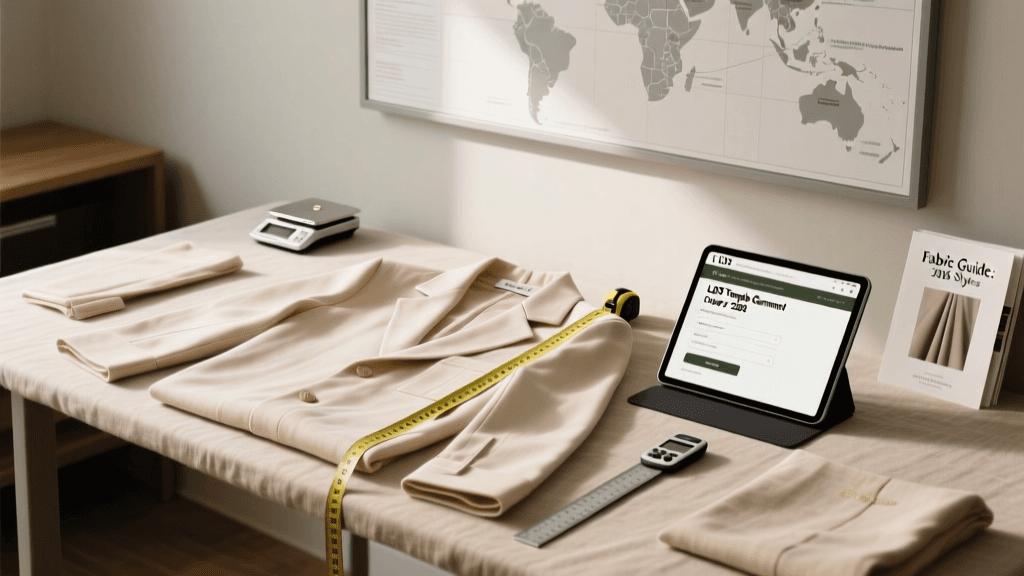
NYC vs LA Garment Districts: Traditional Textile Sourcing 2026
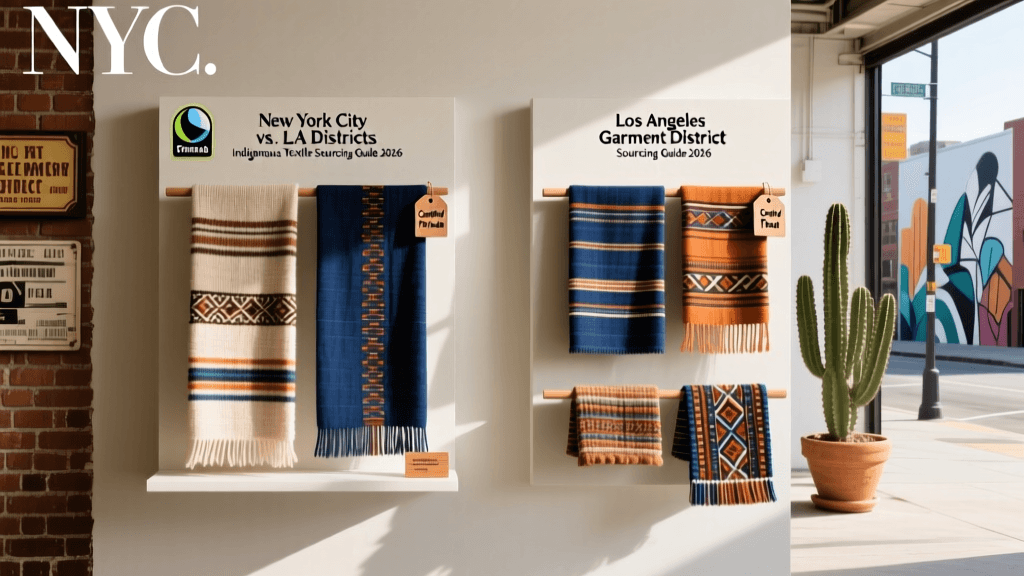
The 2026 Landscape of American Fashion Hubs
For designers, artisans, and cultural preservationists working within the Americas and Indigenous clothing space, sourcing the right materials is about more than just aesthetics. It is about historical accuracy, cultural respect, and structural integrity. Whether you are crafting Native American powwow regalia, designing Latin American folklorico dresses, or producing heritage Americana workwear, the raw materials dictate the authenticity of the final garment. In 2026, the two undisputed epicenters of American textile sourcing remain the New York City Garment District and the Los Angeles Fashion District. However, their specialties, supply chains, and vendor landscapes have evolved significantly.
Navigating these hubs requires an understanding of their distinct historical trajectories and current 2026 market realities. While NYC remains the premier destination for heavy heritage wools, intricate trims, and global broadcloth imports, LA has cemented its status as the gateway for Latin American textile imports, sustainable selvedge denim, and lightweight manta cottons. This comprehensive guide breaks down exactly how to source traditional and Indigenous textiles in both cities this year.
New York City Garment District: Heritage Wools, Broadcloth, and Regalia Trims
Spanning roughly from 34th to 42nd Streets between Fifth and Ninth Avenues, the NYC Garment District is a dense, vertical maze of showrooms and jobbers. According to Save the Garment Center, the district continues to adapt in 2026 by focusing on high-value, specialized textiles and small-batch manufacturing, making it an ideal hub for Indigenous designers and traditional garment makers who require specific historical fabrics.
Sourcing for Native American Regalia
For creators of traditional Native American apparel, such as ribbon skirts, shawls, and men's traditional dance regalia, the NYC district is unparalleled for trim and beadwork supplies. Stores along 38th Street specialize in wholesale glass beads, metallic ribbons, and specialized appliques. Furthermore, finding authentic Stroud cloth—a heavy wool historically used in the fur trade and essential for certain traditional garments—requires the specialized importers found in the upper 30s. In 2026, expect to pay between $35 and $55 per yard for premium imported wool melton and Stroud-style trade cloth, a slight increase from previous years due to sustainable milling practices in Europe.
Latin American and Caribbean Heritage Textiles
NYC also hosts a robust selection of Caribbean and South American textile importers, particularly in the lower ends of the district and nearby Chelsea. Designers looking for authentic guayabera linens, heavy Caribbean lace (mundillo), and Andean-inspired woven wools can find specialized jobbers who import directly from artisan cooperatives. The key in NYC is building relationships; many of the best heritage fabric stashes are not listed on digital inventories but are kept in the back rooms of family-owned trim shops.
Los Angeles Fashion District: Manta Cottons, Latin American Textiles, and Denim
Centered around the California Market Center and stretching through the streets of Downtown LA (particularly 9th and Maple), the LA Fashion District operates on a vastly different scale than NYC. It is sprawling, heavily focused on cut-and-sew manufacturing, and serves as the primary North American entry point for textiles originating from Mexico, Central America, and South America.
Sourcing for Latin American Traditional Garments
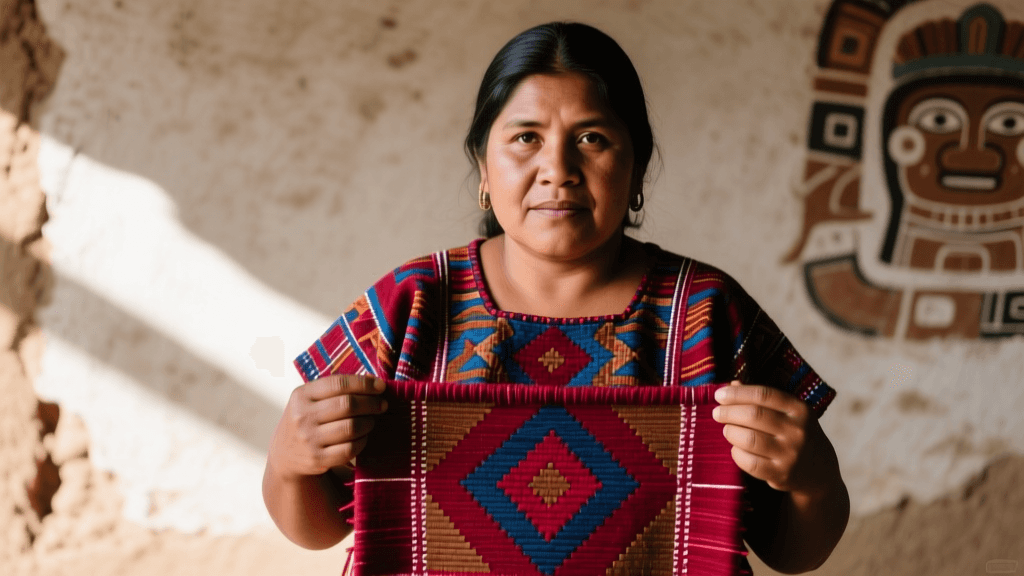
If your focus is on traditional Latin American clothing—such as Mexican charro suits, Oaxacan huipils, or Guatemalan ceremonial textiles—LA is your primary hub. The district features dozens of wholesalers specializing in manta cotton (the unbleached, heavy muslin essential for traditional Mexican embroidery and folklorico dresses). In 2026, wholesale manta cotton is highly competitive, averaging $4 to $8 per yard depending on the weight and weave. Additionally, LA importers bring in authentic, hand-loomed serape blankets and rebozos directly from weaving cooperatives in states like Tlaxcala and Oaxaca, allowing designers to source finished traditional textiles ethically and in bulk.
Heritage Americana and Selvedge Denim
For designers focusing on Indigenous-influenced Western wear or heritage Americana, LA's denim mills and showrooms are world-renowned. The district is home to specialized laundries and denim jobbers that stock deadstock selvedge denim from historic American and Japanese mills. Sourcing heavy 14oz to 22oz selvedge for traditional Western shirts, ranch jackets, and denim regalia is highly accessible here, with many vendors offering low minimum order quantities (MOQs) for independent designers in 2026.
Sourcing Comparison: NYC vs. LA in 2026
To help you plan your sourcing trips, we have compiled a direct comparison of the two districts based on the needs of traditional and Indigenous apparel designers.
| Feature | NYC Garment District | LA Fashion District |
|---|---|---|
| Primary Textile Focus | Heavy wools, broadcloth, intricate trims, global laces | Manta cottons, Latin American imports, selvedge denim |
| Best For | Native American regalia, Caribbean heritage wear, beadwork | Folklorico dresses, Western wear, huipils, ranch apparel |
| Average Fabric MOQ | 10 to 50 yards (varies heavily by showroom) | 1 roll (approx. 50-100 yards) for wholesale pricing |
| Trim & Notions | Unmatched; entire streets dedicated to beads and ribbons | Limited; mostly focused on basic apparel notions and zippers |
| 2026 Sourcing Trend | Traceable European wools and sustainable bead suppliers | Direct-trade artisan cooperatives from Mexico and Guatemala |
Ethical Sourcing and the Indian Arts and Crafts Act
When sourcing materials for Indigenous apparel, ethical considerations and legal compliance are paramount. The Indian Arts and Crafts Board strictly enforces the Indian Arts and Crafts Act, which prohibits misrepresentation in the marketing of Indian arts and crafts. While this act primarily applies to finished goods, it heavily influences how designers source and label their materials.
In both NYC and LA, you will encounter wholesalers selling 'Native-inspired' prints or counterfeit turquoise and beadwork. In 2026, educated designers are actively boycotting these vendors. Instead, use the garment districts to source the raw materials—the unbleached cottons, the high-quality wool meltons, the glass seed beads—and collaborate directly with certified Native American artisans for the specialized finishing work, such as porcupine quillwork, authentic turquoise inlay, and traditional ribbon applique. Both districts have seen a surge in 'transparent sourcing' showrooms that provide full supply chain documentation, ensuring that the dyes and fibers used do not exploit the very communities whose traditional designs are being honored.
Practical Navigation and Purchasing Tips for 2026
Whether you are flying into JFK or LAX, navigating these districts requires strategy. The post-pandemic shifts in wholesale operations have solidified into permanent practices by 2026. Here are the essential rules for sourcing traditional textiles this year:
- Timing is Everything: In NYC, showrooms are strictly open Tuesday through Thursday, 10:00 AM to 3:00 PM. Avoid Mondays and Fridays when many importers are closed or handling logistics. In LA, the California Market Center operates on more traditional retail hours, but the street-level wholesalers on Maple Avenue close early, usually by 4:00 PM.
- Cash vs. Net-30: While major showrooms require a registered LLC and offer Net-30 terms, many of the best trim and deadstock fabric jobbers in both cities still prefer cash or immediate wire transfers for first-time buyers. Bring a business card and be prepared to pay upfront to secure rare heritage textiles.
- Bring Your Own Swatches: When hunting for specific historical matches—such as the exact shade of navy blue used in 19th-century Navajo chief blankets or the specific weight of Oaxacan manta—digital photos on your phone are insufficient due to lighting distortions. Bring physical swatches or Pantone TCX chips to match against the jobbers' stock.
- Freight Forwarding: Both districts are congested. Do not attempt to carry 50 yards of heavy wool melton or bolts of denim on the subway or in a rideshare. Utilize the local, same-day courier services that operate specifically within the district boundaries to ship your rolls directly to your studio or hotel.
Ultimately, whether you choose the vertical showrooms of Manhattan or the sprawling warehouses of Downtown LA, the 2026 American fashion hubs remain vital arteries for the preservation and evolution of traditional and Indigenous garment making. By understanding the unique strengths of each district, designers can ensure their creations are rooted in authenticity, quality, and cultural respect.