Eco-Friendly Hanfu Dyeing: Pagoda Tree and Indigo Guide 2026
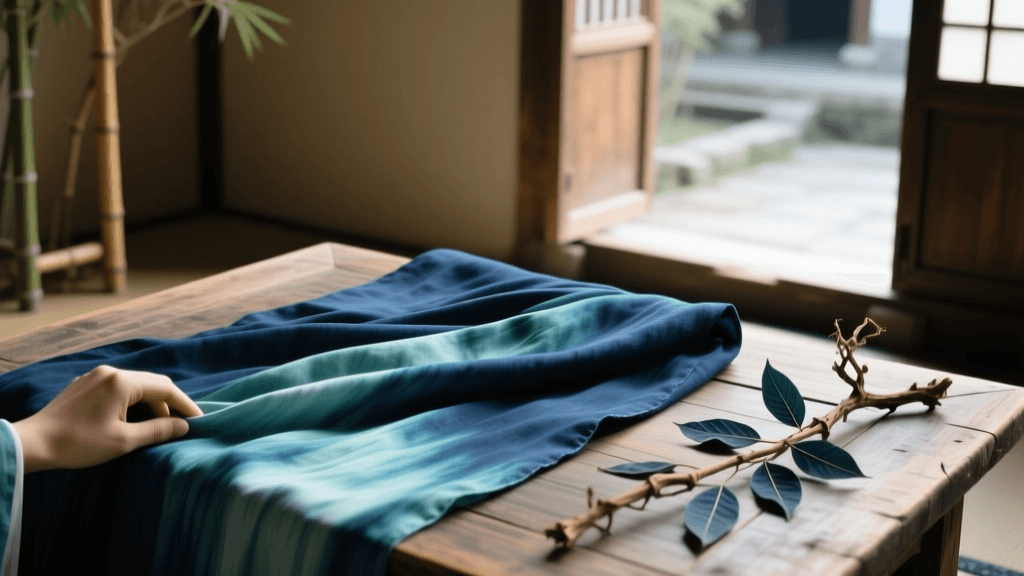
The Renaissance of Botanical Dyes in 2026
As the global fashion industry faces mounting pressure to reduce its environmental footprint, the resurgence of traditional Asian garments has intersected beautifully with the sustainable fashion movement. In 2026, the Hanfu revival is no longer just about historical accuracy in silhouette and weaving; it is equally about the ecological integrity of the textiles themselves. Synthetic azo dyes, which have dominated the textile industry for decades, are responsible for roughly 20% of global industrial water pollution. In response, modern artisans and eco-conscious consumers are turning back to ancient Chinese botanical dyeing techniques.
According to UNEP's comprehensive report on textile circularity, shifting toward natural, biodegradable dyes is a critical step in achieving a zero-waste textile value chain. By utilizing indigenous Chinese dye plants like the Pagoda Tree (Huai Hua) for vibrant yellows and Chinese Indigo (Dian Lan) for deep blues, we can create stunning, color-rich silk Hanfu that honors both cultural heritage and planetary health. This guide provides a complete, actionable methodology for extracting and applying these natural dyes to silk fabrics in your own studio or home.
Understanding the Plants: Huai Hua and Dian Lan
To master traditional Chinese dyeing, one must first understand the botanical and chemical properties of the plants involved. Unlike synthetic dyes that rely on petrochemical derivatives, these plants utilize complex organic compounds that bond beautifully with protein fibers like silk and wool.
Chinese Pagoda Tree (Sophora japonica)
Known in Mandarin as Huai Hua, the Chinese Pagoda Tree has been cultivated for centuries. The unopened flower buds are the primary source of dye, rich in flavonoids, specifically rutin and quercetin. When extracted with water and fixed with an alum mordant, these buds yield a brilliant, luminous yellow that was historically reserved for imperial garments during the Ming and Qing dynasties. The buds are highly sustainable to harvest, as collecting them does not harm the tree, and they can be dried and stored for years without losing their tinctorial strength.
Chinese Indigo (Strobilanthes cusia)
While many cultures use Indigofera tinctoria, traditional southern Chinese dyeing, particularly among the Miao and Dong ethnic minorities in Guizhou and Yunnan, relies heavily on Strobilanthes cusia, known as Dian Lan. This plant thrives in humid, subtropical climates and contains high concentrations of indican. Through a process of fermentation and oxidation, indican is converted into indigotin, the insoluble blue pigment. As highlighted by BBC Future's exploration of ancient natural dyes, indigo remains one of the most colorfast and culturally significant natural dyes in human history, capable of producing everything from pale sky blue to deep, midnight navy.
Step-by-Step Eco-Friendly Dyeing Process
Dyeing silk Hanfu requires precision, patience, and an understanding of fiber chemistry. Silk is a delicate protein fiber, meaning it is sensitive to high heat and extreme pH levels. The following steps are optimized for 2026 best practices in home and small-studio natural dyeing.
1. Scouring and Mordanting the Silk
Raw silk contains sericin, a natural gum that repels water and dye. Even if you purchase 'degummed' silk, a gentle scour is necessary to remove any manufacturing residues.
- Scouring: Fill a stainless steel pot with warm water (40°C) and add 2 grams of pH-neutral liquid soap per liter. Submerge your silk Hanfu fabric and gently agitate for 30 minutes. Rinse thoroughly with lukewarm water.
- Mordanting: For Pagoda Tree yellow, a mordant is required to bind the dye to the fiber. We recommend using Aluminum Potassium Sulfate (Alum). Calculate 15% Weight of Fabric (WOF) in alum and 5% WOF in cream of tartar. Dissolve these in hot water, add to a pot of warm water, and simmer the silk at 80°C for 45 minutes. Let the silk cool in the mordant bath overnight for maximum saturation.
2. Extracting Pagoda Tree Yellow
The extraction of yellow from Huai Hua buds is remarkably straightforward but requires strict temperature control to prevent the color from turning muddy or brown.
- Ratio: Use 100% WOF of dried Pagoda Tree buds for a deep, rich yellow, or 50% WOF for a softer, pastel hue.
- Extraction: Place the buds in a mesh bag and submerge them in a pot of water. Slowly bring the temperature to 80°C (176°F). Do not let the water boil. Maintain this temperature for 60 minutes. The water will turn a vibrant, neon yellow-green.
- Dyeing: Remove the dye bag, add your mordanted, wet silk to the pot, and hold the temperature at 80°C for another 45 minutes. Stir gently every 10 minutes. Turn off the heat and allow the fabric to cool completely in the dye bath before rinsing in cool water.
3. Building the Indigo Vat
Indigo is a vat dye, meaning it is insoluble in water and must be chemically reduced to bond with the fiber. In 2026, the fructose-lime reduction method is the gold standard for eco-friendly, non-toxic home dyeing.
- The Recipe (for a 20-liter vat): 50 grams of high-quality Strobilanthes cusia indigo powder, 100 grams of calcium hydroxide (slaked lime), and 150 grams of food-grade fructose.
- Reduction: In a separate bucket, dissolve the fructose and calcium hydroxide in 2 liters of hot water (50°C). In a small jar, make a paste of the indigo powder with a little hot water and rubbing alcohol to break the surface tension. Add the indigo paste to the bucket, stir gently, seal the lid, and wrap the bucket in a thermal blanket. Let it sit for 24 hours. The liquid should turn a clear, yellowish-green with a coppery film on top—this indicates successful reduction.
- Dyeing: Gently lower your wet silk into the vat, avoiding splashing to prevent unwanted oxidation. Leave it submerged for 10 minutes. Slowly pull the fabric out; it will appear yellow-green but will magically turn deep blue as it reacts with the oxygen in the air. Repeat this dip-and-oxidize process 4 to 8 times to build a dark, permanent blue.
Sustainability Metrics: Natural vs. Synthetic Dyes
Understanding the environmental impact of your choices is crucial for the modern Hanfu enthusiast. The table below compares the ecological footprint of traditional Chinese plant dyes against their conventional synthetic counterparts, based on 2026 lifecycle assessment data championed by organizations like Textile Exchange.
| Metric | Pagoda Tree & Indigo (Natural) | Azo & Vat Dyes (Synthetic) |
|---|---|---|
| Water Consumption (per kg of fabric) | 30 - 45 Liters | 100 - 150 Liters |
| Toxicity & Effluent | 100% Biodegradable, non-toxic | Contains heavy metals, carcinogens |
| Energy Required for Fixation | Low (80°C max, cold vat) | High (Boiling, high-pressure steam) |
| Colorfastness (Wash/Rub) | Good to Excellent (with proper mordant) | Excellent |
| End-of-Life Impact | Compostable, enriches soil | Microplastic shedding, soil contamination |
Sourcing Authentic Materials in 2026
The quality of your natural dye is entirely dependent on the quality of your raw materials. In 2026, the market for authentic, organically grown Chinese dye plants has matured significantly. When sourcing Huai Hua, look for buds that are tightly closed, vibrant green-yellow, and free from moisture damage. For Dian Lan indigo, seek out suppliers who practice traditional fermentation methods in Guizhou province, as this yields a much higher concentration of indigotin compared to rapid-extraction industrial methods. Always request a certificate of analysis (COA) or organic certification to ensure the plants were grown without synthetic pesticides, which can interfere with the dye chemistry.
Garment Care and Colorfastness
Naturally dyed silk Hanfu requires specific care to maintain its brilliance over decades. Unlike synthetic dyes, botanical dyes are 'living' colors that can shift slightly with pH changes. Always wash your dyed garments by hand in cool water using a pH-neutral, eco-friendly detergent. Never use bleach or enzymatic cleaners, as these will strip the natural pigments. When drying, keep the garment out of direct, harsh sunlight, as UV rays can fade flavonoid-based yellows over time. Store your Hanfu in a cool, dark, and well-ventilated closet, wrapped in acid-free tissue paper to prevent the fibers from becoming brittle.
Conclusion
The integration of Chinese Pagoda Tree and Indigo dyeing into modern Hanfu creation is more than a nostalgic nod to the past; it is a vital, forward-looking practice. By embracing these eco-friendly, sustainable methods in 2026, we not only preserve the intangible cultural heritage of Asian textile arts but also actively participate in healing the environment. Whether you are dyeing a flowing Ming-style skirt or a structured Song dynasty jacket, the vibrant, living colors of nature will imbue your garments with a depth and soul that synthetic chemicals simply cannot replicate.