2026 Hanfu Travel Wardrobe: Packing & Destination Guide
The Rise of the Hanfu Travel Capsule in 2026
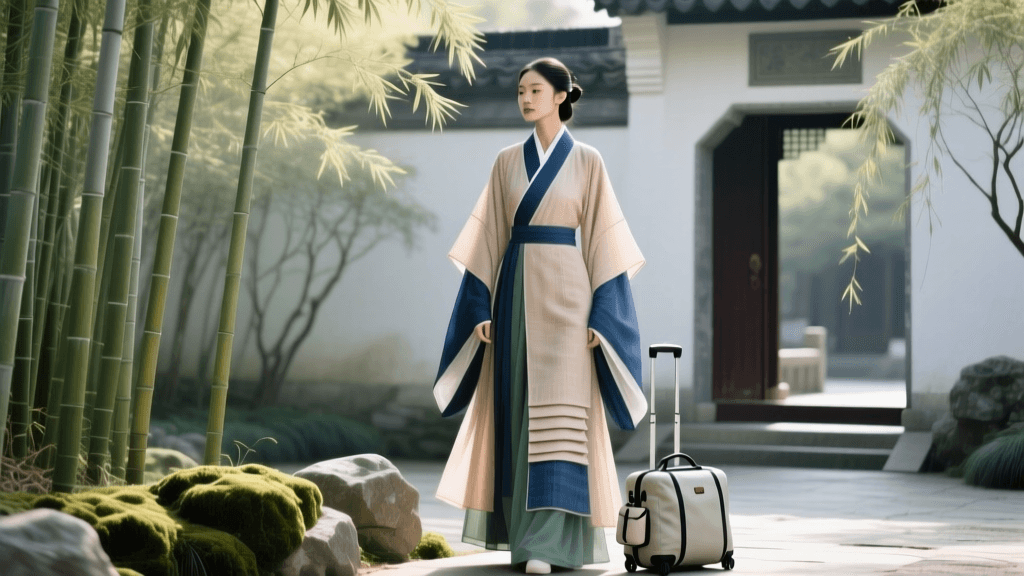
As global travel continues to evolve in 2026, the integration of traditional garments into everyday tourist wardrobes has reached unprecedented heights. The evolution of Hanfu from historical daily wear to a modern global fashion statement means that travelers are no longer reserving these beautiful garments solely for staged photoshoots. Instead, Hanfu is being worn on bullet trains, through bustling international airports, and along historic cobblestone streets. However, traveling with traditional clothing presents unique logistical challenges, from managing delicate fabrics to coordinating intricate layers. This comprehensive guide explores how to build a modular, wrinkle-resistant Hanfu travel wardrobe tailored for diverse global destinations in 2026.
Building Your Modular Hanfu Wardrobe
The secret to a successful travel wardrobe is modularity. Rather than packing five complete, single-use outfits, the modern Hanfu traveler relies on a capsule system where skirts, tops, and outerwear can be mixed and matched. The Song Dynasty aesthetic is particularly well-suited for this. A standard travel capsule might include two Beizi (traditional open-front jackets), three Songmo (pleated or wrap skirts), and a selection of lightweight inner tops.
By utilizing a neutral color palette for your base layers and reserving vibrant, heavily embroidered pieces for your outerwear, you can create over a dozen distinct looks from just six core garments. This approach not only saves valuable luggage space but also allows you to adapt to shifting weather patterns and varying cultural dress codes across different regions.
Fabric Technology: Surviving the Suitcase
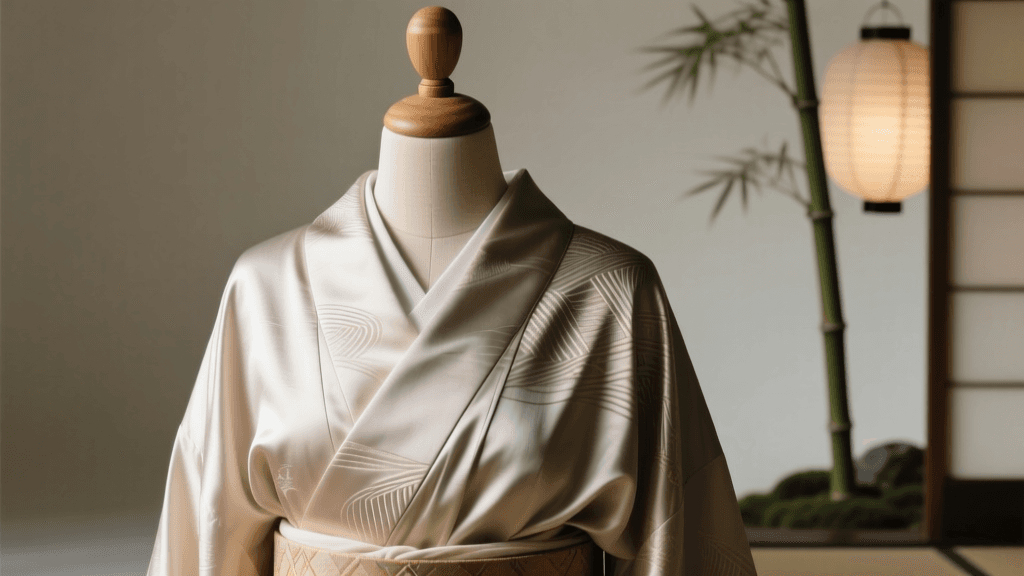
Historically, traditional Chinese garments relied heavily on pure silk. As recognized by UNESCO's Intangible Cultural Heritage listings for Chinese sericulture, traditional silk is a masterpiece of craftsmanship, but it is notoriously difficult to maintain on the road. Pure silk wrinkles instantly when compressed and requires specialized dry cleaning.
Fortunately, 2026 has brought remarkable advancements in textile engineering. The modern Hanfu market now offers high-quality Tencel-cotton blends, bamboo viscose, and advanced recycled polyester jacquards. These fabrics mimic the luxurious drape and subtle sheen of traditional silk but are entirely machine-washable and highly wrinkle-resistant. When packing a Mamianqun (horse-face skirt), opting for a synthetic-blend brocade ensures that the intricate pleats remain sharp even after being rolled tightly into a packing cube for a twelve-hour flight.
2026 Destination Wardrobe Matrix
Different climates and cultural environments require specific Hanfu adaptations. Below is a strategic matrix for planning your destination wardrobe this year.
| Destination | Climate & Season | Recommended Hanfu Style | Key Fabric & Features |
|---|---|---|---|
| Kyoto, Japan | Spring (Mild, Humid) | Tang-style Banbi & Qixiong Skirt | Breathable linen-cotton blends; light pastel hues to complement cherry blossoms. |
| Xi'an, China | Summer (Extreme Heat) | Song-style Beizi & Baizhe Skirt | Moisture-wicking bamboo viscose; wide sleeves for airflow and UV protection. |
| Paris, France | Autumn (Crisp, Windy) | Ming-style Aoqun (Jacket & Skirt) | Structured wool-blend Mamianqun; layered with modern turtlenecks underneath. |
| Harbin, China | Winter (Sub-Zero) | Ming-style Pifeng (Cloak) & Pi'ao | Faux-fur lined collars; thermal insulated inner layers; windproof outer shells. |
Destination Spotlight: Paris in Autumn
Wearing Hanfu in Western fashion capitals like Paris during Autumn Fashion Week requires a blend of historical elegance and modern warmth. The Ming Dynasty Aoqun is perfect here. The structured, high-collared jacket pairs beautifully with a thick, wool-blend Mamianqun. In 2026, many travelers pair this traditional silhouette with sleek, modern leather ankle boots and a minimalist wool beret, creating a cross-cultural fusion that respects the garment's origins while adapting to the Parisian street style aesthetic.
Essential Packing Gear & Garment Care
Packing traditional garments requires specialized gear to maintain their structural integrity. Drawing inspiration from the textile preservation techniques documented by institutions like the Metropolitan Museum of Art's Asian Art Department, modern travelers use archival-quality storage methods adapted for transit.
- Silk-Lined Compression Cubes: Standard plastic compression bags crush pleats and damage embroidery. Instead, use 2026's silk-lined, zip-compression cubes that gently reduce volume without applying harsh pressure to delicate jacquard weaves.
- Ultrasonic Travel Steamers: Forget bulky irons. The latest dual-voltage ultrasonic micro-steamers weigh less than a pound and emit a fine, dry mist that safely relaxes wrinkles from synthetic brocades and Tencel blends without risking water spots or heat damage.
- Magnetic Clasp Organizers: Modern Hanfu often utilizes hidden magnetic closures or intricate metal clasps. Pack a small, velvet-lined pill organizer to store spare magnets, decorative buttons, and detachable collar ornaments, preventing them from snagging on delicate fabrics in your suitcase.
- Hairpin Rolls: Traditional hairstyles require an array of hair sticks, pins, and combs. A padded, roll-up canvas organizer with individual elastic loops keeps sharp metal pins secure and prevents them from piercing your clothing during transit.
Footwear and Accessories for the Modern Nomad
One of the most significant hurdles in Hanfu travel is footwear. Traditional Yuntou (cloud-toe) shoes are visually stunning but lack the arch support required for a 15,000-step day of exploring ancient temples or sprawling museums. In 2026, the market has fully embraced the "Hanfu-compatible sneaker." These shoes feature the traditional upturned toe silhouette and embroidered uppers but are built on modern, orthotic-friendly EVA foam soles. They provide the necessary comfort for long travel days while maintaining the visual continuity of the traditional outfit.
When it comes to accessories, minimalism is key. Leave the heavy, elaborate ceremonial hairpieces at home. Opt for lightweight, resin-carved hair sticks and simple jade or glass bead hairpins that can withstand the rigors of travel. A versatile, embroidered silk scarf can serve multiple purposes: it can be worn as a modern Pibo (shawl), used to tie back hair on windy days, or draped over the shoulders to provide an extra layer of warmth in heavily air-conditioned transit hubs.
Conclusion
Traveling with Hanfu in 2026 is no longer a cumbersome endeavor reserved for the most dedicated enthusiasts. By embracing modular wardrobe planning, leveraging advanced wrinkle-resistant textiles, and utilizing specialized packing gear, you can seamlessly integrate traditional Chinese garments into your global adventures. Whether you are strolling through the bamboo groves of Kyoto or attending an autumn exhibition in Paris, a well-planned Hanfu travel wardrobe allows you to carry a piece of living history with you, beautifully and comfortably, wherever your travels may lead.