Kimono Travel Essentials 2026: What to Pack & Where to Wear
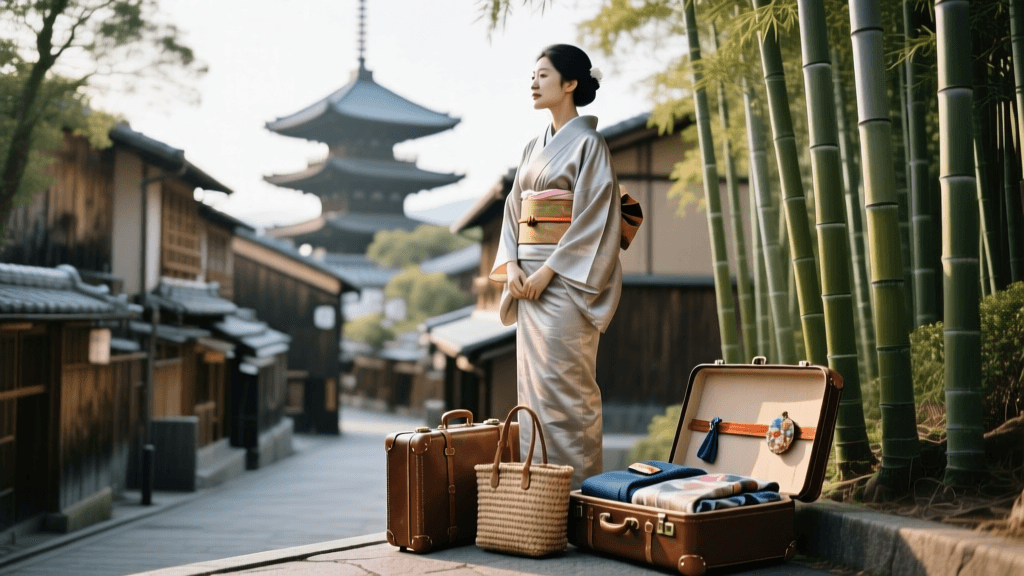
The 2026 Renaissance of Kimono Travel
As cultural immersion tourism reaches new heights in 2026, traveling to Japan with the intention of wearing traditional garments has evolved from a niche hobby into a mainstream travel pursuit. Whether you are bringing a cherished family heirloom, a vintage silk piece sourced from a Tokyo flea market, or simply planning to curate a high-end rental experience, knowing exactly what to pack and where to wear your kimono is essential. The intersection of traditional Japanese aesthetics and modern travel logistics requires careful planning. In 2026, local municipalities have updated their preservation guidelines, and travel gear has become more specialized than ever. This comprehensive guide will walk you through the ultimate kimono travel packing list, garment care on the go, and the best destinations to showcase your attire this year.
The Ultimate Kimono Travel Packing List
Packing a kimono is not as simple as folding a dress and placing it in a suitcase. Silk, in particular, is highly susceptible to hard creases, moisture damage, and friction. To ensure your garments remain pristine throughout your 2026 itinerary, you must pack strategically.
Base Layers and Modern Undergarments
The foundation of any kimono is the hadajuban (under-kimono) and susoyoke (wrap skirt). While traditional cotton or silk base layers are beautiful, they can be bulky and difficult to wash in a hotel sink. In 2026, the most popular travel hack among kimono enthusiasts is utilizing modern moisture-wicking technology. Brands like Uniqlo offer lightweight, breathable innerwear (such as their AIRism line) that serves as an excellent, low-profile alternative to traditional cotton undergarments. These modern fabrics regulate body temperature during humid Japanese summers and dry overnight after a quick hand-wash.
Garment Care and Wrinkle Prevention
Hard creases are the enemy of silk. To pack your kimono and obi (sash) without damaging the fibers, use the "core rolling" method. Lay the garment flat, place a roll of acid-free tissue paper or a dedicated cylindrical garment core along the shoulders, and gently roll the silk around it. Store the rolled garment in a breathable cotton furoshiki (wrapping cloth) rather than a plastic compression bag, which can trap moisture and cause mildew.
For steaming, bypass traditional hotel irons. Pack a premium dual-voltage travel steamer, such as the Steamery Cirrus No.3. This 2026 travel staple heats up in seconds, features a silk-safe delicate plate, and easily removes transit wrinkles without applying direct, damaging heat to delicate embroidery or gold leaf accents.
Footwear: Tabi and Zori Upgrades
Traditional split-toe tabi socks and zori sandals are mandatory for a complete look, but they can be brutal on unaccustomed feet during long days of walking. For travel, pack stretch-cotton tabi from specialized Kyoto brands like SOU-SOU. Their modern elastane-blend tabi offer the traditional split-toe aesthetic but provide the arch support and flexibility of a modern athletic sock. Additionally, pack silicone toe protectors and blister pads; the thong of a traditional zori sandal frequently causes friction between the first and second toes during extended walking sessions in historic districts.
2026 Packing Checklist: What to Bring
| Item | Purpose | Weight / Size | Travel Necessity |
|---|---|---|---|
| Steamery Cirrus No.3 Steamer | Safe, touch-free wrinkle removal for silk | 0.8 kg / Compact | High |
| Acid-Free Tissue Paper Rolls | Prevents hard creases via core-rolling method | 0.2 kg / Cylindrical | High |
| SOU-SOU Stretch Tabi | Traditional aesthetic with modern arch support | 0.1 kg / Foldable | Essential |
| Uniqlo AIRism Innerwear | Moisture-wicking hadajuban alternative | 0.1 kg / Ultra-thin | Essential |
| Silicone Toe Protectors | Prevents zori sandal friction and blisters | 0.05 kg / Pocket-sized | Moderate |
| Cotton Furoshiki Wraps | Breathable storage to prevent mildew | 0.2 kg / Flat | High |
Where to Wear: Top 2026 Kimono Destinations
Choosing the right location is just as important as the garment itself. In 2026, overtourism management has shifted the landscape of where and how you can comfortably wear a kimono. Here are the top destinations that balance historical authenticity, aesthetic beauty, and pedestrian comfort.
Kyoto: Higashiyama and Updated Gion Etiquette
Kyoto remains the undisputed capital of kimono culture, but navigating it in 2026 requires awareness of updated local ordinances. The iconic Higashiyama district, with its sloping streets of Sannenzaka and Ninenzaka, offers the perfect backdrop for vibrant silk kimonos. The wide, paved inclines are relatively forgiving for zori sandals. However, travelers must be acutely aware of the strict photography and pedestrian etiquette enforced in the nearby Gion district. According to the Kyoto City Official Travel Guide, private alleyways in Gion are strictly off-limits to tourists to protect the privacy of working geiko and maiko. Stick to main public thoroughfares for your photography and promenades, ensuring you respect the living cultural heritage of the city.
Kanazawa: The Elegant Alternative
For travelers seeking a more relaxed, deeply traditional experience without the dense crowds of Kyoto, Kanazawa is the premier 2026 destination. The Higashi Chaya geisha district features beautifully preserved wooden teahouses and cobblestone streets that are incredibly photogenic. Kanazawa is also famous for its Kaga Yuzen silk dyeing tradition. Wearing a kimono here, particularly one featuring intricate, nature-inspired Kaga Yuzen patterns, shows a deep appreciation for local craftsmanship. The pedestrian zones are spacious, and the local tea houses frequently offer special discounts or private seating arrangements for patrons dressed in full traditional attire.
Kawagoe: Little Edo Charm
Located just a short train ride from Tokyo, Kawagoe is known as "Little Edo" due to its surviving kurazukuri (clay-walled warehouse) buildings. In 2026, Kawagoe has expanded its kimono-friendly infrastructure, offering dedicated resting spots and luggage forwarding services for dressed travelers. It is the ideal location for wearing slightly more casual, retro-patterned kimonos or high-quality yukata, blending seamlessly with the Taisho-era romanticism of the city's famous Candy Alley and bell tower.
Renting vs. Packing: A 2026 Comparison
Should you haul your own silk across the globe, or rely on Japan's booming rental industry? The decision depends on your itinerary, budget, and dedication to garment authenticity.
| Factor | Bringing Your Own Kimono (2026) | Renting Locally in Japan (2026) |
|---|---|---|
| Authenticity & Fit | Perfect custom fit; authentic vintage or heirloom silk. | Standardized sizing; mostly modern, mass-printed polyester blends. |
| Cost | High initial cost; zero daily rental fees. | Average ¥6,000 - ¥12,000 per day; premium silk options up to ¥25,000. |
| Logistics | Requires careful packing, steaming, and self-dressing skills. | Zero packing stress; includes professional dressing and hair styling. |
| Best For... | Tea ceremony practitioners, vintage collectors, long-term stays. | Casual tourists, day-trippers, those wanting full salon styling. |
Navigating Cultural Etiquette and Dressing Standards
Wearing a kimono in Japan is widely celebrated by locals as a sign of respect and admiration for the culture. However, wearing it incorrectly can inadvertently signal disrespect. The Kyoto Costume Institute emphasizes the historical importance of the "left over right" collar rule. Crossing the right side of the collar over the left is strictly reserved for dressing the deceased for burial. Always ensure your left lapel rests over your right.
Furthermore, the Japan National Tourism Organization (JNTO) advises travelers to be mindful of their posture and surroundings. Kimono sleeves (furisode or standard) are long and can easily knock over fragile ceramics in antique shops or dip into soup bowls at restaurants. When sitting, gently gather your sleeves and rest them on your lap. When walking through crowded markets, hold your sleeves slightly inward to prevent brushing against other pedestrians or street food stalls.
"The beauty of the kimono lies not just in the silk, but in the mindful movement of the wearer. Traveling with these garments teaches you to slow down, observe your space, and engage with the environment deliberately." — Cultural Heritage Guidelines, 2026.
Final Thoughts for Your 2026 Journey
Traveling with a kimono in 2026 is a deeply rewarding endeavor that bridges the gap between being a passive observer and an active participant in Asian traditions. By packing smart, utilizing modern travel technology to protect vintage textiles, and choosing destinations that align with your garment's formality, you ensure a seamless and respectful cultural exchange. Whether you are sipping matcha in a Kanazawa teahouse or walking the preserved slopes of Higashiyama, your carefully curated travel kit will allow you to step into history with comfort, confidence, and grace.