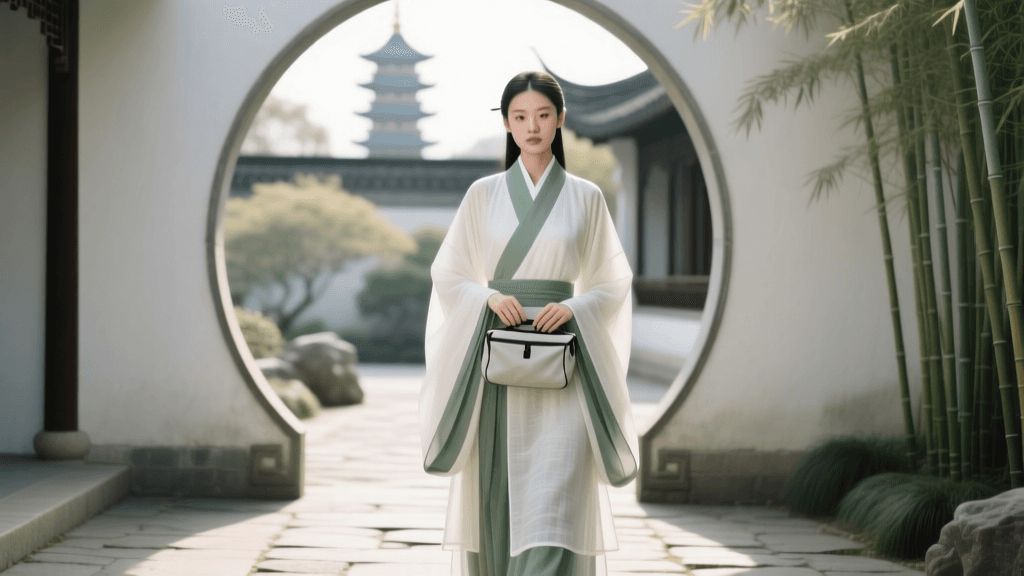
Best Hanfu for Tai Chi & Qigong in 2026: Fabric & Fit Guide
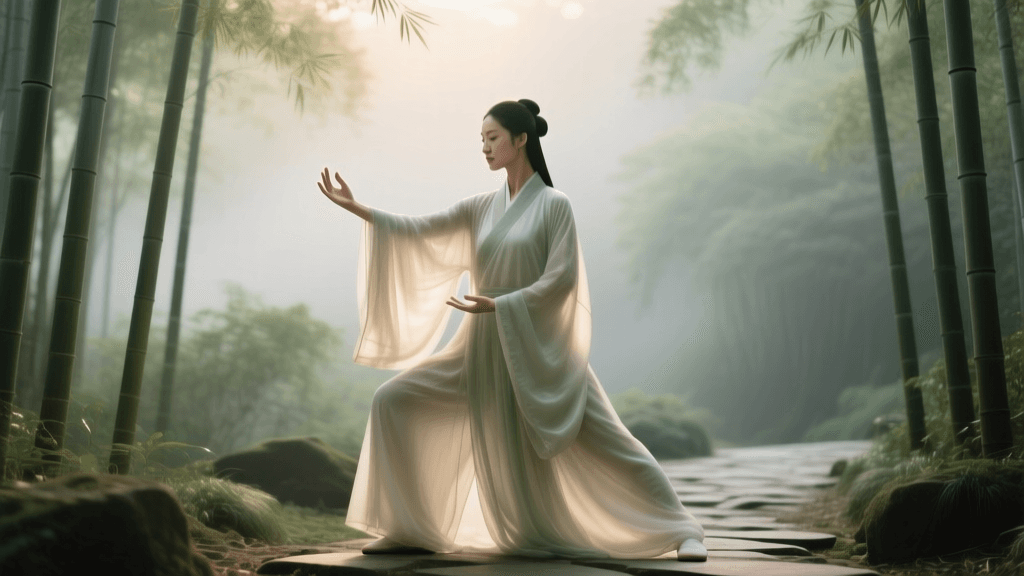
As the Xin Zhongshi (New Chinese Style) movement matures in 2026, the integration of traditional Hanfu into daily wellness routines has reached new heights. No longer reserved solely for festivals or historical reenactments, traditional Chinese garments are increasingly being adopted by practitioners of internal martial arts and moving meditations. The intersection of Hanfu and traditional Chinese wellness practices like Tai Chi and Qigong represents a profound synthesis of physical movement, energetic flow, and cultural heritage.
According to the National Center for Complementary and Integrative Health (NCCIH), Tai Chi and Qigong are renowned for their ability to improve balance, reduce stress, and enhance overall mind-body connection. However, to fully experience the benefits of these practices, the physical restriction of modern, synthetic activewear can sometimes hinder the natural flow of Qi (vital energy). This is where the traditional wisdom of Hanfu design becomes highly relevant. In this comprehensive 2026 guide, we explore the best fabrics, silhouettes, and fits to optimize your wellness practice while honoring Asian sartorial traditions.
The Philosophy of Qi and Garment Drape
In traditional Chinese medicine and martial arts, Qi flows through the body's meridians, which run closely along the limbs and torso. Tight clothing, restrictive waistbands, and synthetic fabrics that trap heat can create physical and energetic blockages. The foundational philosophy of Hanfu is rooted in harmony with nature and the human form. Unlike Western tailoring, which often seeks to contour and restrict the body to a specific shape, traditional Chinese tailoring relies on flat-cutting, generous draping, and natural fibers. This allows for a microclimate of air to circulate between the skin and the fabric, facilitating thermoregulation and unrestricted meridian flow during the slow, deliberate movements of Tai Chi.
Research highlighted by Harvard Health Publishing emphasizes the importance of comfort and relaxation in achieving the meditative state required for Tai Chi. When your clothing moves fluidly with your body, it acts as an extension of your energy rather than a barrier, allowing for deeper concentration and more profound physical release.
Top Hanfu Fabrics for Tai Chi and Qigong in 2026
Selecting the right textile is paramount for internal arts. The 2026 market offers a renaissance of heritage fabrics woven with modern eco-friendly techniques, providing unprecedented comfort for wellness practitioners.
1. Mulberry Silk (Sangcan Si)
Mulberry silk remains the gold standard for Qigong practice, particularly for indoor or temperate-climate sessions. Silk is a natural protein fiber that shares structural similarities with human skin, making it exceptionally breathable and hypoallergenic. For 2026 wellness apparel, look for silk in the 19 to 22 momme weight range. This weight provides enough durability to withstand the friction of repeated movements without sacrificing the legendary fluid drape of the fabric. Silk's natural thermoregulating properties keep the practitioner cool during vigorous Yang-style Tai Chi forms and warm during static Zhan Zhuang (standing meditation).
2. Ramie and Linen Blends (Xia Bu)
For outdoor practice, particularly in the humid summer months, Ramie (often referred to as Chinese linen) is the superior choice. Ramie fibers are naturally stiff but soften beautifully with wear and washing, offering excellent moisture-wicking properties. Modern 2026 textile innovations have blended ramie with organic cotton or bamboo to reduce the initial coarseness while retaining the fabric's structural integrity. A ramie-cotton blend Hanfu top provides a crisp, structured drape that prevents the fabric from clinging to the skin when sweating, ensuring that your Qi remains unobstructed.
3. Bamboo-Cotton Jersey and Woven Blends
While not a historical fabric in the context of ancient Hanfu, bamboo has deep roots in Asian culture and has become a staple in the modern Xin Zhongshi wellness wardrobe. Bamboo-derived viscose blended with organic cotton offers a soft, stretchable, and highly breathable material. Many contemporary Hanfu designers in 2026 are utilizing bamboo-cotton for the inner layers (Zhongyi) or for modernized, simplified Hanfu cuts designed specifically for daily Qigong routines, offering the aesthetic of tradition with the ease of modern loungewear.
Ideal Silhouettes and Cuts for Unrestricted Movement
The cut of a Hanfu garment dictates how it interacts with the body in motion. For Tai Chi and Qigong, the silhouette must accommodate deep stances (Ma Bu), wide arm sweeps, and spinal rotations.
The Cross-Collar (Jiaoling Youren) Top
The classic cross-collar, right-over-left closure is iconic to Hanfu. For wellness practices, this design is highly functional. The V-neckline created by the cross-collar allows for unrestricted neck movement and prevents the choking sensation that high, tight collars can cause during deep breathing exercises (Tu Na). Ensure that the inner collar sits flat against the collarbone to avoid chafing during repetitive shoulder rolls.
Sleeve Dynamics: Shouxiu vs. Kuanxiu
Sleeve choice depends entirely on the specific discipline you are practicing:
- Kuanxiu (Wide Sleeves): Ideal for slow, flowing Qigong routines, Ba Duan Jin (Eight Brocades), and meditative practices. The wide sleeves act as visual extensions of the arms, helping practitioners track the fluidity and circularity of their movements. However, they can be cumbersome for fast-paced martial applications.
- Shouxiu (Narrow/Fitted Sleeves): Essential for active Tai Chi Chuan, sword forms (Jian), or fan routines. Narrow sleeves prevent the fabric from catching on the wrists or obscuring hand placements (such as the precise finger alignments required in Chen style Tai Chi).
Bottoms: Kuzhe vs. Mamianqun
While the Mamianqun (horse-face skirt) is immensely popular in the 2026 Xin Zhongshi streetwear scene, it is generally impractical for low-stance Tai Chi due to the risk of tripping or restricting the inner thigh. Instead, practitioners should opt for Kuzhe (traditional pleated or gathered trousers) or loose-fitting, wide-leg drawstring pants. These bottoms provide the modesty and elegant drape of traditional dress while allowing for deep lunges and wide horse stances without binding at the knees or hips.
Fabric and Silhouette Comparison Chart
| Practice Type | Recommended Fabric | Ideal Silhouette | Best Season |
|---|---|---|---|
| Static Qigong / Zhan Zhuang | 19-22 Momme Mulberry Silk | Wide Sleeves (Kuanxiu), Long Robe | Spring / Autumn |
| Slow Form Tai Chi (Yang Style) | Bamboo-Cotton Blend | Cross-Collar Top, Wide Trousers | Summer / Indoor |
| Martial Tai Chi / Sword Forms | Ramie-Linen Blend | Narrow Sleeves (Shouxiu), Tied Cuffs | All Seasons |
| Outdoor Park Ba Duan Jin | Organic Cotton / Hemp | Short Tunic, Loose Drawstring Pants | Summer / Humid |
Footwear: Grounding Your Practice
Traditional Chinese wellness practices emphasize 'rooting' or grounding the body's energy into the earth. Modern, heavily cushioned running shoes disrupt this connection and alter the biomechanics of the foot during Tai Chi stances. In 2026, the traditional Yunxie (cloud shoe) has seen a major revival among serious practitioners. These shoes feature a flat, thin, flexible sole made of layered cotton or natural rubber, allowing the practitioner to feel the ground and properly distribute weight across the涌泉 (Yongquan / Kidney 1) acupressure point on the sole of the foot. When paired with traditional cotton cloth socks, cloud shoes provide the perfect balance of grip, flexibility, and energetic grounding.
Seasonal Adaptations and Layering
According to the Mayo Clinic, maintaining a comfortable body temperature is crucial for reaping the stress-relief benefits of mind-body exercises. The traditional Chinese layering system is perfectly suited for this. In colder months, practitioners can utilize the Bijia (a traditional sleeveless vest) padded with raw silk floss or organic cotton. This provides core warmth without restricting the shoulder girdle or arm mobility, which is a common issue with modern winter sports jackets. Layering a thin silk Zhongyi (inner garment) beneath a heavier ramie outer layer also traps insulating air while wicking moisture away from the skin.
Caring for Your Wellness Hanfu
To maintain the energetic purity and physical longevity of your natural fiber Hanfu, proper care is essential. Silk and ramie should never be subjected to harsh chemical detergents or high-heat machine drying. Hand wash your practice garments in cool water using a pH-neutral, enzyme-free detergent designed for delicate protein fibers. Avoid wringing the fabric; instead, press the water out gently and lay the garment flat to dry in the shade. Direct UV exposure can degrade silk proteins and cause ramie to become brittle. By treating your garments with respect, you preserve their drape and ensure they remain a supportive partner in your wellness journey for years to come.
Conclusion
The integration of Hanfu into Tai Chi and Qigong is more than a stylistic choice; it is a return to the holistic roots of Asian wellness traditions. By selecting the appropriate natural fabrics, honoring the traditional silhouettes that promote energetic flow, and grounding yourself in proper footwear, you elevate your practice from mere physical exercise to a moving meditation. As the Xin Zhongshi movement continues to evolve in 2026, embracing these traditional garments offers a profound way to connect with cultural heritage while nurturing your physical and spiritual well-being.