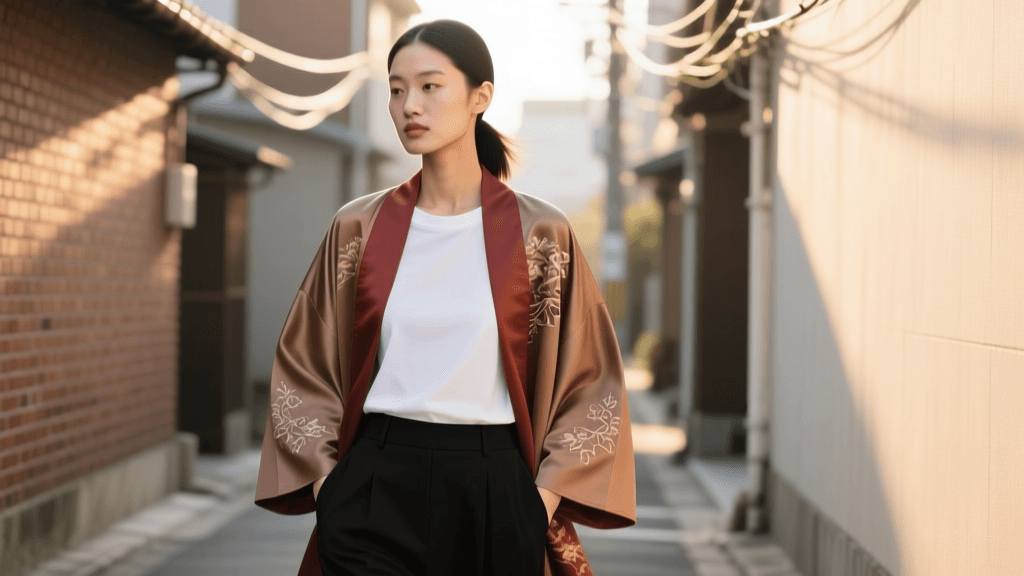
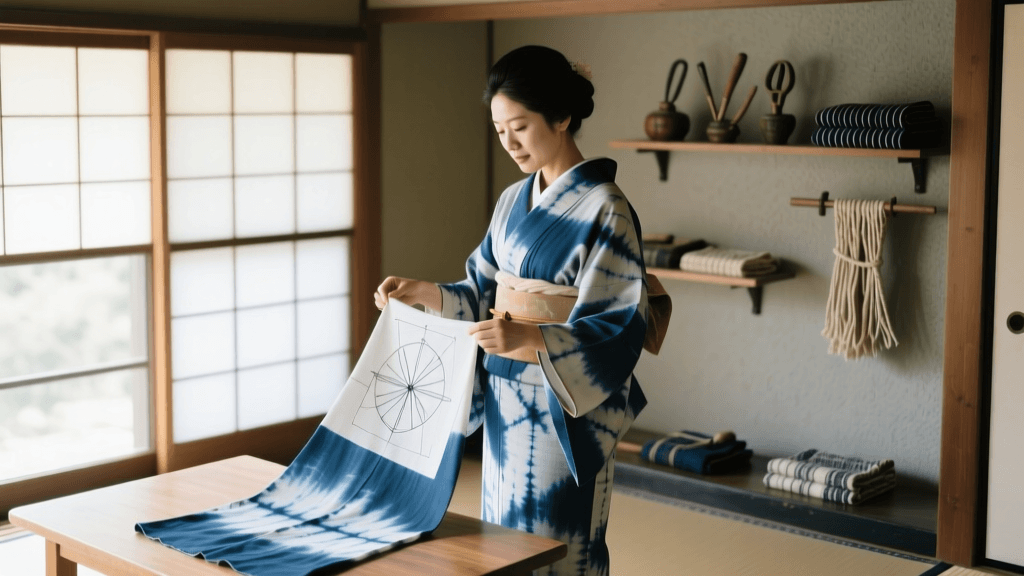
Kimono Travel Essentials 2026: Packing Guide & Where to Wear
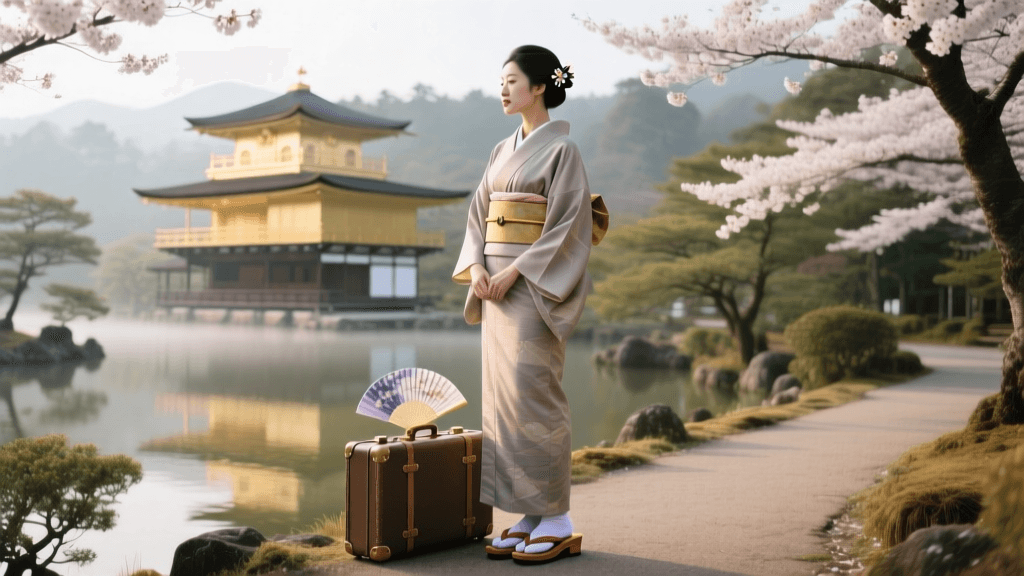
Introduction to Kimono Travel in 2026
Traveling to Japan in 2026 offers an unparalleled opportunity to immerse yourself in the living history of Asian traditions. As global tourism embraces "slow travel" and deep cultural engagement, wearing a kimono is no longer just a fleeting photo opportunity—it is a respected way to connect with Japanese heritage. However, bringing your own traditional garments across the globe requires meticulous planning. The layered nature of kimono dressing (kitsuke) means that forgetting a single, seemingly minor accessory can render the entire outfit unwearable.
Whether you are a seasoned collector of vintage textiles or a beginner who has invested in a modern, travel-friendly set, knowing exactly what to pack and where to wear your garments is crucial. This comprehensive guide outlines the ultimate kimono packing checklist for 2026, highlights modern travel adaptations, and details the most culturally appropriate and scenic destinations to showcase your attire.
Renting vs. Packing: The 2026 Perspective
While rental shops in Kyoto, Tokyo, and Kanazawa have vastly modernized their offerings for 2026—providing high-quality silk, professional dressing, and English-speaking staff—there are distinct advantages to packing your own kimono. Renting is ideal for a one-off experience, but it restricts your wardrobe to the shop's inventory and often comes with strict time limits and curfews. By packing your own kimono, you gain the freedom to wear your garment at sunrise before the crowds arrive at popular shrines, style it to your personal taste, and wear it across multiple days and cities. Furthermore, bringing your own garment ensures a perfect fit, which is especially important for taller or plus-size travelers who may find standard rental inventories limiting.
The Ultimate Kimono Packing Checklist
The anatomy of a kimono outfit is complex. To ensure you can dress yourself (or have a local dressmaker assist you) without missing a layer, you must pack systematically. Below is the breakdown of the essential garments and accessories required for a complete, traditional look.
1. The Core Garments
- Kimono or Yukata: For spring, autumn, and winter, pack a lined kimono (awase) or an unlined one (hitoe) for early summer. For the humid Japanese summer, a cotton or linen yukata is mandatory. According to the Victoria and Albert Museum (V&A) Kimono Collection, the structural integrity of these garments relies on precise folding, so pack them in a dedicated, breathable garment bag.
- Nagajuban (Under-Kimono): This protects your outer kimono from sweat and skin oils. For travel, a two-piece nagajuban (hadajuban top and susoyoke skirt) is highly recommended as it is easier to pack and wash.
- Haneri (Detachable Collar): This decorative collar is sewn or pinned onto the nagajuban. It is the only part of the undergarment visible at the neckline. Pack at least two so you can swap them if one becomes soiled.
2. Essential Tying and Shaping Accessories
- Obi: The wide sash that secures the kimono. For travel, a fukuro obi (formal) or a hanhaba obi (casual, narrow) made of wrinkle-resistant synthetic blends is ideal.
- Datejime (2 required): Wide, elasticized belts used to secure the kimono and nagajuban flat against the body before the obi is tied.
- Koshihimo (4 to 5 required): Thin, long ties used to secure the length of the kimono and hold the obi in place during the tying process. Cotton or silk blends provide the best grip.
- Obiage and Obijime: The obiage is a decorative silk scarf that tucks into the top of the obi, while the obijime is a braided cord that ties around the center of the obi to secure the knot.
- Obi-ita (Obi Board): A stiff board inserted into the obi to prevent wrinkling when tying the knot.
3. Footwear and Undergarments
- Tabi: Traditional split-toe socks. Always pack white tabi for formal wear, and colored or patterned tabi for casual yukata.
- Zori or Geta: Zori are formal flat sandals, while geta are wooden clogs for casual wear. Ensure the thongs (hanao) are securely attached, as repairing them on the road in 2026 can be difficult outside of specialized districts.
- Kimono Bra and Padding: Traditional kimono dressing requires a cylindrical silhouette. Pack a specialized kimono bra (which minimizes the bust) and small cotton towels to pad the waist and hips.
Structured Packing Weight & Priority Table
| Item Category | Specific Items | Est. Weight | 2026 Travel Tip |
|---|---|---|---|
| Outerwear | Kimono, Haori (jacket) | 1.2 - 1.8 kg | Roll silk garments around acid-free tissue paper to prevent deep creases. |
| Under-layers | Nagajuban, Hadajuban, Susoyoke | 0.5 - 0.8 kg | Opt for moisture-wicking synthetic blends for summer travel. |
| Ties & Belts | Datejime, Koshihimo, Obi-ita | 0.4 - 0.6 kg | Use elasticized datejime with velcro for faster, independent dressing. |
| The Obi | Fukuro or Hanhaba Obi | 0.6 - 1.0 kg | Pre-fold the obi knot at home and secure it with a decorative clip for instant wear. |
| Footwear | Tabi, Zori, Geta | 0.8 - 1.2 kg | Pack silicone toe protectors to prevent blisters from traditional thong sandals. |
Modern Travel Adaptations for 2026
The intersection of tradition and modern convenience has yielded excellent innovations for the traveling kimono enthusiast. In 2026, the market is saturated with "travel-friendly" traditional wear. Look for kimonos made from high-grade polyester chirimen (crepe) that perfectly mimic the texture and drape of silk but can be machine-washed and resist wrinkling. Additionally, magnetic obijime clasps and pre-tied "tsuke-obi" (clip-on obi) have become incredibly sophisticated, allowing travelers to achieve a flawless, professional-looking back knot in seconds without the grueling physical effort of tying a traditional fukura-suzume or taiko-musubi knot in a cramped hotel room.
Another essential item for your 2026 luggage is a high-quality, compact travel steamer. While many hotels provide irons, ironing a silk kimono flat on a board is a recipe for disaster. A handheld steamer allows you to gently release wrinkles from the sleeves and hem while the garment hangs safely on a specialized kimono hanger (emono-kake).
Where to Wear Your Kimono: Top Destinations & Etiquette
Wearing a kimono requires an understanding of spatial awareness and cultural respect. The Kyoto City Tourism Association frequently updates guidelines to ensure that both locals and tourists can coexist harmoniously in historic districts. Here are the best places to wear your kimono, along with specific etiquette notes.
1. Kyoto: Higashiyama and Gion
The preserved streets of Ninenzaka and Sannenzaka, leading up to Kiyomizu-dera, are iconic. The wooden machiya houses and stone-paved paths provide a stunning backdrop. However, this is also the most crowded area.
- Etiquette: Do not block narrow pathways for photographs. Never sit directly on public benches or stone walls, as the dust and dirt will soil your hem. When walking, practice the "kimono glide"—taking small, inward-pointed steps to keep the hem from flapping open.
2. Kanazawa: Higashi Chaya District
Kanazawa offers a more relaxed, intimate atmosphere compared to Kyoto. The Higashi Chaya geisha district is meticulously preserved, and the city actively encourages traditional dress, often offering discounts at local tea houses and museums for visitors in kimono.
- Etiquette: When entering traditional tea houses, you will be required to remove your zori. Ensure your tabi socks are pristine and free of holes. Be mindful of your long kimono sleeves (furisode or standard) when reaching for tea bowls to avoid knocking over delicate ceramics.
3. Tokyo: Yanaka and Nezu Shrine
For a taste of the "shitamachi" (old downtown) vibe in Tokyo, Yanaka Ginza and the nearby Nezu Shrine are perfect. The vermilion torii gates at Nezu Shrine rival Kyoto's Fushimi Inari but with a fraction of the crowds, making it an ideal spot for unhurried photography.
- Etiquette: When bowing at the shrine, hold your sleeves together in front of you with one hand to prevent them from dragging on the ground or dipping into the purification fountain (chozuya).
Navigating Transit and Weather in Traditional Wear
Japan's public transportation system is incredibly efficient, but navigating it in a kimono requires strategy. When riding the subway or shinkansen, gather your sleeves and hold them in your lap to prevent them from brushing against neighboring passengers or the floor. When passing through automated ticket gates, turn slightly sideways to ensure your obi knot does not bump the sensors or other commuters.
Weather can be the greatest adversary of the kimono traveler. If rain is forecasted, the Japan National Tourism Organization (JNTO) recommends adapting your plans, as silk is easily water-spotted and ruined. If you must go out, wear a traditional raincoat (amagoi) and rain-specific zori with rubber covers, and hike your hem slightly higher using a specialized rain clip. In the sweltering heat of July and August, abandon the kimono entirely in favor of a breathable linen yukata, and carry a traditional folding fan (sensu) to generate a breeze and manage perspiration.
Conclusion
Packing and wearing a kimono during your 2026 travels through Japan is a deeply rewarding endeavor that bridges the gap between observer and participant in Asian traditions. By meticulously preparing your accessories, embracing modern travel-friendly textiles, and adhering to local etiquette in historic districts, you ensure that your sartorial choices are both respectful and visually stunning. Whether you are strolling through the bamboo groves of Arashiyama or sipping matcha in a Kanazawa tea house, your carefully packed kimono will transform your journey into a living, breathing work of art.