Hanfu Travel Wardrobe 2026: Packing Essentials & Styling Tips
The Rise of the Global Hanfu Traveler in 2026
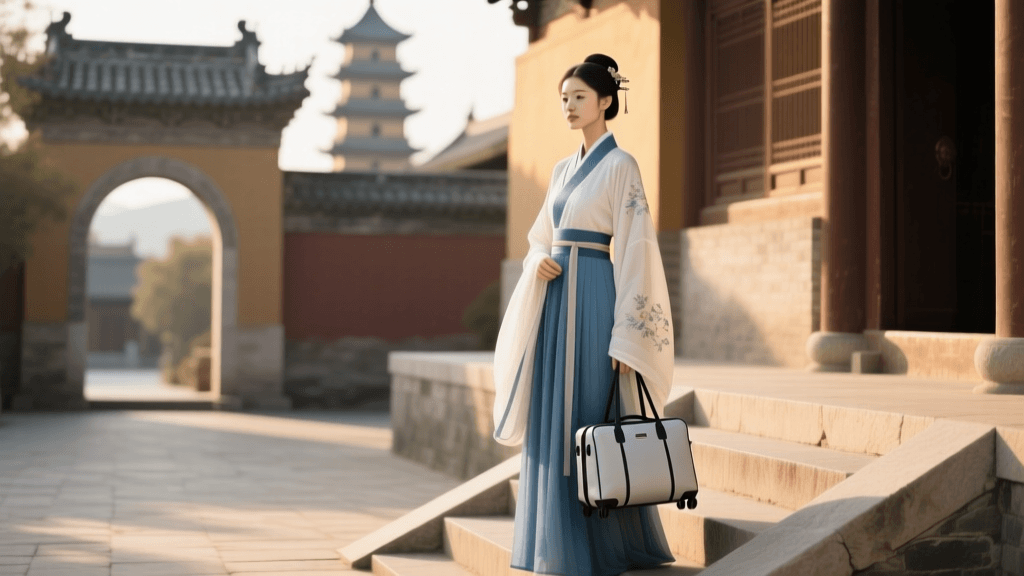
The intersection of traditional Chinese garments and modern global nomadism has reached a sophisticated peak in the 2026 travel season. No longer confined to domestic photography tours or specific cultural festivals, Hanfu has evolved into a versatile, everyday wardrobe staple for international travelers. Whether you are navigating the cobblestone streets of Europe, exploring the historic temples of East Asia, or attending high-profile cultural galas, integrating traditional silhouettes into a modern travel capsule requires strategic planning. Today’s travelers demand garments that offer historical authenticity without sacrificing the performance needed for long-haul flights and unpredictable weather. This comprehensive guide explores how to curate, pack, and style a travel-ready Hanfu wardrobe using the latest fabric innovations and packing methodologies available in 2026.
Core Silhouettes for the Modern Nomad
When building a destination wardrobe, versatility and ease of movement are paramount. Not all historical silhouettes are created equal for travel, and selecting the right dynasty-inspired cuts can make or break your trip.
The Song Dynasty Beizi (Long Coat)
The Song Dynasty Beizi is arguably the most travel-friendly outer layer in the Hanfu repertoire. Characterized by its straight, open-front cut and side slits, the Beizi functions much like a modern duster or lightweight trench coat. For travel, opt for a knee-length or mid-calf Beizi crafted from breathable blends. It layers effortlessly over modern basics like turtlenecks and tailored trousers, allowing you to blend traditional aesthetics with contemporary transit wear. Its lack of complex closures means it is easy to slip on and off during airport security checks.
The Ming Dynasty Mamianqun (Horse-Face Skirt)
The Mamianqun remains a cornerstone of the modern Hanfu movement, and its structured elegance translates beautifully to global destinations. The flat front and back panels, flanked by deep side pleats, allow for a full range of motion while maintaining a crisp, formal silhouette. In 2026, travel-specific Mamianqun designs feature reinforced waistbands with hidden elasticized back panels, eliminating the need for complex tying and ensuring comfort during long flights or train rides. Pair a solid-colored, woven Mamianqun with a modern silk blouse for a look that transitions seamlessly from a museum visit in Paris to a fine dining experience in Tokyo.
The Tang Dynasty Ruqun (Chest-High Skirt)
While visually stunning, the traditional chest-high Ruqun can be challenging for active travel due to its voluminous fabric and reliance on secure tying. If you choose to pack a Ruqun for a tropical destination or a beachside resort, opt for modified 2026 versions that feature discreet internal silicone grip strips and adjustable clasp closures, ensuring the garment stays securely in place without constant readjustment.
2026 Fabric Technologies: Drape Meets Durability
The most significant advancement in traditional garments over the last few years is the integration of smart textiles. According to textile archives and historical preservation efforts documented by institutions like the Victoria and Albert Museum, the authenticity of a garment's drape is just as important as its visual pattern. However, pure silk and heavy brocades are notorious for wrinkling and staining on the road.
For the 2026 travel season, the market is dominated by high-performance Tencel-silk blends and cupro fabrics. These semi-synthetic, eco-friendly materials mimic the luxurious, liquid drape of mulberry silk but offer the wrinkle resistance and machine-washability of modern activewear. Furthermore, high-density micro-polyesters with jacquard weaves are now being used to replicate heavy Ming dynasty brocades. These modern alternatives weigh a fraction of their historical counterparts, resist water spots, and can be rolled tightly into luggage without suffering permanent crease damage.
The Strategic Packing Matrix
Packing traditional garments requires a departure from standard rolling methods. The 'bundle wrapping' technique, combined with specialized compression cubes, is the gold standard for preserving pleats and embroidered collars. Below is a strategic packing matrix to help you organize your 2026 Hanfu travel wardrobe.
| Garment Type | Recommended 2026 Fabric | Packing Method | Ideal Destination Climate |
|---|---|---|---|
| Ming Mamianqun | Jacquard Poly-Blend | Fold flat along pleat lines; place in rigid garment folder | Temperate / Urban |
| Song Beizi | Tencel-Silk Crepe | Bundle wrap around a soft core (like a sweater) | Transitional / Spring |
| Everyday Song Pants | Linen-Cupro Blend | Standard KonMari roll | Tropical / Humid |
| Tang Banbi (Half-Arm) | Waffle-Knit Cotton | Flat fold; use as padding for delicate hairpieces | Alpine / Autumn |
To protect delicate metallic embroidery and woven gold threads, always place a sheet of acid-free tissue paper between the folds. In 2026, smart luggage brands have introduced dedicated garment compartments with built-in humidity control, which is highly recommended for travelers carrying premium, hand-woven silk pieces. Furthermore, as traditional sericulture and weaving gain global recognition through frameworks like UNESCO's Intangible Cultural Heritage, investing in high-quality, ethically sourced pieces means taking extra care to preserve their structural integrity during transit.
Destination Styling and Cultural Etiquette
Wearing Hanfu globally is a beautiful expression of cultural pride, but adapting your styling to your destination ensures both comfort and respect for local customs.
Immersive Historical Cities: Xi'an and Luoyang
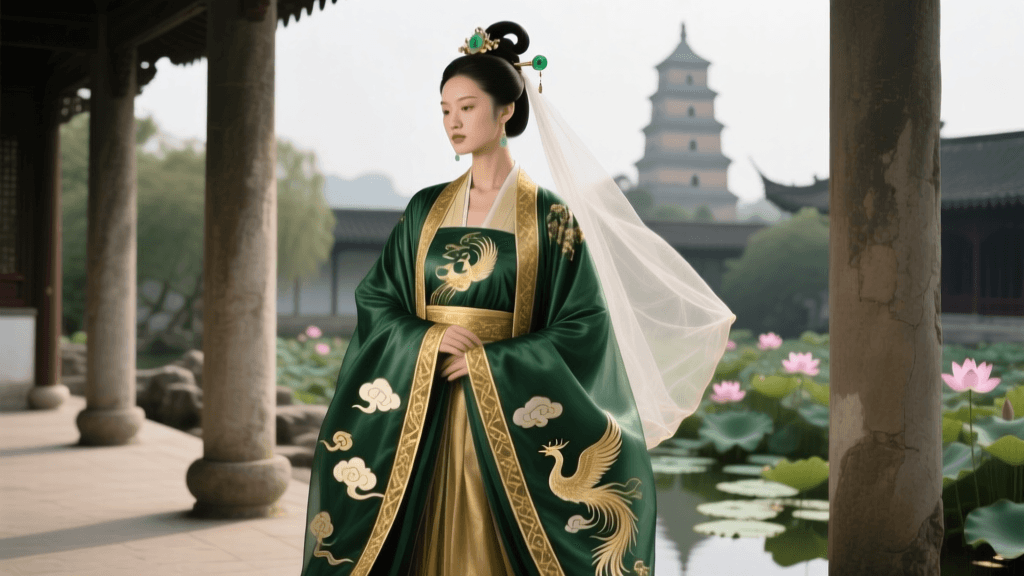
When visiting China’s ancient capitals, the goal is full immersion. Cities like Xi'an and Luoyang have heavily integrated Hanfu culture into their tourism infrastructure, offering dedicated rental lockers, makeup studios, and photography services. Here, you can confidently wear elaborate, multi-layered Ming or Tang court dress. However, even in these immersive environments, prioritize footwear. Swap traditional straw sandals for modern, orthotic-supported cloud shoes (Yunxie) that feature hidden memory foam insoles, allowing you to walk the expansive grounds of the Daming Palace without fatigue.
Cross-Cultural Appreciation: Kyoto and Seoul
When traveling to neighboring East Asian capitals, subtlety and respect are key. While Kyoto and Seoul have vibrant street fashion scenes, it is important to avoid confusing Hanfu with local traditional dress like the Kimono or Hanbok. Opt for understated, everyday Song dynasty silhouettes in muted, earthy tones. A simple pleated skirt paired with a modest, high-collared top nods to traditional aesthetics while remaining distinctly recognizable as Hanfu, fostering positive cross-cultural appreciation rather than confusion.
High-Fashion Contrast: Paris and Milan
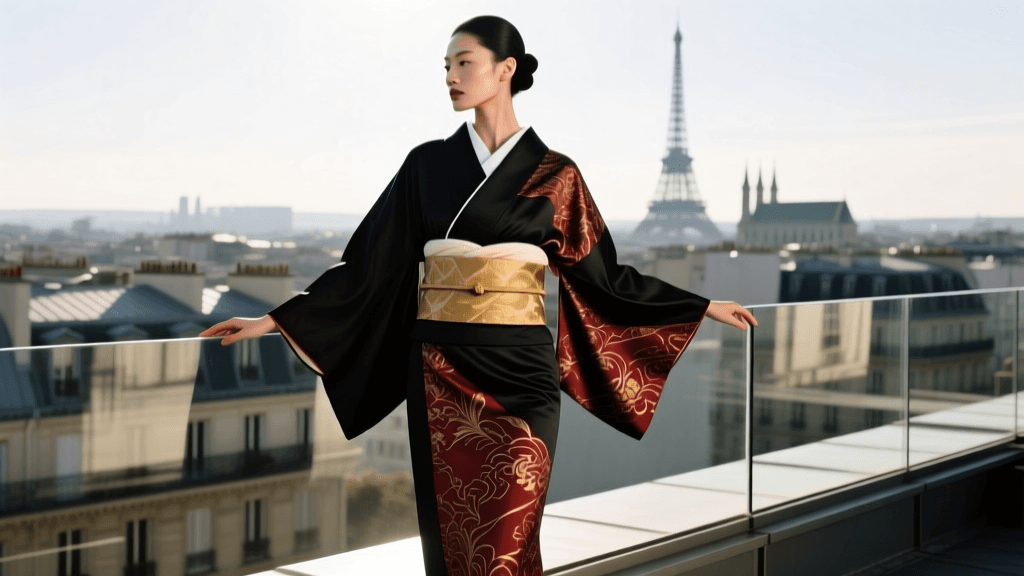
European fashion capitals are the perfect backdrop for bold, avant-garde Hanfu styling. In 2026, the trend in Paris and Milan is 'East-meets-West structural contrast.' Pair a heavily embroidered, floor-length Mamianqun with a sharply tailored, oversized Western blazer and sleek leather ankle boots. This juxtaposition highlights the intricate craftsmanship of the traditional skirt while grounding the outfit in contemporary European street style. Keep hair accessories minimal—opt for a single, sculptural jade or resin hair stick (Jian) rather than elaborate, dangling buyao step-shakes, which can feel out of place in a modern cafe setting.
Navigating Transit, Security, and On-the-Go Care
The logistics of traveling with traditional garments extend beyond packing. Airport security and in-transit garment care require specific foresight.
The Hairpin Dilemma at Security
Traditional Hanfu hairstyles often rely on an array of metal hairpins, combs, and crowns. In 2026, global aviation security protocols regarding metal objects remain strict. To avoid delays and the risk of losing precious heirlooms or expensive accessories, never wear metal hairpieces through the security checkpoint. Instead, pack them in a dedicated, hard-shell jewelry organizer in your carry-on bag. Opt for modern, TSA-friendly alternatives made from carved wood, bone, or high-density 3D-printed resins that mimic the look of jade and metal but will not trigger scanners if you choose to keep them in your pocket.
On-the-Go Steaming and Sanitization
Wrinkles are inevitable, but hauling a bulky traditional steamer is impractical. The 2026 travel essential is the portable UV-C sanitizing garment steamer. These palm-sized devices heat up in seconds, utilizing a combination of dry steam and UV light to relax stubborn creases in Tencel and polyester blends while simultaneously neutralizing odors from transit and street food. For Mamianqun pleats that have lost their sharpness after being compressed in a suitcase, use a portable magnetic pleat-clamp set. These lightweight silicone and magnet strips hold the pleats in perfect alignment while you steam them, restoring the skirt's crisp, architectural lines in minutes.
Conclusion: Embracing the Journey
The 2026 Hanfu travel wardrobe is a testament to the evolution of traditional garments from static historical artifacts to dynamic, living fashion. By selecting travel-optimized silhouettes, leveraging modern fabric technologies, and employing strategic packing methods, you can carry the elegance of Asian traditions across the globe. Whether you are sipping matcha in a Kyoto garden or navigating the bustling streets of Milan, your Hanfu wardrobe will not only survive the journey but will thrive, turning every destination into a canvas for cultural expression and personal style.