Great Lakes Ribbonwork Regalia 2026: Sourcing & Techniques
The Living Tradition of Great Lakes Ribbonwork
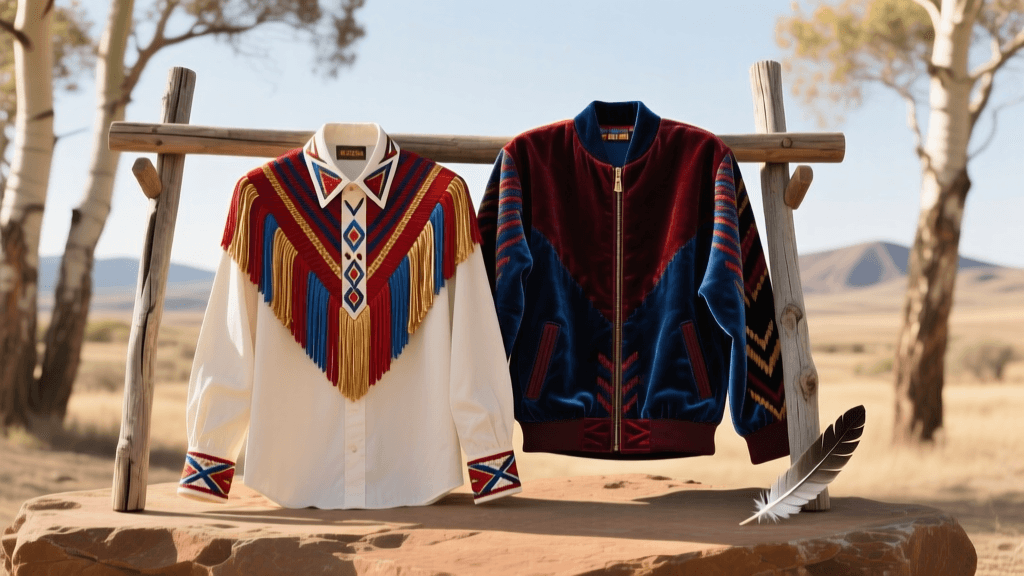
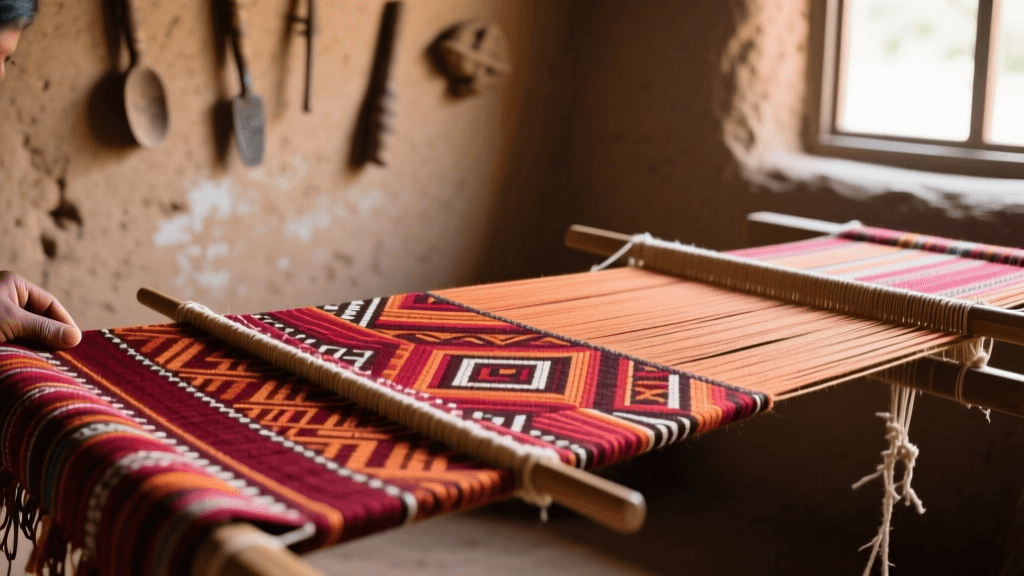
Native American regalia is not a costume; it is a living, breathing expression of identity, spirituality, community, and resilience. Among the most visually striking and technically complex textile arts in the Americas is Great Lakes ribbonwork. Practiced primarily by the Ojibwe, Odawa, Potawatomi, Menominee, and Ho-Chunk nations, this intricate appliqué technique transforms layers of brightly colored silk ribbons into complex, symmetrical geometric patterns. As we navigate the powwow circuits and cultural gatherings of 2026, contemporary Indigenous artists are experiencing a profound renaissance in traditional textile arts, blending ancestral cut-and-sew methods with modern sourcing strategies and sustainable materials.
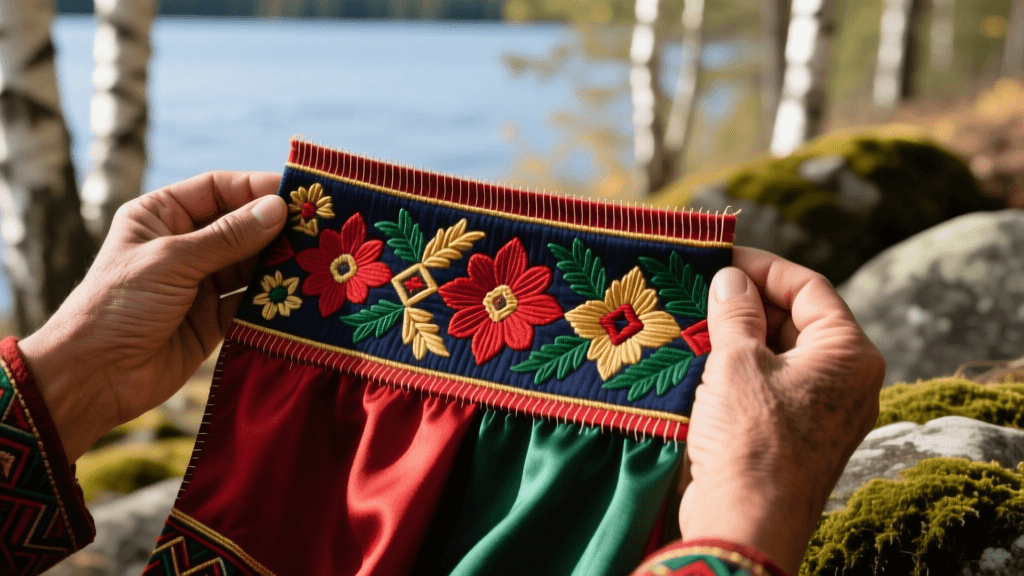
The origins of ribbonwork trace back to the late 18th and early 19th centuries when European traders introduced silk ribbons to the Great Lakes region. Indigenous artisans, who previously spent countless hours creating intricate geometric patterns using dyed porcupine quills, quickly recognized the potential of silk. By layering, folding, cutting, and stitching ribbons, they created a vibrant new medium that maintained the sacred geometry of traditional quillwork but allowed for larger, more fluid applications on broadcloth and wool garments. Today, understanding the history, material science, and technical execution of ribbonwork is essential for anyone studying or creating authentic Indigenous regalia.
2026 Material Sourcing: Navigating the Modern Textile Market
For contemporary regalia makers, sourcing high-quality ribbons in 2026 presents both opportunities and challenges. The global shift toward synthetic textiles means that finding 100% pure silk taffeta—the historical gold standard for ribbonwork—requires specialized sourcing. While synthetic alternatives have improved dramatically in drape and colorfastness, many master artisans still seek out natural fibers for their heirloom pieces due to the way silk catches the light during powwow dances and its superior aging characteristics.
According to the Smithsonian National Museum of the American Indian, the integration of European trade cloth fundamentally altered Indigenous fashion, but it was the Indigenous artisans who elevated these foreign materials into high art through distinctly Native design sensibilities. When sourcing materials today, artisans frequently visit major wholesale hubs like the New York City Garment District or the Los Angeles Fashion District, but the most reliable sources for authentic, high-grade silk ribbons are specialized online textile cooperatives and Native-owned bead and fabric suppliers who cater specifically to the regalia-making community.
Ribbon Material Comparison Chart (2026 Market Data)
Choosing the right ribbon is critical. The fabric must hold a crisp fold, resist excessive fraying when cut on the bias, and possess enough body to stand up to the blind-stitch appliqué process. Below is a comparison of the most common ribbon types used in contemporary Great Lakes ribbonwork.
| Material Type | Average Cost (per yard) | Drape & Fray Factor | Best Use in Regalia |
|---|---|---|---|
| 100% Silk Taffeta | $18.00 - $28.00 | Crisp drape, moderate fray. Holds sharp creases beautifully. | Heirloom pieces, competition powwow regalia, museum-quality reproductions. |
| Polyester Grosgrain | $4.00 - $8.00 | Stiff drape, very low fray. Highly durable but lacks historical luster. | Everyday powwow regalia, children's outfits, heavy-wear items like leggings. |
| Rayon/Acetate Blend | $10.00 - $15.00 | Soft drape, high fray. Requires edge-sealing or meticulous hemming. | Shawl fringes, delicate floral appliqué accents, dance accessories. |
| Cotton Sateen Ribbon | $6.00 - $12.00 | Matte finish, low fray. Excellent for modern, eco-conscious designs. | Skirts, vests, and garments requiring frequent machine washing. |
Colorways and Directional Symbolism
In Great Lakes ribbonwork, color is never arbitrary. While individual artists and families possess their own proprietary color palettes passed down through generations, many designs are deeply rooted in the cosmological understanding of the four cardinal directions. In 2026, as cultural revitalization efforts continue to strengthen, younger generations of regalia makers are studying these colorways with renewed academic and spiritual rigor.
- East (Red/Yellow): Representing the rising sun, new beginnings, and the fire of life. Bright yellows and deep crimson reds are frequently paired in the outer borders of a design.
- South (Blue/Green): Associated with water, growth, and the natural world. Turquoise, navy, and emerald ribbons often form the middle layers of the appliqué.
- West (Black/Dark Purple): Symbolizing the setting sun, the spirit world, and introspection. Black ribbons are traditionally used as the foundational base layer or the striking negative space in cut-work.
- North (White/Silver): Representing the winter, the elders, and wisdom. White ribbons provide stark, brilliant contrast and are often used for the innermost geometric diamonds.
The Wisconsin Historical Society archives highlight the Menominee and Ho-Chunk innovations in these color mappings, demonstrating how specific tribal bands utilized localized natural dye colors before the introduction of commercial aniline dyes, eventually translating those natural palettes into the vibrant commercial silks of the trade era.
The Cut-and-Sew Appliqué Method: A Technical Guide
The hallmark of authentic Great Lakes ribbonwork is the 'cut-and-sew' or 'fold-and-cut' appliqué technique. Unlike standard appliqué where a shape is cut from a single piece of fabric and sewn onto a background, ribbonwork involves folding ribbons, cutting geometric negative spaces, and layering them to create interlocking, symmetrical patterns. Here is a step-by-step technical guide for the traditional method utilized by master artisans today.
Step 1: Template Design and Preparation
While modern artisans in 2026 may use digital cutting machines like the Cricut Maker 4 to cut heavy cardstock templates, the actual cutting of the silk is always done by hand. A standard template features repeating geometric motifs: diamonds, triangles, and stepped pyramids. The artisan pins the cardstock template to the base layer of ribbon (often black or dark blue) to guide the initial cuts.
Step 2: The Fold and Cut
The artisan takes a contrasting ribbon (e.g., bright red), folds it precisely in half lengthwise, and then folds it again at a 45-degree angle. Using extremely sharp, short-bladed embroidery scissors, the artisan cuts into the folded edge. When the ribbon is unfolded, the single cut has multiplied into a perfectly symmetrical diamond or zigzag pattern. This mathematical precision is what gives ribbonwork its mesmerizing, kaleidoscopic quality.
Step 3: The Appliqué Stitch
The cut ribbon is then layered over the base ribbon, shifted slightly to reveal the contrasting colors beneath. The edges are turned under by exactly 1/8th of an inch. Using a fine 'Betweens' or 'Sharps' hand-sewing needle and silk or polyester thread, the artisan executes a blind stitch (slip stitch). The goal is to make the stitching virtually invisible from the top of the garment, allowing the geometric color blocks to appear as though they are floating or woven together. An experienced artisan can complete approximately 4 to 6 inches of blind-stitch appliqué per hour, highlighting the immense time investment required for a fully ribbonworked skirt or dance apron.
Backing Fabrics: Wool vs. Broadcloth
Ribbonwork is rarely applied directly to thin cottons; the weight of the layered silk requires a robust backing fabric. Historically, trade wool and Stroud cloth were the premier choices. In 2026, Melton wool remains the most highly sought-after backing material for premium regalia. Melton is a tightly woven, heavily milled wool that does not fray when cut, making it ideal for the fringed edges of dance aprons and leggings. Expect to pay between $25.00 and $45.00 per yard for high-grade, 100% Melton wool in traditional colors like navy, black, and forest green. Cotton broadcloth is a more affordable alternative ($8.00 to $12.00 per yard) and is frequently used for everyday powwow skirts and children's regalia, though it lacks the majestic drape and acoustic 'swish' of heavy wool during a traditional dance.
Archival Care and Preservation
Because silk is a protein fiber, it is highly susceptible to UV degradation, moisture, and pest damage. Preserving heirloom regalia requires strict adherence to archival standards. Contemporary preservation guidelines from the Minneapolis Institute of Art recommend storing silk garments flat in acid-free, buffered archival boxes. Never hang heavy ribbonworked wool garments on standard wire or wooden hangers, as the weight of the melton wool and layered silk will warp the shoulders and stress the antique blind stitches over time.
When packing regalia for the 2026 powwow season, wrap the garments in unbleached, undyed cotton muslin rather than plastic. Plastic traps moisture and can off-gas chemicals that will yellow and shatter silk taffeta over time. If a garment becomes soiled, avoid commercial dry cleaners who may use harsh solvents; instead, consult a textile conservator who specializes in Indigenous material culture.
Conclusion
Great Lakes ribbonwork is a testament to the adaptability and artistic genius of Native American communities. By mastering the cut-and-sew appliqué technique and thoughtfully sourcing materials in today's global textile market, contemporary artisans ensure that this vibrant art form continues to move, shine, and speak on the powwow grounds of 2026 and beyond. Whether you are a scholar of Indigenous textiles or an emerging regalia maker, respecting the technical precision and spiritual depth of ribbonwork is paramount to honoring the ancestors who first folded, cut, and stitched these sacred geometries into existence.