2026 Jingle Dress Regalia: Materials & Craft Guide
The Healing Origins of the Jingle Dress
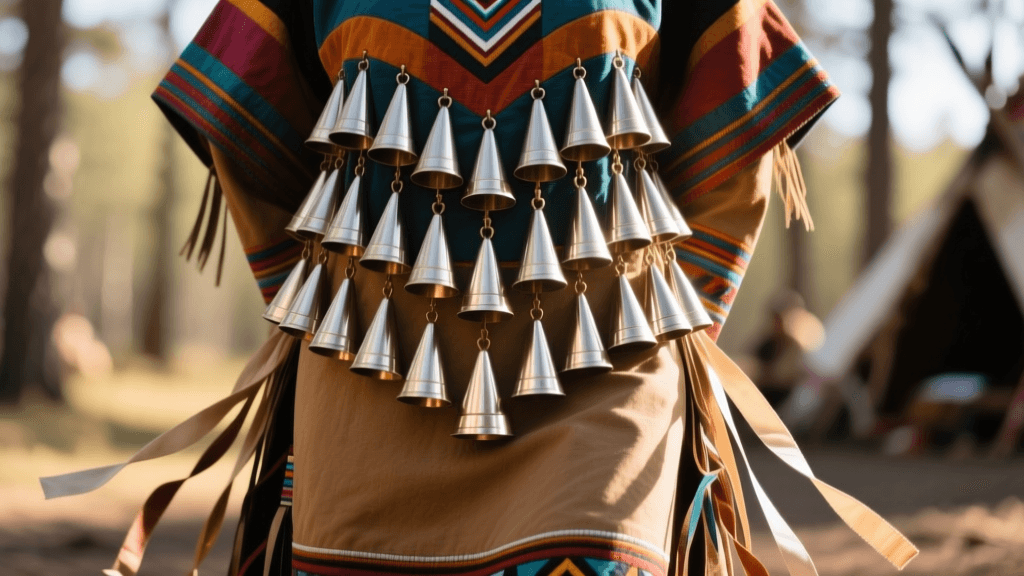
The Jingle Dress dance is one of the most profound and visually striking traditions in Native American Powwow culture. Originating in the early 20th century among the Ojibwe (Anishinaabe) people of the Great Lakes region, the dance and its accompanying regalia are deeply rooted in healing and spiritual medicine. As we prepare for the 2026 Powwow season, understanding the cultural weight of this garment is just as important as mastering its physical construction. The dress is adorned with rolled metal cones, known as jingles, which create a rhythmic, rain-like sound when the dancer moves. According to the National Museum of the American Indian, the Jingle Dress dance has evolved from a localized healing ceremony into a pan-Indigenous tradition celebrated at Powwows across North America, carrying prayers for the sick and the community.
The Jingle Dress is not merely a garment; it is a living, breathing medicine. Every cone represents a prayer, and the sound of the dress hitting the earth is the sound of healing.
For artisans, dancers, and families crafting new regalia for the 2026 circuit, selecting the right materials ensures the dress not only looks spectacular but also sounds correct and withstands the rigorous demands of competitive and traditional dancing.
Sourcing Authentic Materials for the 2026 Powwow Season
Creating an authentic Jingle Dress requires specific textiles and hardware. Sourcing from Native-owned businesses and specialized Indigenous craft suppliers is highly recommended to support the community and ensure historical accuracy.
Metal Jingles (Cones)
The defining feature of the regalia is the metal jingle. For a standard adult dress, you will need between 300 and 500 cones. In 2026, the most sought-after jingles are made from rolled tin or brass, typically measuring 36mm to 45mm in length. Avoid stamped or molded cones, as they do not produce the sharp, bright, and resonant 'clack' required for traditional footwork. Rolled cones have an open seam that allows them to vibrate against one another. When purchasing, buy in bulk from specialized Native beadwork suppliers, as shipping costs for heavy metal hardware can be significant. Expect to pay between $0.40 and $0.85 per cone depending on the metal gauge and finish.
Base Fabrics: Melton Wool Broadcloth
The foundation of a high-quality Jingle Dress is Melton wool broadcloth. This dense, tightly woven fabric is heavy enough to support the weight of hundreds of metal cones without sagging or tearing, yet it drapes beautifully during the dance. For the 2026 season, deep jewel tones—such as emerald green, royal blue, and burgundy—remain highly popular, often accented with black or white. You will need approximately 4 to 6 yards of 60-inch-wide wool broadcloth for an adult dress, depending on the dancer's height and the desired fullness of the skirt. Cotton broadcloth is sometimes used for children's dresses or practice outfits due to its lighter weight and lower cost, but wool is the gold standard for competition and ceremonial regalia.
Ribbons and Appliqué Techniques
Ribbon appliqué is used to create the striking geometric patterns that border the hem, yoke, and sleeves of the dress. While historical dresses used silk ribbons, modern regalia makers often utilize high-quality double-faced polyester satin ribbons for their durability and colorfastness. For 2026, intricate diamond and zigzag patterns cut from 3/8-inch and 1-inch ribbons are prevalent. You will need dozens of spools, often totaling over 100 yards of ribbon per dress. Using a heavy-duty nylon thread or artificial sinew is crucial when sewing the ribbons and jingles to the wool, as standard cotton thread will snap under the dynamic stress of the dance.
2026 Material Sourcing and Cost Comparison
Budgeting for a complete Jingle Dress regalia requires careful planning. Below is a comparison chart of essential materials, estimated 2026 costs, and sourcing notes for artisans.
| Material Component | Recommended Specification | Estimated 2026 Cost | Durability & Sourcing Notes |
|---|---|---|---|
| Metal Jingles (Cones) | 36mm - 45mm Rolled Tin/Brass | $150 - $350 (for 400 cones) | High durability. Source from Native-owned craft traders for authentic sound. |
| Base Fabric | Melton Wool Broadcloth (60') | $90 - $150 (4-6 yards) | Extremely durable. Heavyweight prevents tearing from cone weight. |
| Appliqué Ribbon | Double-faced Satin (3/8' & 1') | $60 - $120 (100+ yards) | Colorfast and fray-resistant. Avoid single-faced ribbons for visible edges. |
| Heavy-Duty Thread | Bonded Nylon or Artificial Sinew | $15 - $30 | Essential for securing cones. Standard thread will break during dance. |
| Leather Needles | Size 18-20 Glovers/Leather Point | $10 - $20 (pack) | Required to pierce wool and ribbon without bending or breaking. |
Construction, Weight Distribution, and Measurements
The construction of a Jingle Dress is an exercise in structural engineering as much as it is an art form. A fully loaded adult dress can weigh between 10 and 15 pounds. If the jingles are not distributed correctly, the dress will pull unevenly, causing discomfort and restricting the dancer's movement.
When attaching the cones, they are typically sewn in rows along the lower half of the skirt and the bodice. The spacing between each jingle should be roughly 1 to 1.5 inches. This spacing is critical: if they are too close together, they will tangle and muffle the sound; if they are too far apart, the iconic rain-like resonance is lost. Artisans must reinforce the waistband and the yoke with an inner lining of heavy canvas or cotton duck cloth. This hidden structural layer absorbs the downward pull of the metal cones, protecting the delicate wool broadcloth from stretching out of shape over the course of the 2026 Powwow season.
Furthermore, the hem of the skirt must be carefully measured. Traditional Jingle Dress dancers keep their footwork low to the ground, with one foot always maintaining contact with the earth to stay connected to the healing energy of the land. The skirt should hover just above the ankle to prevent the dancer from tripping on the cones during rapid, syncopated footwork.
Powwow Etiquette and the Spirit of the Dance
As highlighted by the Native Arts and Cultures Foundation, Indigenous regalia is deeply sacred and represents the identity, lineage, and spiritual life of the wearer. When attending Powwows in 2026, both creators and spectators must adhere to strict etiquette. Never touch another person's regalia without explicit permission. The Jingle Dress, in particular, is considered medicine; touching it casually is viewed as deeply disrespectful and can disrupt the spiritual energy imbued in the garment.
For dancers, the protocol of the Jingle Dress dance requires modesty and grace. The footwork is precise, and the upper body remains relatively still, allowing the dress to do the work. The dancer's movements are meant to mimic the gentle, rhythmic falling of rain, a visual and auditory prayer for healing. Dancers often carry a fan made of eagle or macaw feathers, which must be sourced legally and treated with the utmost reverence.
Regalia Care and Off-Season Storage
Proper care ensures the longevity of the garment. After every Powwow, the dress should be aired out to remove sweat and environmental dust. Never machine wash a wool Jingle Dress; the agitation will destroy the broadcloth and cause the metal cones to rust or tarnish. Instead, spot clean the fabric with a damp cloth and a mild, wool-safe detergent.
When storing the regalia between the 2026 summer and winter seasons, never fold the dress, as this will permanently crush the rolled metal cones and create deep creases in the wool. The dress must be hung on a heavy-duty, padded wooden hanger in a cool, dry, and dark environment to prevent the colors from fading. Cover the garment with a breathable cotton garment bag—never use plastic, which traps moisture and accelerates the oxidation of the tin and brass jingles. The National Endowment for the Arts Heritage Fellowships frequently recognizes master regalia makers who emphasize that treating the physical garment with respect is synonymous with honoring the ancestors who originated the practice.
By carefully selecting high-quality materials, employing robust construction techniques, and observing cultural protocols, artisans and dancers can ensure their Jingle Dress regalia remains a powerful, beautiful, and resonant force on the 2026 Powwow circuit.