Crafting Jingle Dress Regalia: Ethical Sourcing 2026
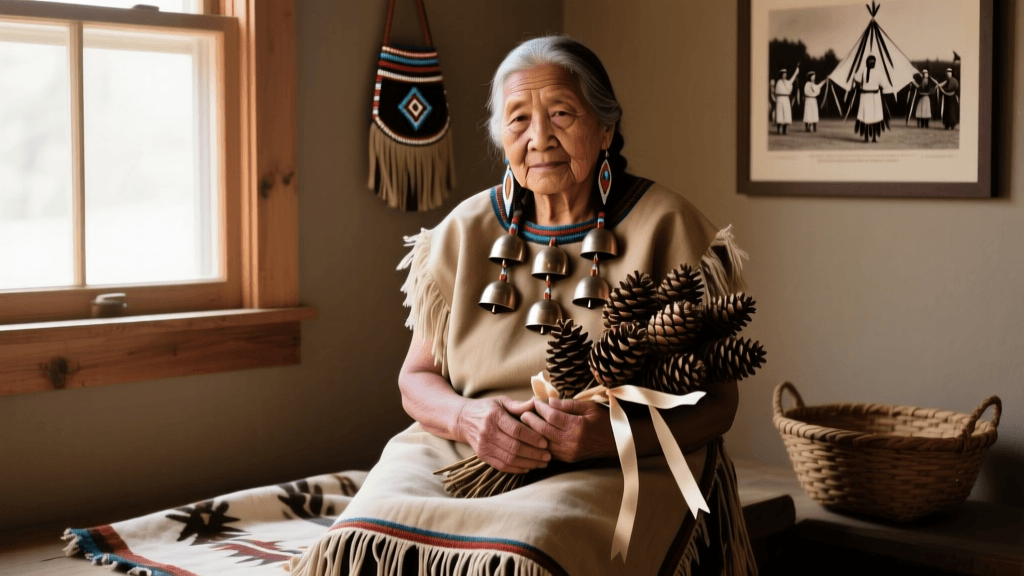
The Sacred Origins of the Jingle Dress
The Jingle Dress, known in the Ojibwe language as the Ziibaaska'iganag, is far more than a vibrant display of textile artistry; it is a profound medicine dress rooted in healing and spiritual resilience. Originating in the early 20th century among the Ojibwe Nation—specifically tied to the Whitefish Bay community in Ontario and the Mille Lacs Band in Minnesota—the dress was born from a visionary dream intended to heal a sick child. Today, the Jingle Dress Dance is a staple at powwows across North America, recognized for its distinctive, rain-like sound created by the collision of metal cones during the dancer's rhythmic, grounded footwork.
As we navigate the 2026 powwow season, the creation of jingle dress regalia remains a deeply personal and communal process. However, the landscape of sourcing materials has evolved. With the rise of mass-produced, culturally appropriated costumes flooding global e-commerce platforms, Indigenous makers and allies are prioritizing ethical, Native-to-Native commerce. This guide explores how to respectfully and sustainably source materials for jingle dress regalia in 2026, ensuring that every bead, ribbon, and cone honors the ancestors and supports living Indigenous economies.
Sourcing Metal Jingles: Honoring the Sound of Healing
The defining feature of the regalia is the jingle (or cone). Historically, these were meticulously hand-rolled from the metal lids of snuff cans. The rolling process required immense patience, using a wooden dowel to create a perfect, tapered cylinder that would produce a bright, resonant chime when they struck one another.
In 2026, while some traditionalists still hand-roll metal for ceremonial authenticity, most dancers utilize commercially stamped metal jingles for durability and uniform sound. A standard jingle dress requires anywhere from 100 to 400 cones, with many elders noting the spiritual significance of using exactly 365 jingles—one for every day of the year, representing continuous healing and prayer.
Ethical Sourcing in 2026: When purchasing metal jingles, avoid generic craft stores that source from overseas factories with no connection to Native communities. Instead, seek out Indigenous metalworkers and Native-owned regalia supply shops. Many Ojibwe and Dakota artisans now operate specialized metal-stamping micro-businesses, offering custom-gauge aluminum and tin jingles that replicate the acoustic warmth of vintage snuff lids while providing the structural integrity needed for the modern powwow trail. According to cultural archives at the Smithsonian National Museum of the American Indian, the acoustic properties of the dress are intrinsically linked to its healing purpose, making the quality of the metal paramount.
Selecting Trade Cloth and Ribbonwork Materials
The foundation of a jingle dress is typically a cotton calico or a wool broadcloth. Wool broadcloth is highly prized for its weight, drape, and durability, allowing the dress to swing beautifully during the dance without tangling the jingles. For the 2026 season, there is a strong movement toward sourcing sustainable, naturally dyed trade cloths from Indigenous weavers and textile cooperatives.
Ribbonwork appliqué is the primary method for decorating the dress's tiers and yoke. This technique involves layering and folding satin or grosgrain ribbons to create intricate, geometric patterns that often reflect clan symbols or regional floral designs.
- Base Fabric: Heavyweight cotton broadcloth or wool blend. Look for Native-owned textile mills or ethical suppliers who provide fair-trade fabrics.
- Ribbons: 100% polyester or nylon satin ribbons (typically 1/2 inch to 1 inch wide) are preferred for their vibrant color retention and resistance to fraying.
- Backing: Use a lightweight, breathable cotton muslin to back the ribbonwork panels, preventing the heavy ribbons from warping the base fabric over time.
2026 Material Comparison and Sourcing Chart
To help regalia makers make informed, ethical decisions, the following table compares historical materials with the best ethical alternatives available on the 2026 market.
| Material Component | Historical Source | 2026 Ethical Alternative | Average 2026 Cost |
|---|---|---|---|
| Metal Jingles (Cones) | Rolled snuff can lids | Native-stamped aluminum/tin | $0.40 - $0.85 per cone |
| Base Fabric | Stroud cloth, strouding | Ethically milled wool broadcloth | $35.00 - $60.00 per yard |
| Ribbonwork | Silk trade ribbons | High-grade satin polyester ribbons | $8.00 - $15.00 per spool |
| Seed Beads | Czech glass (historical trade) | Czech Preciosa 11/0 (Native vendor) | $4.50 - $6.00 per hank |
| Sinew/Thread | Animal sinew, cotton thread | Waxed nylon beading thread | $6.00 - $10.00 per spool |
Beadwork, Moccasins, and Accessories
A complete jingle dress ensemble extends beyond the garment itself. The yoke, cuffs, and moccasin vamps are often adorned with intricate beadwork. The Woodland floral style, characterized by symmetrical, sweeping vines and vibrant blossoms, is the most common motif for Ojibwe jingle dresses.
In 2026, master beadworkers emphasize the importance of using high-quality Czech Preciosa seed beads (size 11/0 or 13/0) purchased directly from Indigenous bead suppliers. This ensures colorfastness and supports Native entrepreneurs who import in bulk to provide affordable rates to their communities. The backing for beadwork should be sturdy, such as smoked brain-tanned deer hide or heavy canvas, ensuring the beadwork lies flat and withstands the rigorous movement of the dance.
Footwear is equally vital. Fully beaded moccasins with a hard, durable sole are necessary to protect the dancer's feet while allowing them to feel the earth. Many dancers in 2026 are commissioning moccasins from makers who utilize upcycled leather and eco-friendly tanning processes, merging environmental stewardship with traditional craftsmanship.
Navigating the 2026 Native-to-Native Economy
One of the most critical aspects of creating regalia today is understanding the economic impact of your purchases. The Native-to-Native economy has seen tremendous growth, empowering artisans to sustain their cultural practices without relying on exploitative middlemen. Organizations like the Native Arts and Cultures Foundation continue to fund and elevate Indigenous makers, ensuring that traditional knowledge is preserved and financially viable.
When sourcing materials, prioritize platforms and social media networks where Native artisans sell directly to the public. As reported by Indian Country Today, the push for economic sovereignty in Indigenous communities is heavily reliant on consumers consciously choosing to buy from verified Native makers rather than purchasing cheap, mass-produced imitation regalia from non-Native corporations. By purchasing your ribbons, beads, and metalwork from Indigenous vendors, you are directly funding the continuation of the culture.
Caring for Your Regalia on the Powwow Trail
A handmade jingle dress is a significant investment of time, money, and spiritual energy. Proper care is essential to ensure it lasts for generations. After a long weekend on the 2026 powwow trail, the dress must be properly aired out and stored.
- Untangle Carefully: Always lay the dress flat before storing. Gently separate the jingles to prevent the metal from bending or the tying ribbons from fraying.
- Spot Clean Only: Avoid machine washing wool broadcloth or heavily beaded panels. Use a damp cloth and mild, natural soap to spot-clean any dirt or sweat stains.
- Proper Storage: Store the dress in a breathable cotton garment bag. Never use plastic bags, as they can trap moisture and cause the metal jingles to oxidize or the fabric to mildew.
- Sage and Cedar: Place bundles of dried cedar or sweetgrass in the storage bag to keep the garment smelling fresh and to honor its spiritual purpose.
Conclusion
Crafting a jingle dress is a journey of devotion, requiring a deep respect for Ojibwe traditions and a commitment to ethical material sourcing. By choosing to support Indigenous metalworkers, weavers, and bead artists in 2026, regalia makers do more than assemble a beautiful garment; they participate in a living, breathing economy of cultural survival. The sound of the jingles is the sound of healing, and ensuring that every component of the dress is sourced with integrity only amplifies that medicine for the dancer, the community, and the ancestors.