Crafting the Ojibwe Jingle Dress: 2026 Powwow Regalia Guide
The powwow trail of 2026 is already shaping up to be one of the most vibrant and competitive seasons in recent memory. From the massive arenas of the Gathering of Nations in Albuquerque to the sweeping plains of the Crow Fair in Montana, the jingle dress dance remains a cornerstone of Native American powwow culture. Far more than just a competition category, the jingle dress is a living, breathing medicine. For Indigenous artisans, seamstresses, and dancers preparing for the 2026 season, understanding the deep historical roots, precise construction techniques, and modern material sourcing of the Ojibwe jingle dress is essential.
The Living Tradition of the Jingle Dress
Before cutting a single yard of fabric, it is vital to understand the spiritual weight this regalia carries. The jingle dress, often referred to as a healing dress, originated among the Mille Lacs Band of Ojibwe in Minnesota in the early 20th century. According to oral history, the dress was revealed in a dream to a medicine man whose daughter was gravely ill. The dream instructed him to create a dress adorned with metal cones that would produce a specific, rain-like sound when danced in. Upon its creation and the performance of the dance, the daughter was healed.
Today, the jingle dress is a pan-Indian symbol of healing, resilience, and prayer. When a dancer steps into the arena, she is not merely performing; she is praying for the sick, the elders, and the community. The Minnesota Historical Society's Mille Lacs Indian Museum continues to preserve and educate the public on the profound origins of this Ojibwe tradition, reminding us that the regalia is a sacred vessel of cultural continuity.
Sourcing Materials for the 2026 Powwow Season
As we navigate the 2026 supply chain landscape, sourcing high-quality, authentic materials requires planning. While modern digital textile printing allows for incredibly intricate custom floral patterns, traditional cotton calico and broadcloth remain the gold standard for the base of the dress due to their breathability, drape, and historical accuracy. When selecting fabric, avoid synthetic polyesters that trap heat, as summer powwows can easily exceed 95 degrees Fahrenheit.
Below is a comprehensive breakdown of the materials required for an adult-sized jingle dress, along with estimated 2026 market costs.
| Component | Material Recommendation | Estimated Quantity (Adult) | 2026 Avg. Cost |
|---|---|---|---|
| Skirt Base | 100% Cotton Calico or Broadcloth | 6-8 yards | $60 - $95 |
| Bodice | Matching Calico or Canvas | 2-3 yards | $20 - $35 |
| Applique | Satin or Cotton Ribbon (1-inch) | 15-20 yards | $30 - $50 |
| Jingles | Rolled Tin or Stamped Aluminum | 300-400 cones | $120 - $250 |
| Thread | Heavy-duty Polyester (Upholstery) | 4 spools | $15 - $25 |
The Metal Cones: Heartbeat of the Regalia
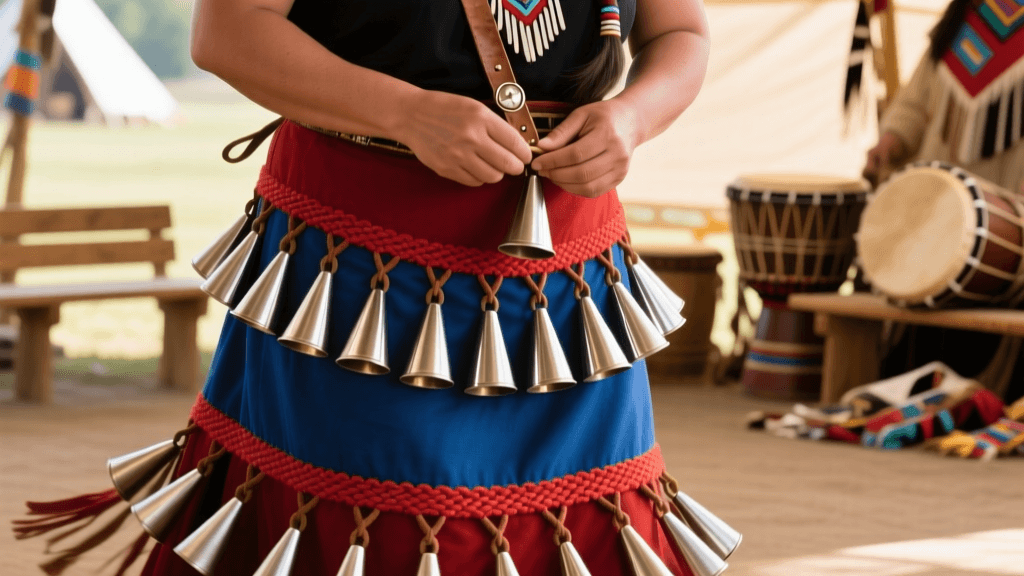
The defining feature of the jingle dress is, of course, the jingles themselves. Historically, these were crafted by rolling the metal lids of snuff cans or tobacco tins into tight, funnel-like cones. The sound produced by hand-rolled tin is deep, resonant, and distinctly organic, often compared to the sound of heavy rain on a tin roof.
In 2026, dancers generally choose between traditional hand-rolled tin and modern stamped aluminum. Aluminum cones are significantly lighter and less prone to rust, making them a popular choice for multi-day competition dancers who need to minimize physical fatigue. However, traditionalists and those dancing strictly for healing ceremonies often seek out Indigenous metalsmiths in the Great Lakes region who still hand-roll tin. According to the Indian Arts and Crafts Board, purchasing directly from verified Native artisans not only ensures authenticity but supports the tribal economy. Expect to pay a premium for hand-rolled tin, often ranging from $0.75 to $1.25 per cone, compared to $0.25 for mass-produced aluminum.
Step-by-Step Construction Techniques
Constructing a jingle dress requires advanced sewing skills, particularly in managing the immense weight of the metal cones. A fully loaded dress can weigh between 15 and 30 pounds, which places enormous stress on the seams and the dancer's shoulders.
The Skirt and Bodice
The traditional cut features a straight, slightly gathered skirt and a loose-fitting bodice with short, puffed sleeves. The skirt is typically cut in tiers to allow for the strategic placement of jingles. Reinforcement is non-negotiable. Use French seams or heavily serged edges, and apply a strip of twill tape or grosgrain ribbon along the inside of the waistband and shoulder seams to distribute the weight and prevent the fabric from tearing.
Ribbon Applique
Ribbon work is a hallmark of Great Lakes Indigenous clothing. For the jingle dress, wide satin or cotton ribbons are sewn in geometric zig-zags, step patterns, or stylized Ojibwe floral motifs along the hem, bodice, and sleeves. In 2026, many seamstresses are utilizing computerized embroidery machines to lay down complex floral appliques before securing them with traditional hand-stitching, blending modern efficiency with ancestral aesthetics.
Attaching the Jingles
The jingles are attached in staggered rows. The golden rule of jingle placement is spacing: cones should be placed exactly one fist-width apart (about 3 to 4 inches) so they can strike one another freely during the dance. They are tied on using heavy cotton string, sinew, or thin leather thongs, passed through the top of the cone and secured with a tight double knot. Never sew the cones directly to the fabric with thread; they must be tied so they can swing independently.
The dress is a prayer in motion. Every time the cones touch, a prayer is sent to the Creator. We do not just wear the dress; we carry the medicine of our ancestors. - Ojibwe Elder and Jingle Dress Maker
Contemporary 2026 Styling and Powwow Etiquette
While the core construction of the jingle dress remains rooted in tradition, contemporary styling has evolved. The Powwows.com community notes that the modern jingle dress dance style involves intricate, rapid footwork that requires the dancer to keep her feet close to the ground, ensuring the cones strike in a continuous, rhythmic cadence that matches the beat of the drum.
Footwear and Accessories
Footwear is critical. Most dancers wear commercial leather boots or moccasins that are heavily beaded or covered in matching fabric and ribbon work. The soles must be flexible enough to allow for the rolling heel-to-toe step characteristic of the dance. Accessories typically include a beaded choker, a matching beaded purse or fan, and intricate hair barrettes or a feather plume. Unlike fancy shawl dancers, jingle dancers do not carry shawls; their arms remain in graceful, controlled movements, allowing the dress to speak for itself.
Arena Etiquette and Respect
As you prepare your regalia for the 2026 season, remember the strict protocols of powwow etiquette. The jingle dress is sacred medicine. It should never be placed on a bed, and it should be stored carefully in a dedicated garment bag or cedar box. If a dancer drops a jingle or a feather in the arena, she does not simply pick it up. Specific protocols, often involving veterans or designated arena directors, dictate how fallen sacred items are retrieved. Furthermore, spectators and fellow dancers must never touch another person's regalia without explicit permission.
Preparing a jingle dress for the 2026 powwow circuit is a labor of love, requiring hundreds of hours of cutting, sewing, beading, and tying. Yet, when the drum begins and the arena fills with the shimmering, rain-like sound of three hundred tin cones striking in unison, every stitch is validated. The jingle dress remains a powerful testament to Indigenous survival, healing, and the unbroken thread of Native American textile arts.