Jingle Dress Regalia: Sourcing Cones & Fabrics in 2026
The Enduring Legacy of the Jingle Dress in 2026
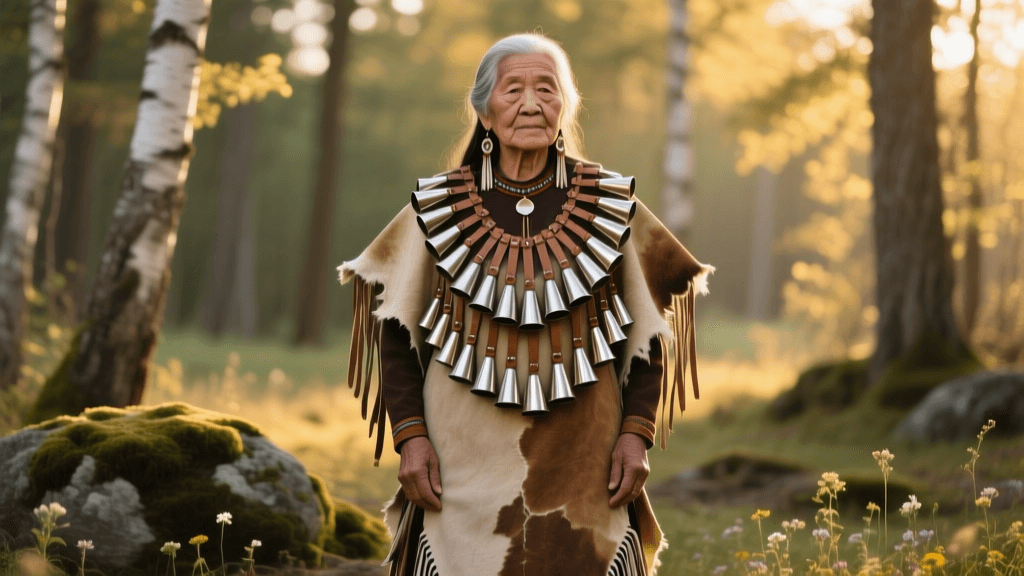
The Jingle Dress, widely revered as the healing dress of the Ojibwe (Anishinaabe) people, remains one of the most powerful and visually striking expressions of Indigenous culture in North America. Originating in the early 20th century during the 1918 influenza pandemic, the dress was born from a visionary dream meant to bring healing to a sick child. Today, the Jingle Dress dance has evolved into a pan-Indigenous phenomenon, featured prominently at powwows across the continent. As we navigate the 2026 powwow season, the demand for authentic, high-quality regalia materials continues to surge. Dancers and regalia makers are increasingly prioritizing ethical sourcing, premium acoustics, and traditional craftsmanship to honor the spiritual weight of the dance.
Creating a jingle dress is not merely a sewing project; it is a profound act of cultural preservation and spiritual devotion. Every yard of fabric, every ribbon, and every metal cone is selected with intention. Whether you are a seasoned regalia maker preparing for the 2026 competition circuit or a community elder teaching the next generation, understanding the current landscape of material sourcing is essential. This comprehensive guide breaks down exactly how to source, select, and calculate the materials needed for a traditional or contemporary jingle dress in 2026.
Understanding Jingle Cone Sizing and Acoustics
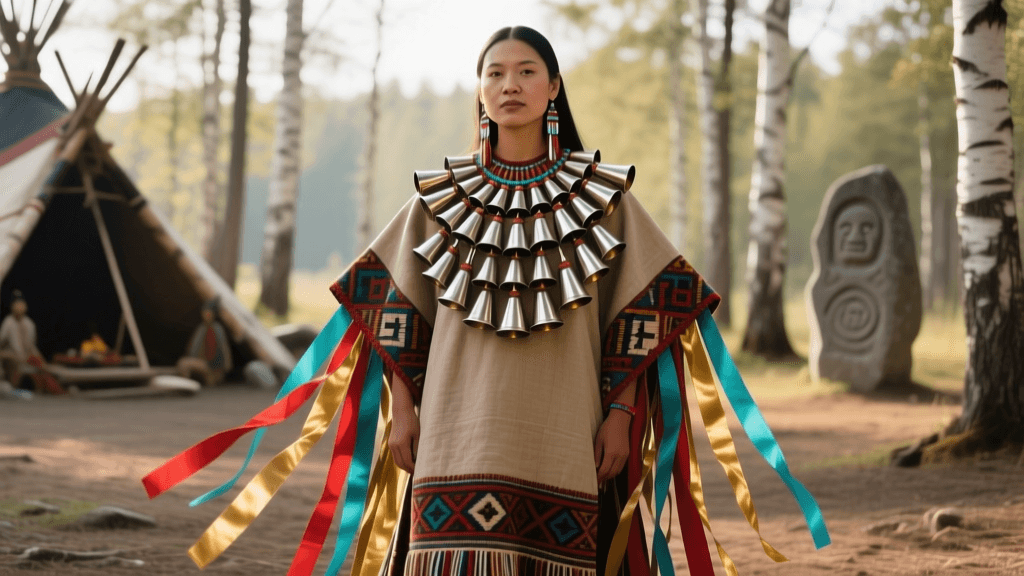
The defining feature of the regalia is the 'jingle'—the rolled metal cones that create a sound reminiscent of rain falling on a tin roof. This sound is considered a healing frequency, meant to cleanse the air and the spirits of those watching the dance. In 2026, manufacturers and Indigenous artisans offer cones in a variety of metals and sizes, each producing a distinct acoustic profile and visual drape.
While traditional cones were historically rolled from tin or copper lids, modern regalia makers frequently utilize stamped and rolled stainless steel for its durability, rust resistance, and bright, crisp sound. However, there has been a massive resurgence in 2026 of hand-rolled copper and brass cones, favored by traditionalists for their warmer, deeper tones and their support of Native-owned metalworking enterprises.
| Cone Size | Dimensions | Best Application | Acoustic Profile |
|---|---|---|---|
| Mini | 1/2 inch | Sleeves, yoke, children's dresses | High-pitched, light tinkling |
| Small | 3/4 inch | Upper bodice, secondary skirt rows | Bright, crisp chime |
| Medium | 1 inch | Main skirt body, standard adult dresses | Resonant, traditional rain-like sound |
| Large | 1.5 to 2 inches | Bottom hem, statement pieces, contemporary styles | Deep, loud, percussive clack |
Sourcing Authentic Metal Cones in 2026
When sourcing jingle cones in 2026, regalia makers have two primary avenues: established trading posts and direct-from-artisan Indigenous cooperatives. The global supply chain shifts of the past few years have impacted the cost of raw stainless steel, meaning bulk purchasing is more important than ever to keep costs manageable.
For reliable, bulk stainless steel cones, established suppliers like Crazy Crow Trading Post remain a staple for many Native communities. In 2026, you can expect to pay between $0.35 and $0.65 per medium stainless steel cone when purchased in lots of 500 or more. However, if you are seeking hand-rolled copper or upcycled tin cones, it is highly recommended to source directly from Native artisans on platforms like the Indigenous Arts Collective or through regional powwow vendor networks. These artisanal cones typically cost between $0.80 and $1.50 each, but they offer unparalleled authenticity and directly support Indigenous economies.
When ordering online, always request a 'sound sample' video if the vendor provides one. The thickness of the metal gauge drastically alters the sound. A 24-gauge stainless steel cone will produce a sharp, piercing ring that cuts through the noise of a crowded powwow arena, while a thicker 20-gauge copper cone will yield a mellower, more localized clatter.
Selecting Base Fabrics and Ribbon Appliqué
The base fabric of a jingle dress must withstand immense physical stress. The dance involves vigorous footwork, sudden stops, and the heavy, swinging weight of hundreds of metal cones. In 2026, the most popular base fabrics remain wool-blend broadcloth and heavy-duty cotton calico, though contemporary dancers are increasingly experimenting with high-quality matte satins and stretch-crepes for a more fluid silhouette.
Wool-blend broadcloth is the gold standard for traditional Ojibwe-style dresses. It drapes beautifully, resists wrinkling, and provides a sturdy matrix for sewing heavy cone rows. When sourcing broadcloth, look for a weight of at least 8 to 10 ounces per square yard. Cotton calico is favored for its vibrant, traditional floral prints, which connect deeply to Woodland and Prairie Indigenous aesthetics. However, calico must be heavily interfaced or lined with cotton muslin to prevent the fabric from tearing under the weight of the jingles.
Ribbon appliqué is the decorative lifeblood of the jingle dress. Using double-face satin ribbons, regalia makers create intricate geometric or floral patterns along the hem, sleeves, and yoke. The 2026 trend in ribbonwork leans toward high-contrast color blocking—pairing deep jewel tones like emerald green and sapphire blue with stark white or metallic gold ribbons. When purchasing ribbon, always opt for 100% polyester double-face satin, as it resists fraying and holds a crisp edge when folded and stitched using a tight zigzag or blind-hem stitch.
Step-by-Step: Calculating Materials for a Full Dress
One of the most common mistakes novice regalia makers make is underestimating the sheer volume of materials required. A standard adult jingle dress is a heavy garment, often weighing between 15 and 25 pounds once fully assembled. Proper mathematical planning is crucial to ensure the dress is balanced and the dancer is not overburdened.
- Total Cone Count: A standard adult dress requires between 500 and 800 medium-sized cones. Contemporary 'fancy' jingle dresses may use upwards of 1,000 cones.
- Spacing: Cones should be spaced approximately 1 to 1.5 inches apart on the ribbon or fabric ties. If they are too close, they will tangle and muffle the sound; if too far apart, the dress will lack its signature visual and auditory impact.
- Ribbon Yardage: For a dress featuring seven rows of jingles on the skirt, with each row requiring about 60 cones, you will need roughly 75 to 90 feet of heavy-duty grosgrain ribbon just for the cone ties, plus an additional 15 yards of decorative satin ribbon for the appliqué work.
- Thread and Needles: Do not use standard cotton thread. In 2026, regalia makers rely on heavy-duty nylon upholstery thread or waxed sinew. Use size 16 or 18 denim needles on your sewing machine to pierce through multiple layers of broadcloth and grosgrain without breaking.
For a deeper understanding of the dance's cultural protocols and regional variations in dress construction, the Smithsonian National Museum of the American Indian offers extensive digital archives and educational resources that highlight the profound spiritual significance of the regalia beyond its physical construction.
Ethical Sourcing and Supporting Indigenous Artisans
As the popularity of the Jingle Dress dance has grown globally, so too has the market for mass-produced, imported 'costume' versions of the regalia. In 2026, it is more critical than ever for dancers, educators, and cultural institutions to practice ethical sourcing. Purchasing cheap, overseas-manufactured jingle dresses or plastic imitation cones not only produces an inferior garment with poor acoustics, but it also undermines the livelihoods of Native artisans who have spent decades perfecting their craft.
Authentic regalia is an investment in Indigenous sovereignty and cultural continuity. When budgeting for a new jingle dress, allocate your funds toward Native-owned textile shops, Indigenous beadworkers, and local metalworkers. Many communities host annual regalia-making workshops and trading days, which are excellent venues to source materials while learning directly from elders and master seamstresses. Furthermore, organizations and online hubs like Powwows.com frequently feature directories of verified Native vendors and artisans who specialize in custom regalia creation and material supply.
Final Thoughts for the 2026 Powwow Season
Constructing a jingle dress is a journey of patience, reverence, and artistic expression. By carefully selecting the right gauge of metal, the most durable broadcloth, and the most vibrant ribbons, you ensure that the dress will not only look spectacular in the arena but will also sing with the authentic, healing voice of the ancestors. As you gather your materials for the 2026 season, remember that every stitch is a prayer, and every jingle is a heartbeat echoing across the Americas.