Authentic Oaxacan Huipils & Zapotec Textiles: 2026 Guide
The Enduring Legacy of Oaxacan Textiles in 2026
The vibrant, intricate textiles of Oaxaca, Mexico, represent some of the most sophisticated and culturally profound garment traditions in the Americas. As we navigate the 2026 global textile market, the demand for authentic, indigenous-made garments has reached unprecedented heights. Consumers are increasingly rejecting fast-fashion knockoffs in favor of slow, sustainable, and culturally significant pieces. However, this surge in popularity brings a unique set of challenges for buyers. Distinguishing between a genuine, handwoven Oaxacan huipil and a machine-made imitation requires a deep understanding of regional techniques, natural dye chemistry, and the socio-economic landscape of indigenous weaving cooperatives.
For collectors, fashion enthusiasts, and cultural preservationists, sourcing directly from artisans is not just about acquiring a beautiful garment; it is about participating in a living heritage. The Museo Textil de Oaxaca has spent years documenting and preserving these techniques, emphasizing that every thread tells a story of cosmology, identity, and resistance. In this comprehensive 2026 buyer's guide, we will explore the anatomy of traditional Latin American garments, decode the alchemy of natural dyes, and provide actionable advice on where and how to source authentic Zapotec and Mixtec textiles directly from the source.
Understanding the Huipil: More Than Just a Garment
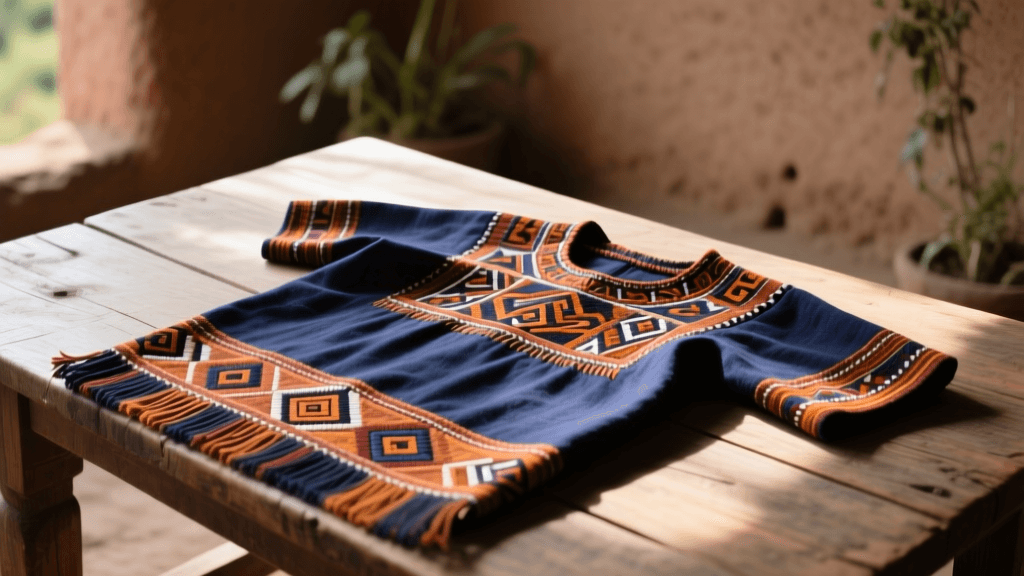
The huipil is the most iconic traditional garment worn by indigenous women across Mexico and Central America. In Oaxaca, the huipil is far more than a simple tunic; it is a complex canvas of identity. Woven primarily on the traditional backstrap loom, the huipil's brocade patterns (known as tramas) signify the wearer's specific village, marital status, and even her role within the community's religious hierarchy. According to research highlighted by the Textile Society of America, the structural integrity and symbolic motifs of the huipil have remained remarkably consistent for centuries, even as the materials and tools have evolved.
In 2026, it is crucial for buyers to understand the difference between an 'everyday' huipil and a 'ceremonial' or 'fiesta' huipil. Everyday garments are typically woven with lighter, commercially spun cotton threads and feature simpler, more spaced-out brocade motifs designed for durability and breathability in the Oaxacan heat. Ceremonial huipils, on the other hand, are masterpieces of textile engineering. They are heavily embroidered or brocaded, often taking a master weaver anywhere from six to fourteen months to complete. The density of the weave is so tight that the garment can weigh several pounds, serving as a protective, almost armor-like layer during spiritual and community rituals.
Loom Technologies: Backstrap vs. Pedal Loom
To verify the authenticity of an Oaxacan textile, you must first understand the tools used to create it. There are two primary looms used in the region, each producing distinctly different types of textiles.
The Backstrap Loom (Telar de Cintura)
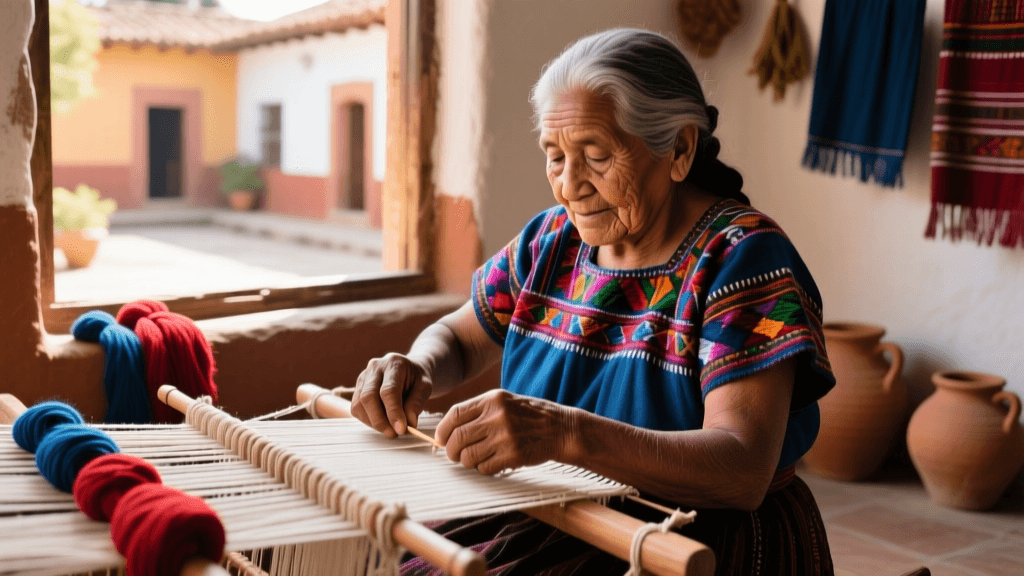
The backstrap loom is an ancient, pre-Hispanic technology. One end of the loom is tied to a sturdy post or tree, while the other is secured around the weaver's lower back via a strap. The weaver uses her body weight to control the tension of the warp threads. This intimate connection between the artisan and the loom allows for incredible precision in creating complex brocade patterns. Backstrap looms produce narrow panels of fabric (usually 12 to 18 inches wide), meaning a traditional huipil must be constructed by stitching two or three panels together. If you see a huipil with a seamless, wide body, it was not woven on a backstrap loom.
The Pedal Loom (Telar de Pedal)
Introduced by the Spanish in the 16th century, the pedal loom is a large, freestanding wooden structure operated with foot pedals. This technology allows for wider, continuous pieces of fabric and is predominantly used in the weaving of Zapotec rugs, blankets, and rebozos (shawls). While the pedal loom is not pre-Hispanic, it has been fully adopted and adapted by indigenous communities over the last five centuries, becoming a cornerstone of the textile economy in villages like Teotitlán del Valle.
The Alchemy of Natural Dyes: Identification and Sourcing
One of the most critical skills for a textile collector in 2026 is the ability to distinguish between traditional natural dyes and cheap synthetic aniline dyes. The revival of natural dyeing has been a major focus for Oaxacan cooperatives, driven by both environmental concerns and the premium market value of authentic pieces. The Fundación Alfredo Harp Helú Oaxaca has been instrumental in funding workshops that teach younger generations the complex chemistry of botanical and insect-based dyes.
| Dye Source | Color Profile | Visual & Olfactory Cues (Authentic) | Synthetic Red Flags |
|---|---|---|---|
| Cochineal (Insect) | Crimson, Scarlet, Purple, Orange | Subtle variations in hue; faint, earthy scent; softens beautifully over time. | Neon or overly uniform bright pinks/reds; chemical smell when damp. |
| Indigo (Plant) | Deep Navy, Cerulean, Teal | Slight unevenness in the blue; may have a faint organic, fermented smell initially. | Harsh, flat, electric blues that bleed heavily onto skin when new. |
| Marigold / Pecan | Mustard, Gold, Deep Brown | Warm, muted tones; may show slight fading in high-sun areas of the garment. | Unnaturally bright, fluorescent yellows or pitch-black synthetic browns. |
Cochineal (Dactylopius coccus) is perhaps the most famous Oaxacan dye. Harvested from the nopal cactus, the dried insects are ground into a powder and mixed with water. The magic of cochineal lies in the mordant: adding an acid like lime juice shifts the color to bright orange, while an alkaline substance like baking soda pushes it toward deep purple. Indigo (añil) requires a completely different process involving a reduction vat, where the yarn is dipped into a yellow-green liquid and magically oxidizes into a rich blue upon exposure to the air. When sourcing in 2026, always ask the artisan to demonstrate or explain their dye process; genuine master weavers are immensely proud of their botanical knowledge and will gladly share it.
Village-by-Village Sourcing Guide for 2026
To ensure your money directly supports indigenous communities, bypass the middlemen in Oaxaca City's tourist markets and head directly to the weaving villages. Here is where you should go based on the specific textile you are seeking:
- Teotitlán del Valle: The undisputed capital of the Zapotec wool rug. Artisans here use pedal looms and locally sourced sheep wool. Look for family cooperatives that grow their own indigo and harvest their own cochineal. Rugs here range from small wall hangings to massive floor tapestries.
- San Bartolo Yautepec: Famous for its incredibly fine, gauze-like cotton huipils. The weavers here specialize in using 'coyuche'—a rare, naturally brown indigenous cotton that requires no dye. The brocade motifs are microscopic and require magnifying glasses to fully appreciate.
- San Juan Colorado: Located on the coast, this village is renowned for its heavy, white cotton huipils featuring dense, geometric brocade patterns dyed with deep red cochineal and indigo. The garments here are structural, stiff, and meant to last generations.
- Santo Tomás Jalieza: Known as the 'Village of Belts,' artisans here have adapted backstrap weaving to create intricate cotton belts, bags, and modern accessories. It is an excellent entry point for buyers looking for smaller, highly detailed textile arts.
- Santa María Tlahuitoltepec: Home to the Mixe indigenous group, the textiles here feature distinct, bold geometric patterns and heavy-duty cotton weaves that reflect the cooler, mountainous climate of the Sierra Norte region.
2026 Pricing Guide and Fair Trade Economics
Understanding the true cost of handwoven textiles is essential for ethical sourcing. In 2026, the global inflation of raw materials, including organic cotton and natural dye components, has impacted the baseline prices of authentic garments. If you encounter a 'handwoven' huipil selling for $40 USD in a tourist shop, it is almost certainly a machine-embroidered imitation or the product of exploitative labor practices. A genuine, backstrap-woven huipil requires hundreds of hours of labor, from spinning the yarn to dyeing and weaving.
Expected 2026 Market Rates (Direct from Artisan Cooperatives):
- Everyday Cotton Huipil (Synthetic Dyes): $120 - $180 USD
- Ceremonial Huipil (100% Natural Dyes, Coyuche Cotton): $450 - $1,200+ USD
- Zapotec Wool Rug (3x5 ft, Natural Dyes): $350 - $600 USD
- Handwoven Cotton Rebozo (Indigo & Cochineal): $200 - $350 USD
When purchasing, always prioritize certified cooperatives or recognized artisan guilds. Many villages now have designated 'Casas de Cultura' or community showrooms where prices are fixed, ensuring that the weaver receives the vast majority of the profit. Bargaining is deeply frowned upon when dealing directly with indigenous artisans who price their work based on the exact hours and materials invested.
Caring for Your Natural-Dyed Textiles
Authentic Oaxacan textiles are heirloom pieces that require specific care to maintain their structural integrity and color vibrancy. Never wash natural-dyed garments in a machine or use commercial detergents, which contain harsh optical brighteners that will strip cochineal and indigo. Instead, hand-wash the garment in cold water using a pH-neutral, baby shampoo or a specialized textile wash. Gently agitate the water, let the garment soak for no more than five minutes, and rinse thoroughly. Roll the textile in a clean, dry towel to press out excess water—never wring or twist the fibers, as this will distort the brocade patterns. Lay the garment flat in the shade to dry. Direct sunlight is the enemy of natural dyes and will cause rapid, irreversible fading.
By educating yourself on the techniques, materials, and economic realities of Oaxacan weaving, you become more than just a consumer; you become a custodian of Latin American indigenous heritage. In 2026, the power to preserve these ancient traditions lies in the hands of informed, ethical buyers who demand authenticity and respect the profound artistry of the weaver.