Authentic Oaxacan Huipil Sourcing and Natural Dye Guide 2026
The Enduring Legacy of the Oaxacan Huipil in 2026
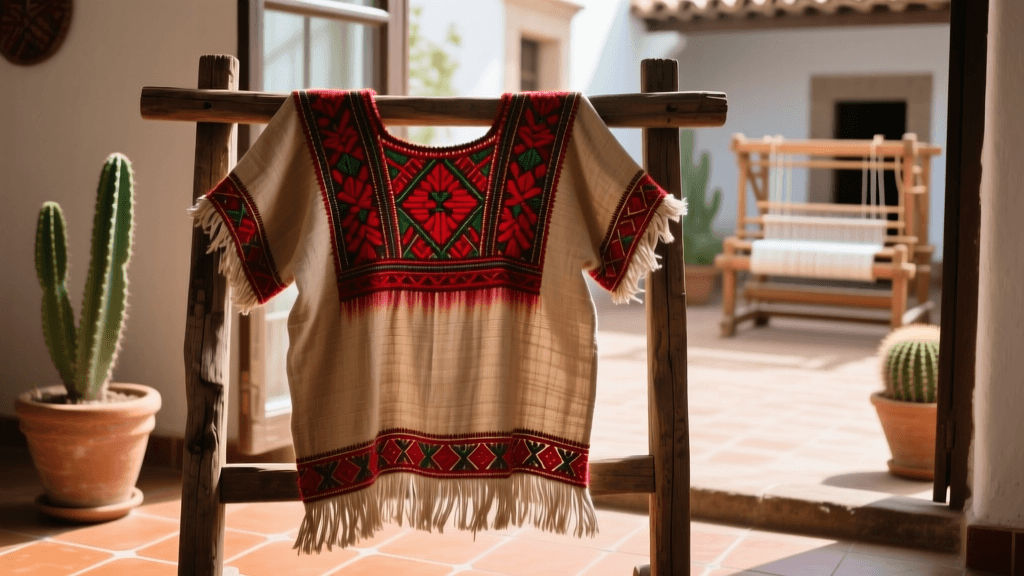
The huipil is far more than a simple tunic; it is a wearable codex of indigenous history, cosmology, and regional identity. Across the Americas, traditional garments serve as markers of community, but few possess the intricate structural complexity and vibrant material culture of the Oaxacan huipil. Worn primarily by Zapotec, Mixtec, and Mazatec women, these garments are woven on traditional backstrap looms (telar de cintura) and feature elaborate brocade patterns that denote the wearer's specific village, marital status, and ceremonial role.
As of 2026, the global market for Latin American traditional garments has seen a massive surge in demand, driven by a growing appreciation for slow fashion and artisanal heritage. However, this popularity has also led to an influx of mass-produced, synthetic knockoffs. For collectors, textile enthusiasts, and conscious consumers, understanding how to source authentic pieces, identify natural dyes, and respect the intellectual property of indigenous communities is more critical than ever. This comprehensive guide will equip you with the knowledge to navigate the 2026 market ethically and confidently.
Anatomy and Measurements of the Traditional Huipil
Authentic huipils are constructed from one, two, or three rectangular panels of hand-woven cloth, depending on the region and the intended width of the garment. The panels are joined together using a decorative seam known as a randa, which is often stitched with contrasting silk or cotton thread in a technique that resembles a delicate lace.
- Standard Dimensions: A typical everyday huipil from the Central Valleys of Oaxaca measures between 24 to 30 inches in width and 30 to 40 inches in length. Ceremonial huipils, such as those from Santa María Alotepec, can be significantly larger, measuring up to 45 inches in length to allow for dramatic folding at the waist.
- The Backstrap Loom: The warp threads are tensioned between a fixed point (like a tree or post) and a belt strapped around the weaver's lower back. This allows the artisan to control the tension with her body weight, resulting in a tightly packed, durable textile with a high thread count that machines cannot easily replicate.
- Brocade vs. Embroidery: True traditional huipils feature brocade (supplementary weft), where the colored patterns are woven directly into the fabric on the loom. Embroidery is added only after the cloth is removed from the loom, usually around the neckline or hem.
Identifying Authentic Natural Dyes in 2026
The revival of natural dyeing has been a cornerstone of the Oaxacan textile renaissance. While synthetic aniline dyes are cheaper and faster, master weavers in cooperatives across Teotitlán del Valle and San Pablo Villa de Mitla have returned to pre-Hispanic dye recipes. Identifying these natural dyes is key to verifying a garment's authenticity and value.
Cochineal (Dactylopius coccus)
Cochineal is a scale insect that lives on the nopal cactus. When dried and ground, it produces a potent carminic acid that yields brilliant reds, pinks, and purples. In 2026, authentic cochineal-dyed wool and cotton command a premium due to the labor-intensive harvesting process.
The At-Home pH Color-Shift Test: Because cochineal is highly sensitive to pH levels, you can perform a non-destructive test on a loose thread or an inconspicuous inner seam. Apply a drop of lemon juice (an acid) to the red thread; if it is true cochineal, the color will shift to a bright, vibrant orange-red. Next, apply a mild baking soda and water paste (an alkaline); the thread should shift to a deep, moody purple or slate gray. Synthetic reds will not change color.
Indigo (Añil)
Native indigo (Indigofera suffruticosa) requires a complex fermentation vat to reduce the leaves into a soluble dye. Authentic indigo-dyed threads possess a slight variance in tone and a distinct, earthy aroma that fades over time but never entirely disappears. Unlike synthetic navy dyes, natural indigo sits on the surface of the fiber and will exhibit a beautiful, gradual patina with wear.
Marigold (Cempasúchil) and Pecan
Yellows and golds are traditionally achieved using wild marigold (Tagetes lucida), while deep browns and blacks are derived from pecan shells, oak galls, and iron-rich mud. The Museo Textil de Oaxaca maintains extensive archives on these regional dye variations, serving as a vital resource for preserving indigenous botanical knowledge.
2026 Pricing and Fair Trade Economics
Understanding the economics of traditional weaving is essential for ethical sourcing. A single huipil can take anywhere from two to six months of daily weaving to complete. When purchasing directly from artisans or certified fair-trade cooperatives, you are compensating the weaver for hundreds of hours of skilled labor, fiber processing, and dye preparation.
| Garment Type & Dye Profile | Average Weaving Time | 2026 Fair Trade Price (USD) | Primary Use Case |
|---|---|---|---|
| Everyday Cotton Huipil (Synthetic Dyes) | 3 - 4 Weeks | $80 - $140 | Casual wear, layering |
| Ceremonial Cotton Huipil (Natural Dyes) | 2 - 4 Months | $250 - $450 | Special events, collection |
| Wool Rebozo/Huipil (Cochineal & Indigo) | 3 - 5 Months | $400 - $750+ | Heirloom investment, cold weather |
| Wedding Huipil (Silk & Gold Thread Brocade) | 4 - 6 Months | $600 - $1,200 | Ceremonial, museum-grade |
Ethical Sourcing and Cultural Intellectual Property
In 2026, the conversation around cultural appropriation versus appreciation is at the forefront of the textile industry. Several international fashion houses have faced severe backlash and legal challenges for copying indigenous Oaxacan designs without permission or compensation. The World Intellectual Property Organization (WIPO) has been actively working with indigenous communities to establish frameworks for protecting Traditional Cultural Expressions (TCEs).
When sourcing a huipil, avoid generic online marketplaces that cannot verify the artisan's origin. Instead, seek out organizations aligned with the Nest Global alliance, which audits artisan businesses for fair wages, safe working conditions, and cultural preservation. Purchasing from established cooperatives like the Colectivo 1050 Grados or directly from the Museo Textil de Oaxaca's boutique ensures your money supports the living heritage of the weavers.
Contemporary Styling and Wardrobe Integration
The beauty of the huipil lies in its versatility. While it is a sacred garment in its home communities, it can be respectfully integrated into a modern, global wardrobe when sourced ethically and worn with an understanding of its context.
- The Belted Silhouette: Because huipils are cut as wide, flowing rectangles, they can overwhelm a modern silhouette. Cinch the garment at the natural waist with a hand-woven leather or woven sash belt to create structure.
- Layering for Climate: Oaxacan cotton is incredibly breathable but can be sheer. In 2026, styling a vibrant, cochineal-dyed huipil over a fitted, neutral turtleneck or a sleek linen slip dress is a popular method for adapting the garment to cooler climates and urban environments.
- Respecting Ceremonial Pieces: Certain huipils, particularly those featuring specific religious iconography or designed exclusively for weddings and funerals, should be treated as museum pieces or worn only in appropriate, respectful contexts. Always ask the artisan about the garment's specific cultural restrictions before purchasing.
Care and Maintenance for Natural Fibers and Dyes
Preserving a naturally dyed, hand-woven huipil requires a departure from modern laundry habits. The structural integrity of the backstrap loom webbing and the vibrancy of botanical dyes demand gentle, intentional care.
- Washing: Never machine wash a huipil. Submerge the garment in cold water using a pH-neutral, plant-based detergent. Avoid harsh alkalis like standard laundry powders, which will permanently alter the color of cochineal and strip the natural oils from wool.
- Drying: Do not wring or twist the textile, as this can distort the warp threads and damage the delicate randa seams. Press the water out by rolling the huipil in a clean, dry towel. Lay it flat on a mesh drying rack in the shade. Direct sunlight will rapidly fade natural indigo and marigold dyes.
- Storage: Store your huipil flat or loosely rolled in a breathable cotton bag. Avoid wire hangers, which can stretch the shoulder seams over time. Include natural cedar blocks or dried lavender sachets to deter moths, especially if the garment contains wool or silk brocade.
By understanding the profound history, complex chemistry, and ethical economics behind the Oaxacan huipil, you become more than a consumer; you become a steward of one of the Americas' most magnificent indigenous textile traditions.