Mormon Temple Garments 2026: Complete History & Style Guide
Understanding Mormon Temple Garments in 2026
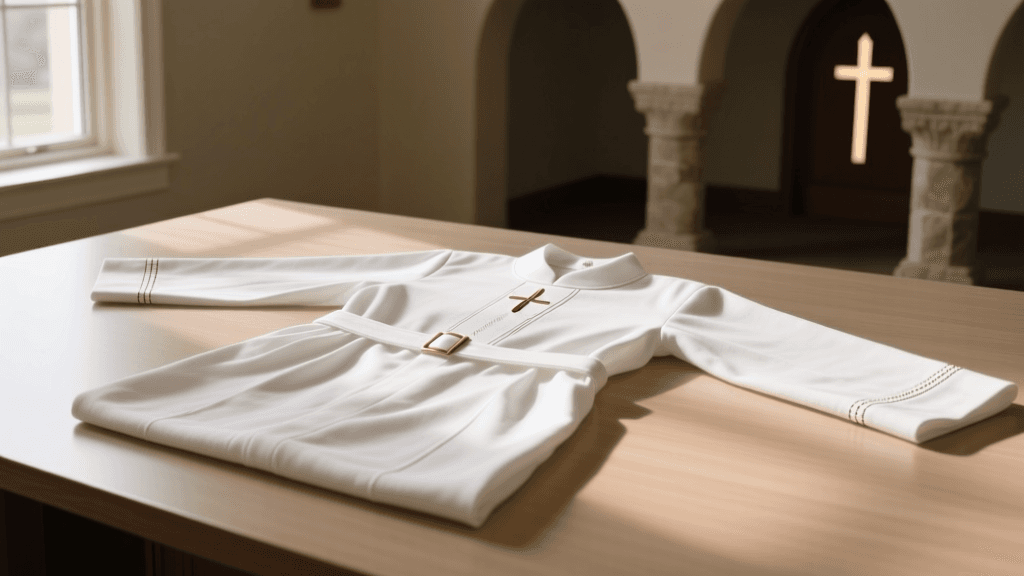
For members of The Church of Jesus Christ of Latter-day Saints (often referred to as the LDS or Mormon Church), the temple garment is far more than a simple undergarment. It is a sacred article of clothing worn by endowed members as a constant, physical reminder of the covenants they have made with God. As we navigate the cultural and sartorial landscape of 2026, the temple garment remains a deeply personal and spiritually significant element of daily life for millions of Indigenous, North American, and global Latter-day Saints. This comprehensive guide explores the rich history, theological meaning, modern 2026 styles, fabric innovations, and practical purchasing advice for LDS temple garments.
The Sacred Significance and Symbolism
Often described by Church leaders as 'spiritual armor,' the temple garment serves to protect the wearer from temptation and evil. The origins of this symbolism are rooted in ancient religious traditions, echoing the sacred vestments worn by priests in the biblical tabernacle and temple. According to the Church's General Handbook, garments are a reminder of the wearer's covenants and should be treated with the utmost respect.
The garment features specific woven or embroidered markings that hold deep symbolic meaning. These symbols represent divine attributes, the journey of life, and the wearer's commitment to follow Jesus Christ. While the exact nature and placement of these markings are considered sacred and are not discussed in casual or public settings by faithful members, their overarching purpose is to provide spiritual guidance and a constant connection to the divine.
Historical Evolution: From Nauvoo to the Modern Era
The history of the Latter-day Saint temple garment traces back to the early 1840s in Nauvoo, Illinois. When the Prophet Joseph Smith introduced the temple endowment to a small group of close associates, he also introduced the sacred garment. Early iterations were heavily influenced by the Masonic and biblical traditions familiar to early Church members. According to the Encyclopedia of Mormonism, the original garments were one-piece, full-length union suits made of unbleached cotton or linen, featuring long sleeves and legs that extended to the wrists and ankles.
As the Church migrated to the Salt Lake Valley and expanded throughout the Americas and the world, practical adaptations became necessary. In the 1920s and 1930s, the Church authorized shorter sleeves and legs to accommodate the changing styles of outer clothing and the realities of modern labor and climate. The most significant structural shift occurred in the mid-to-late 20th century when the two-piece garment (a separate top and bottom) was introduced and eventually standardized, offering greater comfort and flexibility for active members.
2026 Garment Styles and Modesty Guidelines
In 2026, the Church's Distribution Services offers a wide array of styles designed to meet the diverse needs of its global membership while maintaining strict standards of modesty. The fundamental rule for outer clothing is that it must adequately cover the garment. For men, this means shirts with sleeves that cover the cap sleeve of the garment, and shorts or pants that reach the knee. For women, dresses and skirts must cover the knee, and necklines must not expose the top edge of the garment top.
Men's Styles
- Crew Neck: The traditional and most common style, offering full coverage and a classic fit.
- V-Neck: Designed for members who wear outer shirts with unbuttoned collars or open necklines.
- Pocket Styles: Available in standard and low-pocket variations for men who require functional chest pockets for professional or practical reasons.
Women's Styles
- Cap Sleeve: The standard women's top, providing necessary shoulder coverage while remaining breathable.
- V-Neck and Scoop Neck: Tailored to accommodate various outer blouse and dress necklines without compromising the sacred coverage.
- Maternity and Nursing: In 2026, the Church has expanded its maternity lines, featuring stretch-panel bottoms and discreet nursing access tops, ensuring mothers can comfortably wear their garments during and after pregnancy.
2026 Fabric Technologies and Comfort Innovations
Textile technology has vastly improved the comfort and durability of temple garments. As of 2026, members can choose from several advanced fabric blends tailored to different climates, activity levels, and skin sensitivities. The shift toward sustainable, ethically sourced cotton and eco-friendly modal fibers has been a major focus for Church Distribution over the last few years.
2026 Garment Fabric Comparison Chart
| Fabric Type | Best For | Key Features (2026 Specs) | Care Instructions |
|---|---|---|---|
| 100% Cotton | Sensitive skin, traditionalists | Breathable, natural, hypoallergenic, moderate stretch | Machine wash warm, tumble dry low |
| Cotton-Modal Blend | Everyday wear, office environments | Ultra-soft, resists shrinking, drapes well, eco-friendly modal | Machine wash cold, hang dry recommended |
| Stretch Mesh | Hot climates, high humidity | Lightweight, maximum airflow, quick-drying, sheer but modest | Machine wash cold in mesh bag, air dry |
| Dri-Release / Performance | Athletes, outdoor laborers | Moisture-wicking, odor-resistant, high elasticity, cool-touch | Machine wash cold, no fabric softener |
Purchasing Guide: How to Buy Garments in 2026
Acquiring temple garments is a restricted process, reserved exclusively for endowed members of The Church of Jesus Christ of Latter-day Saints. You cannot purchase them in standard retail stores or on general e-commerce platforms like Amazon. In 2026, the primary avenues for purchasing garments include:
- Online Distribution Store: Members can log into the official Church Distribution website using their Church Account. The system verifies the member's endowed status and recommend validity before allowing access to the garment catalog.
- Temple Distribution Centers: Located adjacent to most operating temples worldwide, these physical stores allow members to try on different sizes and fabrics in person.
- Local Distribution Outlets: Some larger regional meetinghouses or stake centers feature smaller distribution outlets that stock basic garment styles and sizes.
Pricing in 2026: The Church operates its distribution services on a non-profit basis. As of early 2026, a standard two-piece set (one top, one bottom) typically ranges from $12 to $18 USD, depending on the fabric technology selected. Bulk purchasing options and subscription-style auto-replenishment features have been introduced on the online portal to help members maintain an adequate supply.
Care, Maintenance, and Respectful Disposal
Because of their sacred nature, temple garments require specific care. They should be washed separately from heavily soiled outer clothing and treated with respect. Members are encouraged to mend small tears or replace missing buttons rather than immediately discarding a damaged garment.
When a garment becomes too worn, stretched out, or damaged to be wearable, it must be disposed of properly. The Church strictly prohibits donating used garments to thrift stores, charities, or clothing bins. The accepted method for disposal in 2026 remains the same as in previous decades: members must carefully cut out the sacred markings and destroy them (typically by burning or cutting them into unrecognizable shreds). The remaining, non-marked fabric can then be discarded in the regular trash or repurposed as cleaning rags.
Navigating Modern Fashion as an Endowed Member
One of the most common challenges for Latter-day Saints in 2026 is navigating contemporary fashion trends while honoring their covenants. The rise of oversized outerwear, longer shorts for men, and modest-fashion influencers has actually made it easier for members to find stylish clothing that accommodates their garments. Many Indigenous and North American LDS designers have launched boutique lines specifically tailored to fit over temple garments, featuring higher necklines, longer hemlines, and structured sleeves that celebrate cultural heritage while maintaining spiritual modesty.
Conclusion
The Mormon temple garment is a profound intersection of faith, history, and daily living. From its origins in the 1840s to the advanced, moisture-wicking fabrics available in 2026, the garment has adapted to the practical needs of the modern world while preserving its sacred, unchanging purpose. For the endowed members of The Church of Jesus Christ of Latter-day Saints, it remains a quiet, personal sanctuary of faith worn beneath the surface, guiding them through the complexities of modern life.