Oaxacan Backstrap Weaving & Cochineal Dye Guide 2026
The Resurgence of Oaxacan Textile Arts in 2026
In 2026, the global appreciation for slow fashion and ancestral craftsmanship has propelled traditional Latin American garments into the spotlight. Among the most revered of these traditions is the Oaxacan backstrap weaving technique, known locally as telar de cintura, paired with the vibrant, historic use of cochineal (grana cochinilla) natural dye. Originating from the Zapotec and Mixtec communities in southern Mexico, these textile arts represent a living history that intertwines mathematics, agriculture, and deep cultural symbolism. For modern weavers, dyers, and cultural preservationists, understanding the precise mechanics and sourcing ethics of these practices is essential. This comprehensive guide explores the anatomy of the backstrap loom, the biology and chemistry of cochineal dyeing, and the current 2026 market landscape for ethical sourcing.
Anatomy of the Telar de Cintura (Backstrap Loom)
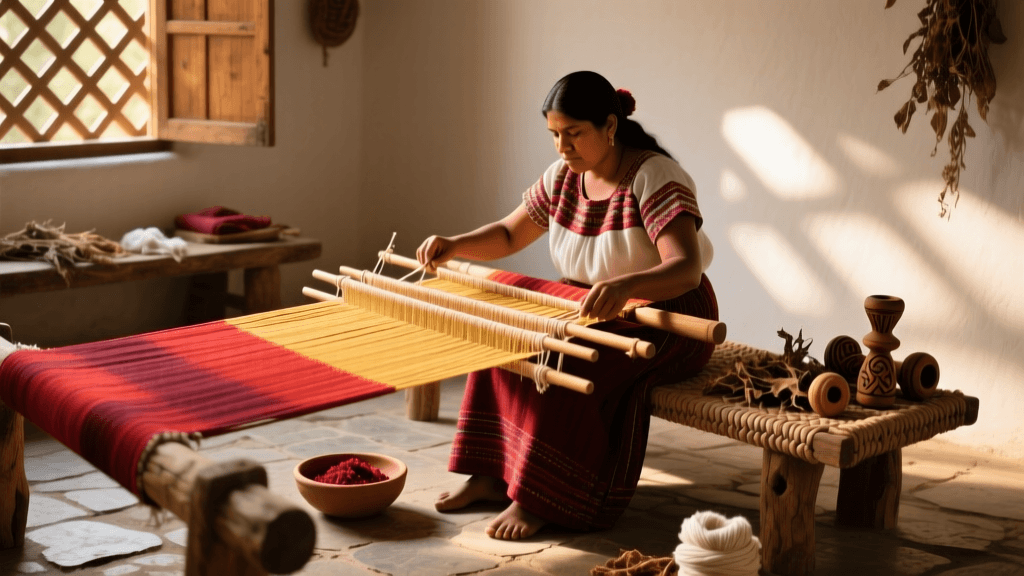
The backstrap loom is a marvel of indigenous engineering. Unlike rigid floor looms, the backstrap loom uses the weaver’s own body weight to create warp tension. This intimate connection between the artisan and the textile allows for intricate brocade and supplementary weft patterns that are characteristic of Oaxacan huipiles and rebozos. As of 2026, master weavers in cooperatives from Teotitlán del Valle and Mitla continue to craft these looms from locally sourced hardwoods and hand-spun cotton heddles.
Essential Loom Components
- Enjulio (Warp Beam): The wooden rod that anchors the far end of the warp, typically tied to a sturdy post or tree.
- Bazo (Breast Beam): The rod that connects to the backstrap, resting against the weaver’s lower back to control tension.
- Mallas (Heddles): Intricate loops of cotton thread that separate the warp threads to create the shed. In Oaxaca, these are often tied with precise mathematical sequences to enable complex pick-up patterns.
- Machete or Espada (Batten): A heavy, smooth wooden sword used to beat the weft yarn tightly into place, creating a dense, durable fabric.
- Shed Rod: A secondary wooden rod that maintains the counter-shed, allowing for rapid alternation during plain weave sections.
Learning to tension the loom requires physical endurance and practice. A weaver leans back, using their core muscles to maintain a consistent tension that must adapt slightly as the humidity and temperature fluctuate throughout the day.
Sourcing and Extracting Cochineal (Grana Cochinilla)
Cochineal is a scale insect (Dactylopius coccus) that lives parasitically on the nopal (prickly pear) cactus. When crushed, the female insects yield carminic acid, a potent pigment that produces brilliant crimsons, purples, and pinks. In 2026, Oaxaca remains the world’s premier producer of high-grade, export-quality cochineal, though recent shifts in regional rainfall patterns have required farmers to adopt advanced greenhouse nopal cultivation to stabilize yields.
Harvesting and Processing
Artisans harvest the insects using a traditional deer tail or soft brush, carefully sweeping them from the cactus paddles. The insects are then dried in the sun. The drying process is critical: sun-dried cochineal (known as grana plateada) retains a silvery sheen and yields a deeper, more complex red than heat-dried variants. To prepare the dye bath, the dried insects must be ground into a fine powder using a volcanic stone metate or a modern ceramic mortar.
The 2026 Cochineal Dyeing Protocol
Dyeing with cochineal is an exercise in organic chemistry. The final color is highly dependent on the water's pH, the mordant used, and the mineral content of the local water supply. Below is a standardized, actionable protocol for dyeing 100 grams of 100% natural wool or cotton yarn using Oaxacan cochineal in a modern studio setting.
Step 1: Scouring and Mordanting
Natural fibers must be completely free of oils and lanolin to accept the dye. Wash the yarn in a neutral pH detergent. For protein fibers (wool, silk), use a 15% Alum (potassium aluminum sulfate) mordant bath. Dissolve 15 grams of alum in warm water, add the wet yarn, and simmer at 80°C (176°F) for 45 minutes. Let the yarn cool in the bath overnight for maximum colorfastness.
Step 2: Preparing the Dye Bath
For a deep, saturated crimson, use a 20% ratio of cochineal to the weight of the fiber (WOF). Grind 20 grams of dried cochineal into a fine powder. Place the powder in a stainless steel or enamel pot (avoid reactive metals like copper or iron, which will alter the color unexpectedly) with 3 liters of distilled or filtered water. Bring to a gentle simmer for 30 minutes to extract the carminic acid.
Step 3: pH Shifting and Dyeing
The magic of cochineal lies in its pH sensitivity.
- For Bright Scarlet: Add the juice of two fresh limes or a teaspoon of citric acid to the pot.
- For Deep Purple/Burgundy: Add a tablespoon of wood ash water or a pinch of baking soda to raise the alkalinity.
2026 Sourcing and Pricing Guide
As the demand for authentic, naturally dyed textiles has surged, so has the importance of buying directly from Indigenous cooperatives to ensure fair wages and combat counterfeit synthetic dyes. The Fondo Nacional para el Fomento de las Artesanías (FONART) continues to provide vital certifications for authentic Mexican artisanship in 2026, helping buyers distinguish between genuine ancestral crafts and mass-produced imitations.
| Material / Tool | Source Region | 2026 Est. Cost (USD) | Sourcing Notes |
|---|---|---|---|
| Master-Crafted Backstrap Loom Kit | Teotitlán del Valle, Oaxaca | $180 - $240 | Includes hardwood beams, cotton heddles, and bone picks. Buy direct from weaving cooperatives. |
| Dried Cochineal (Grana Plateada) | Valle de Oaxaca / Puebla | $85 per 100g | Prices have risen 12% since 2024 due to climate-controlled nopal farming requirements. |
| Hand-spun Oaxacan Wool Skeins | Sierra Norte, Oaxaca | $18 per 100g | Look for Churra sheep wool, prized for its durability and excellent dye absorption. |
| Volcanic Stone Metate | Oaxaca Central Valleys | $60 - $95 | Essential for traditional grinding; ensures no metallic contamination of the carminic acid. |
Ethical Sourcing and Cultural Preservation
The intersection of traditional Latin American garments and global fashion has historically been fraught with cultural appropriation. In 2026, organizations like Fashion Revolution Mexico are leading aggressive campaigns to protect the intellectual property of Indigenous weavers. When purchasing backstrap woven textiles or cochineal dyes, it is imperative to verify that the profits are returning to the Zapotec, Mixtec, and Nahua communities that originated these techniques.
Furthermore, the preservation of these methods is recognized globally. The intricate knowledge required to cultivate nopal, harvest cochineal, and operate the telar de cintura aligns with the principles of safeguarding intangible cultural heritage, a mission championed by UNESCO. For the contemporary textile artist, mastering these techniques is not merely about producing beautiful cloth; it is an act of deep respect, historical continuity, and active participation in the survival of Oaxacan cultural identity.
Final Tips for the Modern Weaver
If you are setting up your first backstrap loom this year, start with a narrow band (gallito) to master tensioning before attempting a full-width huipil. Keep a detailed dye journal noting your water pH, mordant percentages, and simmer times, as natural cochineal is a living pigment that reacts uniquely to every environment. By honoring the ancestral rhythms of Oaxacan textile arts, weavers in 2026 can create garments that are not only visually stunning but deeply rooted in the rich soil of the Americas.