NYC & LA Garment District Guide 2026: Sourcing Indigenous Textiles
The Intersection of Indigenous Design and Urban Supply Chains
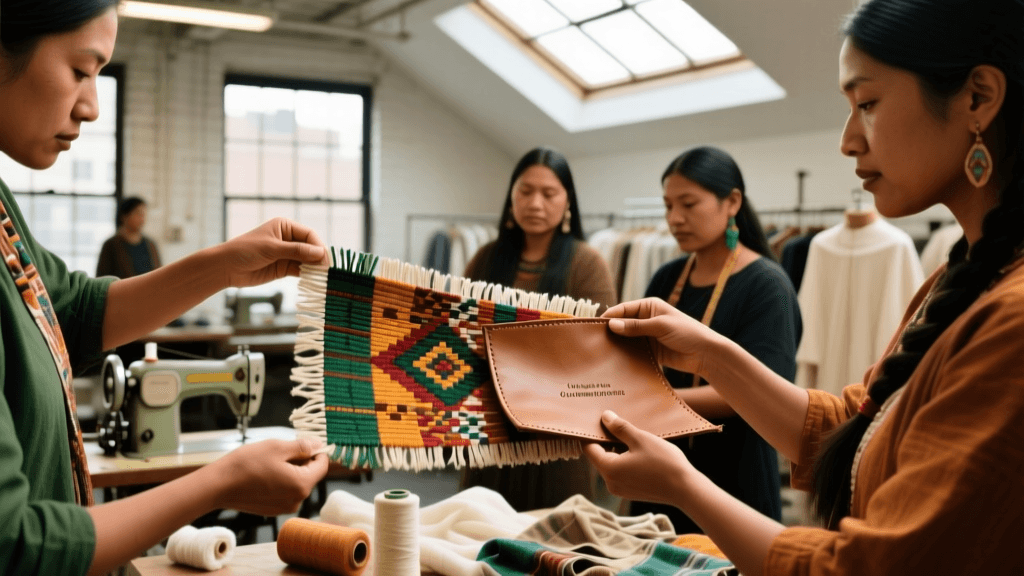
As we navigate the fashion landscape in 2026, the resurgence and modernization of traditional Indigenous garments have created a unique and powerful demand within major American fashion hubs. From the intricate beadwork of contemporary Native haute couture to the flowing silhouettes of modern ribbon skirts and the rugged durability of Indigenous-designed streetwear, the foundation of these garments relies on high-quality base materials. For Indigenous designers, artisans, and traditional garment makers, knowing how to navigate the dense, bustling supply chains of the New York City and Los Angeles garment districts is no longer just an industry perk—it is an essential business skill.
While the actual artistry—the quillwork, the beadwork, the traditional pattern drafting, and the cultural storytelling—remains firmly rooted in Indigenous communities and protected spaces, the base commodities like premium wool broadcloth, silk ribbons, Czech glass beads, and ethical leathers are often sourced through these massive urban textile hubs. In 2026, both the NYC Garment District and the LA Fashion District have undergone significant transformations, embracing digital integration, strict sustainability mandates, and a renewed focus on small-batch manufacturing. This guide provides a comprehensive, actionable roadmap for Indigenous designers and traditional apparel makers looking to source materials in these iconic American fashion hubs this year.
The NYC Garment District: Trims, Beadwork, and Bespoke Foundations
Spanning roughly from 34th Street to 42nd Street between Sixth and Ninth Avenues, the Manhattan Garment District remains the undisputed epicenter for high-end trims, specialized embellishments, and heritage textiles in North America. For Indigenous designers creating ceremonial regalia, powwow dance outfits, or contemporary traditional wear, the NYC district offers an unparalleled density of sourcing options.
Sourcing Ribbons, Beads, and Broadcloth
The modern ribbon skirt movement has exploded in popularity, and sourcing high-quality, colorfast silk and polyester ribbons is a primary objective for many designers visiting the district in 2026. Stores like M&J Trimming and Spandex House have expanded their inventory to include biodegradable and recycled ribbon options, catering to the eco-conscious demands of modern Indigenous creators. When sourcing glass beads for intricate floral or geometric beadwork, specialized importers in the district offer bulk pricing on Czech glass seed beads (sizes 11/0 and 15/0) and metallic finishes that are crucial for high-contrast regalia.
For traditional leggings, skirts, and capotes, wool broadcloth and melton wool are essential. In 2026, premium heavy-weight wool broadcloth sourced from specialized NYC importers averages $40 to $65 per yard. While this is a premium price point, the durability and drape of these heritage textiles are unmatched. Designers should head to the western edges of the district (near Ninth Avenue) where legacy fabric importers maintain showrooms dedicated to heavy wools and heritage trade cloth equivalents.
The 2026 Digital Showroom Experience
One of the most significant shifts in the NYC Garment District this year is the widespread adoption of the Garment District Alliance's digital navigation protocols. Many wholesale showrooms now operate on an appointment-only basis, requiring designers to book slots via district-specific B2B apps. Independent Indigenous artisans should register for small-business credentials well in advance of their sourcing trips to bypass the strict wholesale minimums that traditionally locked out independent creators.
The Los Angeles Fashion District: Leather, Denim, and Sustainable Innovations
While NYC excels in trims and fine tailoring, the Los Angeles Fashion District—centered around Maple Avenue and 9th Street—is the premier destination for heavyweight textiles, denim, canvas, and leather alternatives. For Indigenous designers focusing on everyday traditional wear, workwear, and contemporary Native streetwear, LA offers a distinctly different, highly innovative sourcing environment.
Ethical Leathers and Heavyweight Canvas
Traditional hide preparation is a sacred and time-intensive practice within many Indigenous communities. However, for commercial lines of Indigenous-designed apparel that require uniform leather or vegan alternatives, LA's district is a goldmine. In 2026, driven by California's aggressive environmental regulations, the district has seen a massive influx of next-generation bio-leathers made from mycelium (mushroom root structures) and cactus. These materials offer the breathability and durability of traditional buckskin but can be sourced in consistent, large-format rolls.
Furthermore, the heavy canvas and denim suppliers in LA are currently leading the nation in waterless dyeing technologies. Indigenous designers looking to incorporate indigo or deep earth tones into their collections can find deadstock and sustainably dyed denim that aligns with the traditional Indigenous ethos of environmental stewardship and minimal waste.
Navigating the 2026 California Textile Circularity Act
A critical factor for any designer sourcing in LA this year is compliance with the state's 2026 Textile Circularity Act. This legislation has forced many wholesalers to categorize and price 'deadstock' (leftover fabric from previous production runs) more systematically. Indigenous eco-designers can leverage this by purchasing high-quality deadstock cottons and linens at a 30% to 40% discount compared to virgin textiles. The Los Angeles Fashion District Business Improvement District has set up centralized deadstock exchange hubs on 12th Street, making it easier for small-batch designers to find sustainable materials without committing to thousands of yards.
Material Comparison: NYC vs. LA for Traditional Garment Makers
Choosing between the East and West Coast hubs depends entirely on the specific requirements of your collection. Below is a structured comparison to help you plan your 2026 sourcing itinerary.
| Feature | NYC Garment District | LA Fashion District |
|---|---|---|
| Primary Specialty | High-end trims, beadwork, silk ribbons, bespoke tailoring | Denim, bio-leathers, heavy canvas, sustainable knits |
| Best For | Ceremonial regalia embellishments, ribbon skirts, fine suiting | Indigenous streetwear, everyday traditional wear, leatherwork |
| 2026 Sourcing Trend | Biodegradable sequins, recycled glass beads, heritage wools | Mycelium leathers, waterless indigo dyeing, deadstock cottons |
| Pricing (Base Materials) | Premium ($40-$65/yard for heritage wools) | Moderate to High ($15-$30/yard for heavy canvas/denim) |
| Minimum Order Qty | Low (Retail-friendly shops coexist with wholesale) | High (Wholesale focused, but deadstock hubs allow small cuts) |
Practical Guide to Navigating the Hubs in 2026
Sourcing in these massive districts can be overwhelming. To maximize your time and budget, adhere to these actionable strategies:
- Timing is Everything: In both NYC and LA, the optimal sourcing window is Tuesday through Thursday, between 10:00 AM and 3:00 PM. Mondays are often reserved for inventory and shipping, while Fridays see early closures and crowded aisles.
- Bring Physical and Digital Mood Boards: Showroom representatives in 2026 expect a high level of preparation. Bring physical fabric swatches if you are trying to match a specific traditional trade cloth color, but also have digital tech packs ready on a tablet to prove your production viability.
- Calculate Exact Yardage: Due to global supply chain recalibrations in 2026, many importers no longer offer 'cut-to-order' services for less than 15 yards. Know your exact marker efficiencies before walking into a wholesale showroom.
- Leverage Small-Batch Incubators: Both cities now feature publicly funded fashion incubators that offer independent designers access to wholesale showrooms that would otherwise ignore small orders. Look into the Native American Fashion Council's regional partnerships for sponsored sourcing days.
Ethical Sourcing and Cultural Protection
When sourcing materials for Indigenous apparel, it is vital to maintain the distinction between purchasing base commodities and creating protected cultural art. The Indian Arts and Crafts Board strictly enforces regulations ensuring that items marketed as 'Native American made' are genuinely created by enrolled members of recognized tribes. Sourcing plain broadcloth, glass beads, or silk ribbons from the NYC or LA garment districts does not violate these principles; these are global commodities. The cultural integrity and legal protection apply to the transformative art—the beadwork, the quilting, the appliqué, and the traditional pattern drafting—that the Indigenous artisan applies to these base materials.
By utilizing the vast resources of the NYC and LA garment districts, Indigenous designers can secure the highest quality foundational materials available in 2026, ensuring that their finished garments are not only culturally resonant but also structurally enduring and commercially competitive. Whether you are hunting for the perfect shade of vermilion silk ribbon in Manhattan or sourcing next-generation bio-buckskin in Los Angeles, these American fashion hubs remain indispensable allies in the ongoing evolution of Indigenous apparel.