2026 Norwegian Bunad Silver & Embroidery Modern Styling Guide
The 2026 Renaissance of European Heritage Craft
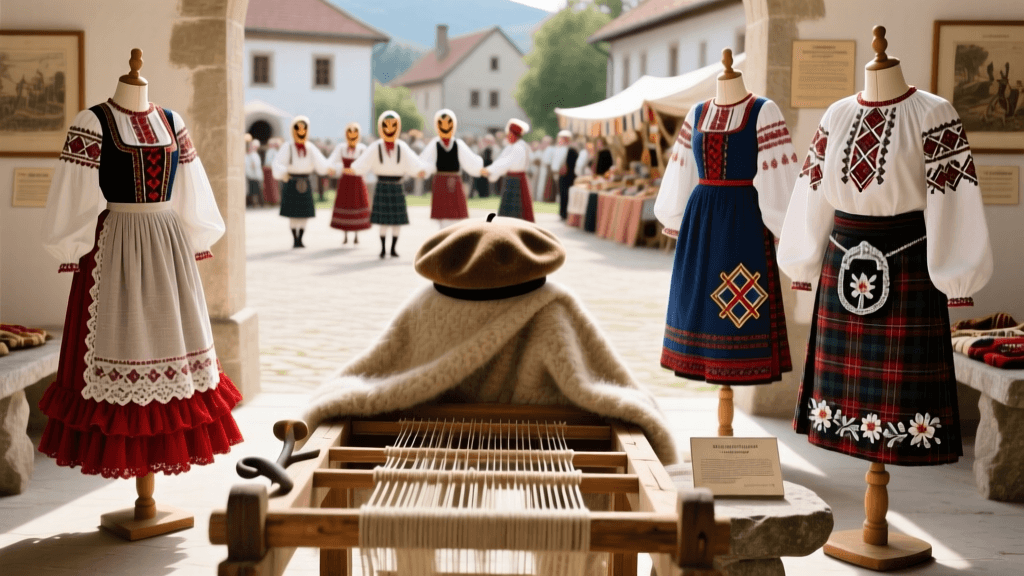
The landscape of European folk dress is undergoing a profound transformation in 2026. No longer confined to museum archives, glass display cases, or annual national day celebrations, traditional garments are experiencing a vibrant, contemporary revival. At the forefront of this movement is the integration of Norwegian heritage techniques—specifically Bunadsølv (traditional Bunad silver) and Hardanger embroidery—into modern, sustainable wardrobes. As the global fashion industry pivots heavily toward slow fashion and artisanal provenance, European folk dress offers a masterclass in longevity, craftsmanship, and cultural storytelling.
For the modern sartorialist, styling these heritage elements is not about wearing a costume; it is about curating a dialogue between the past and the present. According to the frameworks established by UNESCO Intangible Cultural Heritage, preserving traditional craftsmanship in contemporary contexts is vital for cultural continuity. In 2026, we see this manifest in the pairing of centuries-old silversmithing techniques with minimalist modern tailoring, and the adaptation of geometric whitework embroidery onto contemporary silhouettes. This guide will provide you with actionable, highly specific strategies to weave Norwegian folk traditions into your everyday 2026 aesthetic.
Bunadsølv: Styling Traditional Silver in 2026
The silver jewelry worn with the Norwegian Bunad, known collectively as Bunadsølv, is perhaps the most striking element of the folk dress tradition. Historically, these pieces served as a display of wealth, a talisman against dark spirits, and a functional fastening system for heavy wool and linen garments. In 2026, contemporary silversmiths in Oslo and Bergen are reviving these techniques using ethically sourced, recycled sterling silver, aligning ancient craft with modern environmental standards.
The Sølje Brooch
The Sølje is the iconic sun-brooch characterized by its central dome and radiating silver droplets or spoons. Traditionally worn at the collarbone to fasten the linen undergarment (serk), the Sølje has become a statement piece in 2026 contemporary styling. Rather than pinning it to a traditional high-necked folk blouse, modern stylists are utilizing the Sølje as an asymmetric lapel pin on oversized, unstructured linen blazers. The contrast between the intricate, oxidized filigree of the silver and the relaxed, matte texture of 2026 spring-weight linen creates a striking visual tension.
Hekter and Functional Clasps
Traditional Hekter (clasps) were used to secure the heavy wool skirts and bodices of the Bunad. In 2026, these ornate, interlocking silver hooks are being repurposed as functional hardware on modern knitwear. Artisans are designing modular clasp systems that allow wearers to secure open-front cashmere cardigans or wrap skirts without the need for modern buttons or zippers. A hand-forged sterling silver Sølje or Hekter set from a contemporary Norwegian artisan in 2026 typically ranges from €350 to €850, representing a significant but worthwhile investment in wearable heirloom art.
Hardanger Embroidery: Geometric Whitework for Modern Silhouettes
Originating in the Hardanger region of western Norway, Hardanger embroidery (or Hvitsøm) is a meticulous form of whitework that combines counted-thread embroidery with cutwork and drawn thread techniques. The result is a stunning, lace-like geometric pattern that is both structural and delicate. As documented in the Victoria and Albert Museum textile archives, the structural integrity of historical cutwork relies on precise tension and high-quality, long-staple fibers.
Adapting Cutwork for 2026 Fashion
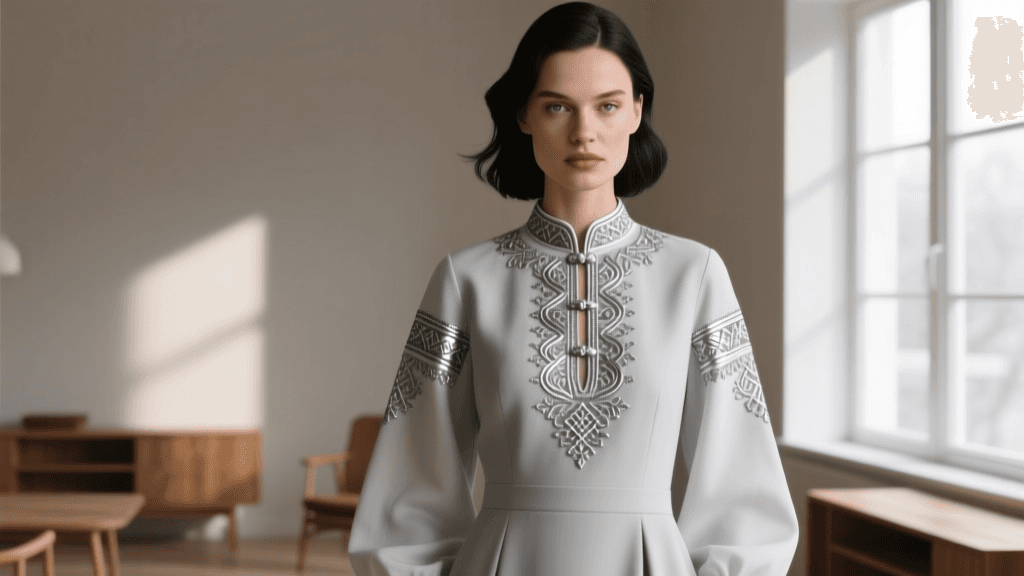
In 2026, the rigid, symmetrical collars and cuffs of traditional Hardanger are being deconstructed. Contemporary textile artists are placing geometric cutwork panels along the side seams of tailored trousers, inserting them as yokes on relaxed-fit poplin shirts, and using them as sheer, structural overlays on evening wear. The key to modernizing Hardanger is scale and placement. While traditional Bunad blouses feature dense, small-scale motifs at the neckline, 2026 styling favors large-scale, magnified Kloster blocks (the satin stitch blocks that frame the cut areas) placed unexpectedly on the back of a garment or trailing down a sleeve.
The Sustainable Appeal of Drawn Thread Work
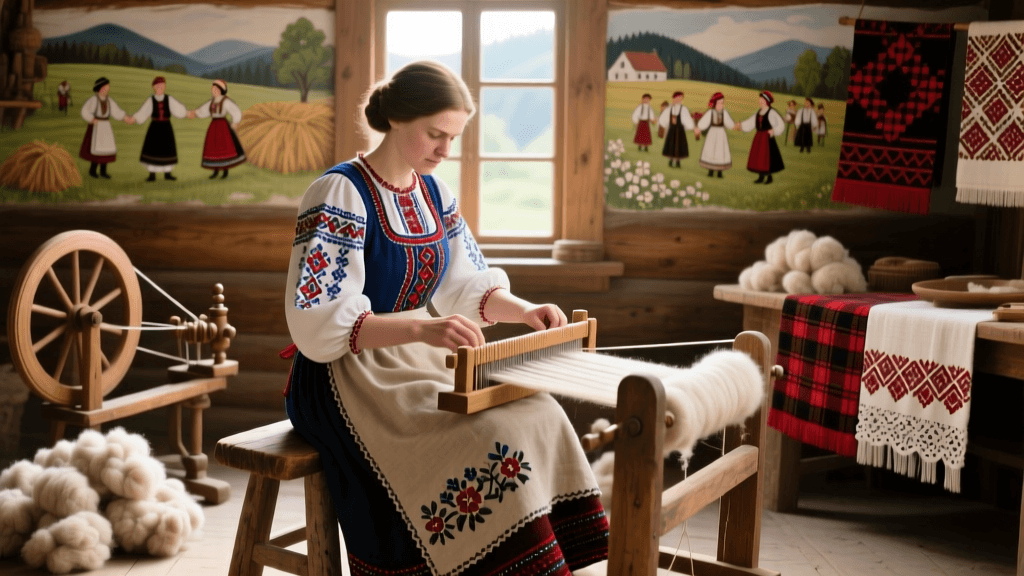
Drawn thread work, a foundational element of Hardanger, involves withdrawing warp or weft threads from the fabric and binding the remaining threads to create open, lace-like grids. This technique is inherently sustainable, as it requires no additional materials—only the manipulation of the base cloth. In an era where 2026 consumers are hyper-aware of material waste, the zero-waste nature of traditional drawn thread work makes it a highly sought-after embellishment in luxury, eco-conscious fashion houses across Scandinavia.
The 2026 Heritage Integration Matrix
To successfully blend European folk dress elements with a modern wardrobe, one must understand the interplay of texture, weight, and context. Below is a practical matrix for styling traditional Norwegian pieces in 2026.
| Heritage Element | Traditional Context | 2026 Contemporary Pairing | Estimated Cost (2026) |
|---|---|---|---|
| Sølje Brooch | Fastening the linen serk at the collarbone | Asymmetric lapel pin on an unstructured, oversized linen blazer | €350 - €600 |
| Hardanger Collar | Detachable whitework collar for the Bunad blouse | Layered over a fine-gauge, charcoal turtleneck sweater | €180 - €300 |
| Silver Belt Buckle | Securing the heavy woven wool stakk (skirt) | Integrated into a wide, vegetable-tanned leather obi belt | €250 - €450 |
| Rosepath Woven Trim | Hemming and edging on wool skirts and bodices | Applied as a decorative stripe down the outseam of tailored trousers | €40 - €90 per meter |
Four Golden Rules for Contemporary Folk Styling
Integrating folk dress into daily wear requires a careful eye to avoid crossing the line into costume. Follow these four rules to ensure your 2026 styling remains sophisticated and culturally respectful.
1. The Rule of One Heritage Anchor
When styling traditional pieces, limit yourself to one major heritage anchor per outfit. If you are wearing an intricate, oxidized silver Sølje brooch, keep the rest of your jewelry minimal and modern. Let the folk element command attention. Pairing multiple traditional pieces from different regions or contexts can dilute the visual impact and appear historically confused.
2. Texture Contrast is Paramount
Traditional Norwegian silver is heavily textured, featuring filigree, granulation, and intentional oxidation to highlight the relief work. To make this silver pop, pair it with smooth, matte, or subtly lustrous modern fabrics. A highly textured tweed or heavy cable knit will compete with the silver. Instead, opt for 2026 staple fabrics like cupro, heavy silk twill, or crisp organic cotton poplin.
3. Grounding with Earth Tones
The traditional color palette of the Norwegian Bunad is derived from natural dyes: deep woad blues, madder reds, moss greens, and undyed sheep wools. When incorporating Hardanger whitework or bright silver, ground your outfit in these historical, earthy tones. A deep, muted forest green or a rich, charcoal navy provides a historically resonant backdrop that makes white embroidery and bright silver visually striking.
4. Respect the Provenance
As highlighted by the Norwegian Museum of Cultural History, folk dress is deeply tied to regional identity. While contemporary styling allows for creative interpretation, it is important to understand the origin of the pieces you wear. Avoid mixing specific regional silver (e.g., a distinct Telemark design) with the embroidery patterns of an entirely different region (e.g., Hardanger) if you are aiming for a cohesive, knowledgeable aesthetic.
Ethical Sourcing and Artisan Support in 2026
The revival of European folk dress in 2026 is inextricably linked to the survival of specialized artisan guilds. When sourcing Bunad silver or Hardanger embroidery, it is crucial to support certified craftspeople rather than mass-produced imitations. Authentic Norwegian silver will bear the official Norwegian control mark (the St. Andrew's cross with a crown) alongside the maker's mark. In 2026, many independent silversmiths also provide digital passports for their pieces, detailing the exact origin of the recycled silver and the hours of labor invested in the filigree.
For Hardanger embroidery, seek out cooperatives that employ traditional hand-stitchers. While machine-made imitations flood the fast-fashion market, they lack the structural integrity of true cutwork. Hand-stitched Kloster blocks have a distinct, raised tension that machine embroidery cannot replicate. Investing in authentic, handcrafted pieces not only elevates your personal style but also provides direct financial support to the rural artisans keeping these ancient European traditions alive.
Caring for Your Heritage Textiles and Silver
Proper maintenance is essential for preserving these investments. Bunad silver should never be cleaned with harsh chemical dips, which strip the intentional oxidation that gives the filigree its depth. Instead, use a soft, untreated polishing cloth to gently buff only the raised surfaces, leaving the dark patina in the recesses. Hardanger embroidery, particularly when integrated into modern garments, should be hand-washed in cool water with a pH-neutral detergent. Never wring or twist cutwork fabrics; instead, roll them in a clean towel to press out excess water and lay them flat to dry, reshaping the geometric grids while damp.
By embracing the meticulous craftsmanship of Norwegian Bunad silver and Hardanger embroidery, you participate in a living tradition. The 2026 approach to European folk dress is not about freezing history in time, but about carrying its beauty, utility, and soul forward into the modern wardrobe.