Kimono Textile Trade Routes: Historical Imports in 2026

The Global Canvas: Tracing Kimono Textile Trade Routes
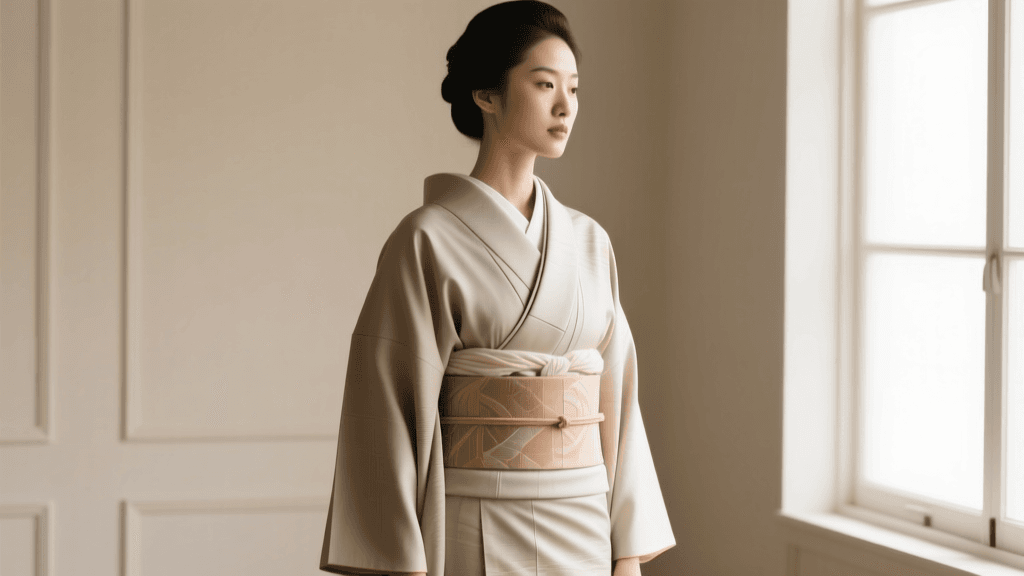
The kimono is globally recognized as a quintessential symbol of Japanese culture, yet its very fabric tells a story of expansive global trade, cross-cultural exchange, and historical imports that span centuries. Far from being developed in isolation, the evolution of traditional Japanese garments was deeply influenced by the Silk Road and later maritime trade networks. As we navigate the heritage textile landscape in 2026, a profound renaissance in historical weaving and authentic dyeing has brought these ancient trade routes back into the spotlight. Artisans, historians, and collectors are now looking backward to move forward, tracing the origins of imported silks, metallic threads, and rare dyestuffs that once defined the wardrobes of the Japanese elite.
According to the UNESCO Silk Roads Programme, the exchange of textiles was one of the most significant drivers of cultural diplomacy and economic integration across Eurasia. Japan, situated at the eastern terminus of these vast networks, absorbed continental techniques and materials, eventually adapting them into uniquely Japanese aesthetic traditions. Today, understanding these historical imports is essential for anyone involved in the preservation, collection, or creation of authentic kimono textiles.
The Silk Road's Eastern Terminus and Nishijin-ori
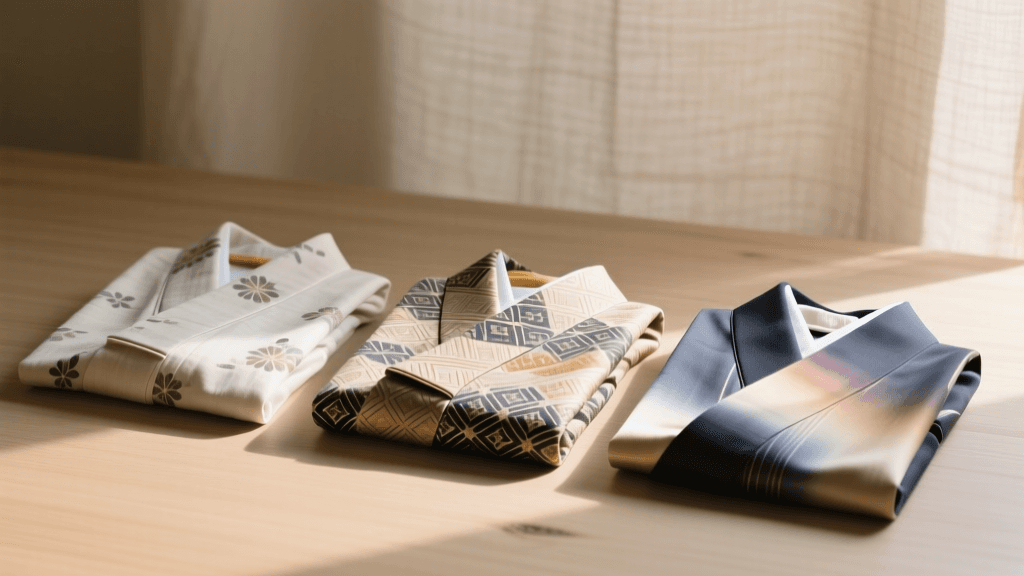
The foundation of luxury kimono textiles can be traced back to the silk trade that flowed from China through the Korean peninsula and across the Sea of Japan. During the Nara and Heian periods, raw silk and advanced weaving technologies were imported heavily from the Asian continent. These imports laid the groundwork for what would eventually become Nishijin-ori, the prestigious brocade weaving tradition centered in Kyoto.
Historical records indicate that Chinese brocades, known as Kara-ori, were highly prized by the Japanese imperial court. These textiles featured complex floating weft patterns and metallic threads that were entirely dependent on imported materials and continental expertise. As detailed by the Metropolitan Museum of Art's Heilbrunn Timeline of Art History, the transmission of silk-weaving technology across Asia allowed Japanese weavers to eventually establish domestic production centers. However, the reliance on imported raw silk from China remained a constant for centuries, as domestic sericulture could not meet the immense demand for high-quality, fine-denier threads required for luxury brocades.
In 2026, the Nishijin weaving district is experiencing a massive revival of these historical techniques. Master weavers are utilizing AI-driven spectrophotometry to analyze surviving 16th-century Kara-ori fragments, allowing them to perfectly replicate the tension, thread count, and imported metallic leaf applications used during the Momoyama period.
The Nanban Trade: European Influences on Japanese Garments
While the Silk Road provided the foundation for Japanese silk weaving, the 16th and 17th centuries introduced a radically different vector of textile imports: the Nanban (Southern Barbarian) trade. Portuguese and Dutch trading ships arrived on Japanese shores, bringing with them European wool, velvet, and new dyeing techniques that profoundly impacted Japanese fashion, particularly in the realm of menswear and samurai attire.
The most prominent example of this cross-cultural textile exchange is the jinbaori, a sleeveless surcoat worn over armor. Samurai elites eagerly sought out imported European velvets, woolens, and brocades to craft jinbaori that projected wealth, global awareness, and martial prestige. The vibrant reds of imported wool and the deep, light-absorbing textures of European velvet were entirely novel to Japanese artisans. Furthermore, the Portuguese introduced new embroidery techniques and the use of imported gold and silver lace, which were quickly integrated into Japanese textile arts.
The Dutch East India Company (VOC) later took over this maritime trade, establishing a monopoly on the island of Dejima. Through this narrow window, Japanese merchants continued to import Indian chintz, European broadcloth, and Southeast Asian dyestuffs well into the Edo period. These maritime imports ensured that the kimono and its accessories remained a dynamic canvas of global commerce.
Crucial Historical Imports: Dyes and Dyestuffs
Beyond the physical threads and woven fabrics, the color palette of the traditional kimono was heavily reliant on imported dyestuffs. While Japan eventually cultivated domestic sources for many of these colors, their origins and initial genetic stock were deeply tied to regional trade routes.
- Benibana (Safflower): Originally imported from the Middle East and Central Asia via the Silk Road through China, safflower was the primary source of vibrant reds and pinks in early Japanese textiles. It was a highly lucrative trade commodity before domestic cultivation in regions like Yamagata became established.
- Murasaki (Gromwell Root): The source of the deepest, most prestigious purples in Japanese history. While related species grew wild, the refined cultivation techniques and specific root varieties were influenced by continental botanical exchanges.
- Indigo (Ai): Though Japan eventually became famous for its deep 'Japan Blue' (Aizome), the initial cultivation methods and specific strains of Polygonum tinctorium were heavily influenced by agricultural imports from Southeast Asia and China.
The mastery of these imported dyes allowed Japanese dyers to develop the sophisticated Yuzen and Shibori techniques that define the kimono aesthetic today. The ability to layer and resist these imported pigments created a visual language that was distinctly Japanese, yet globally sourced.
The 2026 Heritage Revival: Sourcing Authentic Historical Materials
As of 2026, the demand for 'heritage authenticity' has transformed how traditional kimono textiles are sourced and manufactured. A growing movement of artisans, supported by cultural preservation grants, is actively tracing historical trade routes to source materials that perfectly match historical imports. This is not merely about nostalgia; it is about achieving the precise structural integrity and light-refraction qualities that modern synthetic or mass-produced materials cannot replicate.
For example, to replicate the exact micron-count and tensile strength of 17th-century Silk Road imports, Kyoto artisans have partnered with heritage sericulture farms in Uzbekistan and specific mountainous regions of China. These farms utilize traditional mulberry cultivation and hand-reeling methods that have been lost in industrialized silk production. Similarly, dyers are importing raw safflower from historical growing regions in Central Asia to achieve the exact pH and pigment density required for authentic Momoyama-era reds.
Comparison: Historical Trade Routes vs. 2026 Heritage Sourcing
| Material | Historical Origin (16th-19th Century) | 2026 Heritage Sourcing Method |
|---|---|---|
| Raw Silk | China (via Silk Road & maritime junks) | Uzbekistan & Japanese domestic heritage farms using hand-reeling |
| Safflower (Red Dye) | Middle East/Central Asia via China | Direct import from heritage farms in Egypt and Central Asia |
| Velvet & Wool | Portugal & Netherlands (Nanban Trade) | Specialty European mills replicating 17th-century VOC broadcloth |
| Metallic Threads | China & Korea (Gold/Silver leaf) | Domestic Kyoto artisans using traditional washi-paper and pure gold leaf |
Preserving Trade-Era Kimonos: A 2026 Guide for Collectors
For collectors and museums housing kimono textiles that feature these historical imported materials, preservation in 2026 requires highly specific environmental controls. Textiles woven with imported metallic threads or dyed with early, fugitive safflower reds are exceptionally vulnerable to environmental degradation. The Metropolitan Museum of Art's extensive research on Japanese kimono history underscores the fragility of these early cross-cultural garments.
If you are preserving historical kimono textiles featuring imported dyes or metallic threads, adhere to the following 2026 conservation standards:
- Relative Humidity (RH): Maintain strictly between 45% and 55%. Fluctuations beyond this range cause the metallic leaf on imported-style threads to crack and flake, while high humidity accelerates the degradation of protein-based silk fibers.
- Light Exposure Limits: Limit display lighting to a maximum of 50 lux. Safflower reds (benibana) are notoriously fugitive and will fade irreversibly if exposed to high-intensity light or UV radiation. Use 2026-standard UV-filtering LED enclosures.
- Storage Materials: Never store trade-era silks in standard cardboard or non-archival plastics. Use unbuffered, acid-free tissue paper and store garments flat in anoxic (oxygen-depleted) enclosures filled with argon gas to halt oxidative degradation of metallic threads.
- Pest Management: Implement integrated pest management (IPM) using pheromone traps and regular freezing protocols for new acquisitions, as historical wool imports (like those used in jinbaori) are highly susceptible to webbing clothes moths.
Conclusion
The kimono is a masterpiece of Japanese aesthetics, but its threads are inextricably woven into the fabric of global history. From the camel caravans of the Silk Road to the galleons of the Nanban trade, the historical imports that shaped Japanese textiles reflect a nation deeply engaged with the wider world. In 2026, as artisans revive these ancient trade routes to source authentic materials and collectors employ cutting-edge preservation techniques, the legacy of these global exchanges continues to thrive. Understanding the origins of these textiles not only deepens our appreciation for the kimono but also highlights the enduring power of cross-cultural exchange in the world of traditional Asian garments.